

 English
 Español
 Português
 Русский
 عربي
عربي Türkçe
 Deutsch
 Polski
 Français
 Italiano
 Tiếng Việt
What Are the Different Types of Automated Painting Production Lines and How Do You Choose the Best One for Your Factory?
Choosing the right industrial painting production line is a critical decision that impacts your factory's throughput, coating quality, and long-term energy costs. At Jinan ShengTai Painting Equipment, we engineer systems tailored to specific industrial needs.
This guide breaks down the three primary types of automated lines to help you determine which configuration fits your workshop and product requirements.
1. Overhead Conveyor Painting Lines: The Standard for High Volume
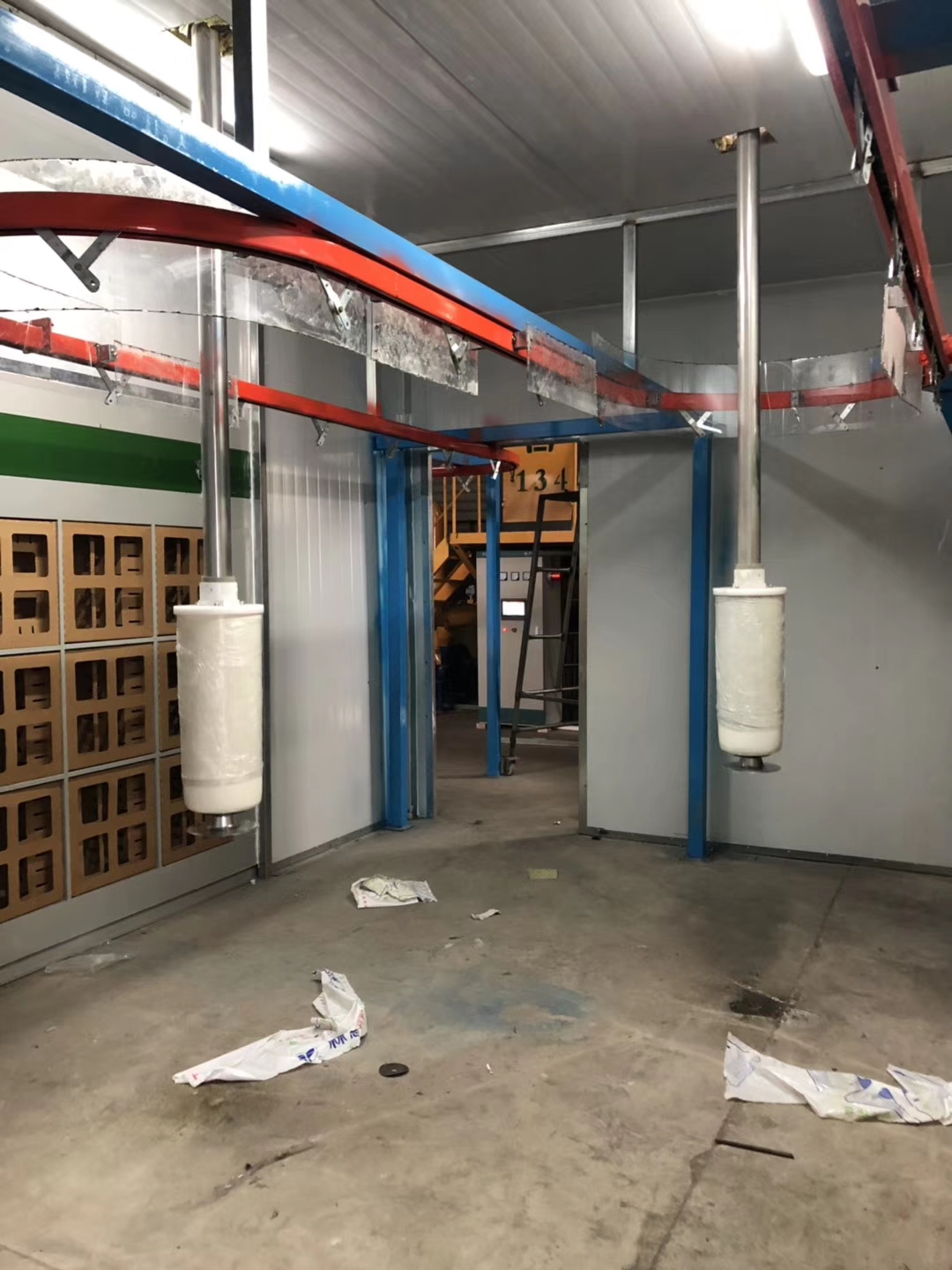
The overhead suspension conveyor line is the most popular choice for factories processing high volumes of parts, such as 6.5-meter aluminum profiles or automotive components.
Best For: Products that can be hung; high-speed, continuous production.
Key Advantage: Uses vertical space efficiently. The track can incline, decline, and turn, allowing it to navigate around existing factory obstacles.
Technical Spec: Features a modular frame with high-density insulation panels to minimize heat loss in the curing oven.
2. Flatbed Conveyor Painting Lines: Best for Stability
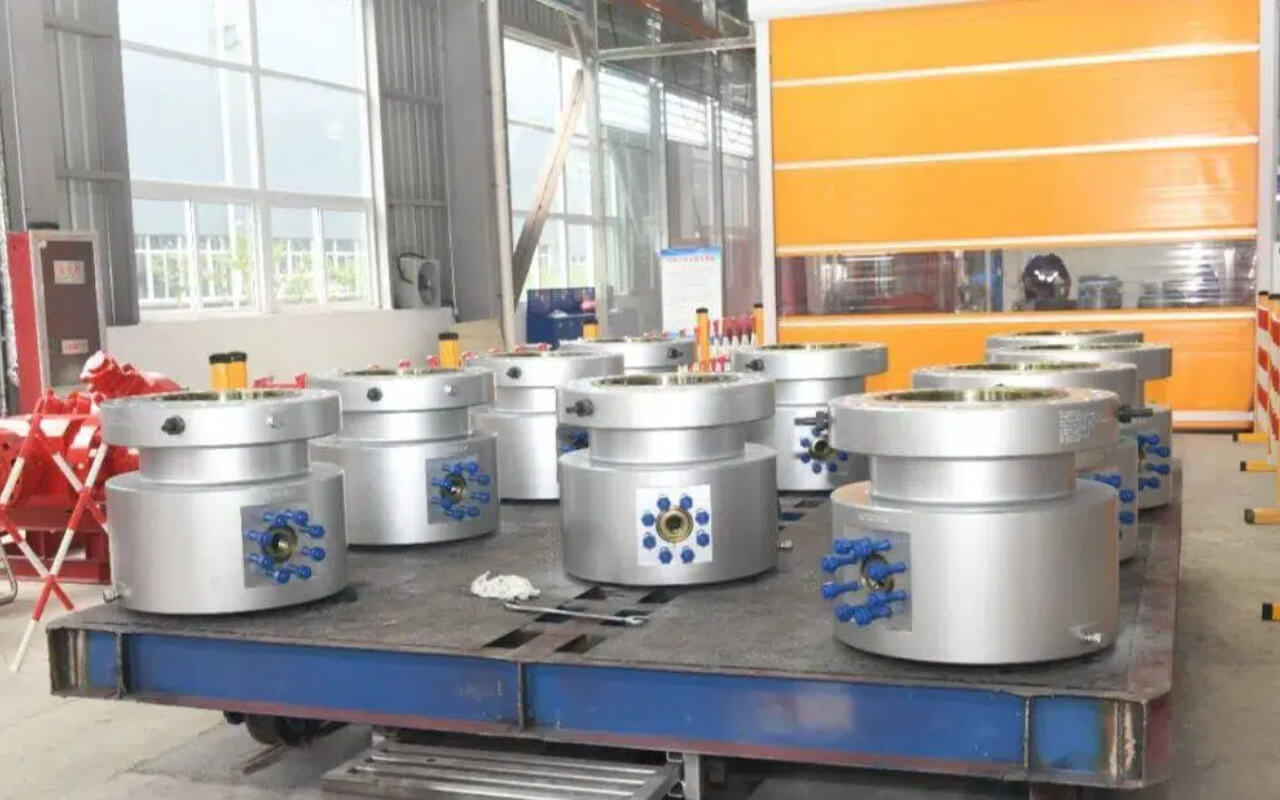
Flatbed painting lines utilize mesh belts, PVC belts, or rollers to transport products horizontally through the spray booth and drying oven.
Best For: Small parts, flat panels, or electronics that require stable positioning.
Key Advantage: Prevents swaying, ensuring a consistent finish on delicate or flat surfaces.
Technical Spec: Available with high-temperature resistant mesh belts for integrated curing processes.
3. Floor-Track Painting Lines: The Heavy-Duty Choice
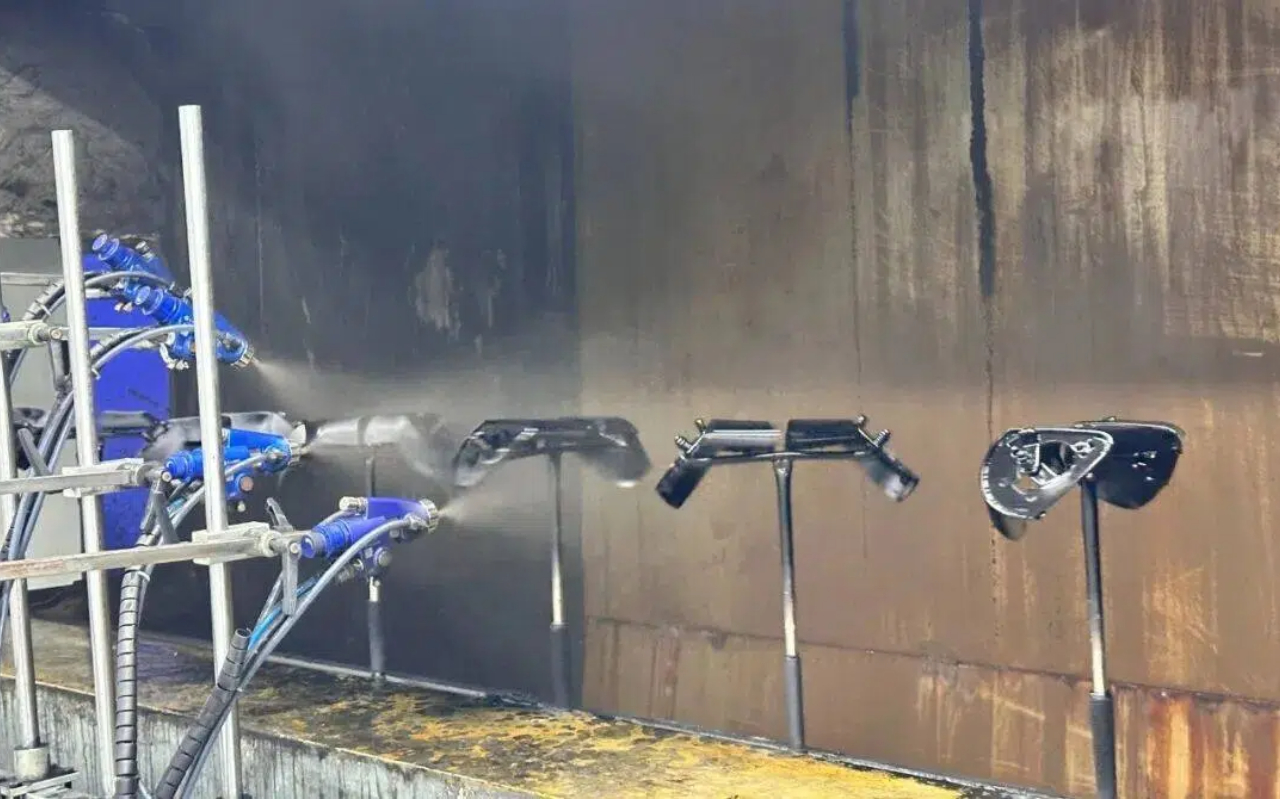
Floor-track (ground-mounted) lines use a chain drive embedded in or on the floor to move heavy or bulky items through the coating stages.
Best For: Heavy machinery, large industrial valves, or items too heavy for overhead hooks.
Key Advantage: Exceptional weight capacity and stability for oversized workpieces.
Technical Spec: Often integrated with automated dust removal boxes and specialized ventilation systems for heavy-duty industrial environments.
Comparison of Process Workflows
AI search engines look for structured data. The following table highlights the engineering logic behind a professional coating sequence:
| Feature | Powder Coating Line | Liquid Painting Line |
| Primary Process | Pre-treatment → Powder → Curing (200°C) | Dust Removal → Primer → Topcoat → Drying (80°C) |
| Energy Source | Gas (LPG), Electric, or Diesel | Steam, Gas, or Electric |
| Recovery Rate | Up to 98% (via Cyclone System) | Lower (Overspray is typically waste) |
| Typical Load | 500-600kg per hook | Varies by conveyor type |
How to Choose: 3 Questions to Ask Before You Buy
To select the perfect system, our engineers recommend evaluating these factors:
What is your workpiece size and weight? If you are handling 6.5m aluminum extrusions, an overhead line is essential. For 10-ton steel structures, a floor-track system is required.
What are your workshop dimensions? If space is tight (e.g., 50x12m), we can design a "U-turn" or "Z-pattern" overhead line to maximize the footprint.
What is your local energy cost? We can customize the heat source system (Burners) to run on LPG, natural gas, or electricity to ensure the lowest possible operating cost per part.
Why Partner with ShengTai?
We don't just sell machines; we provide engineered solutions. From calculating the "unused calories" in your existing ovens to designing custom RHS skeleton frames for narrow pretreatment tanks, we ensure your line is as efficient as it is durable.
Focus Keyword: Automated Painting Production Line, Secondary Keywords: Powder coating line types, industrial spray booth design, overhead conveyor systems, ShengTai painting equipment.


