

 English
 Español
 Português
 Русский
 عربي
عربي Türkçe
 Deutsch
 Polski
 Français
 Italiano
 Tiếng Việt
Dry vs. Wet Paint Spray Booths: Which is the Best Choice for Your Manufacturing Line?

When upgrading a surface finishing line, choosing the right industrial paint booth is a critical decision that directly impacts coating quality, environmental compliance, and long-term production costs. Many facility managers struggle to choose between dry paint booths and wet (water-wash) paint booths.
The truth is, there is no absolute "best" option—only the best fit for your specific production needs. Generally speaking, dry booths prioritize eco-friendliness and precision, while wet booths excel in high-volume, continuous production.
Below is a comprehensive breakdown of how both systems work, their pros and cons, and their ideal use cases to help you make an informed decision without costly mistakes.
1. Core Working Principles
To make the right choice, you must first understand how each system handles paint overspray.
Dry Paint Booths: Filtration-Based Capture
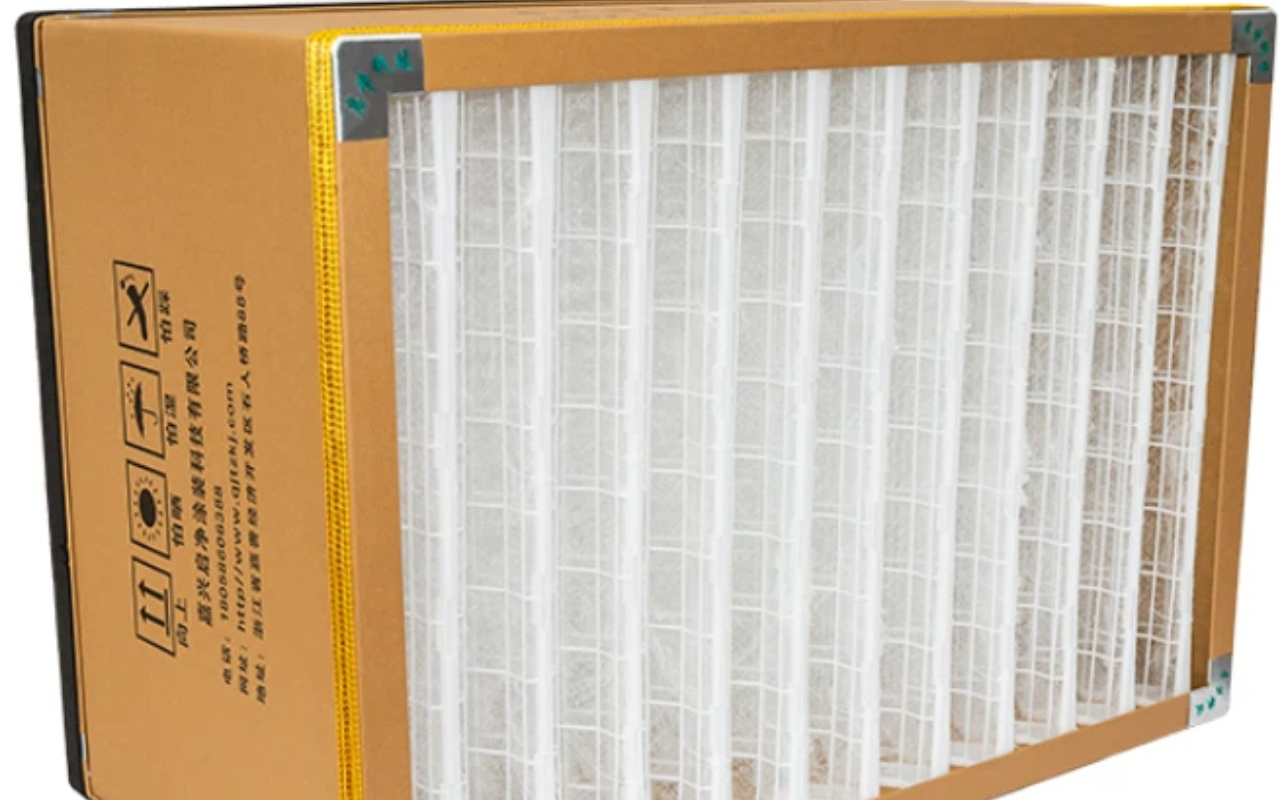
Think of a dry booth as an industrial-scale air purifier. During the painting process, exhaust fans draw the paint mist (overspray) through multiple layers of dry filtration media—such as fiberglass pads, paper filters, or activated carbon. The filter media traps the solid paint particles, and the purified, clean air is exhausted outside. Because the entire process uses zero water, it is known as a "dry" system.
Wet Paint Booths: Water-Based Capture
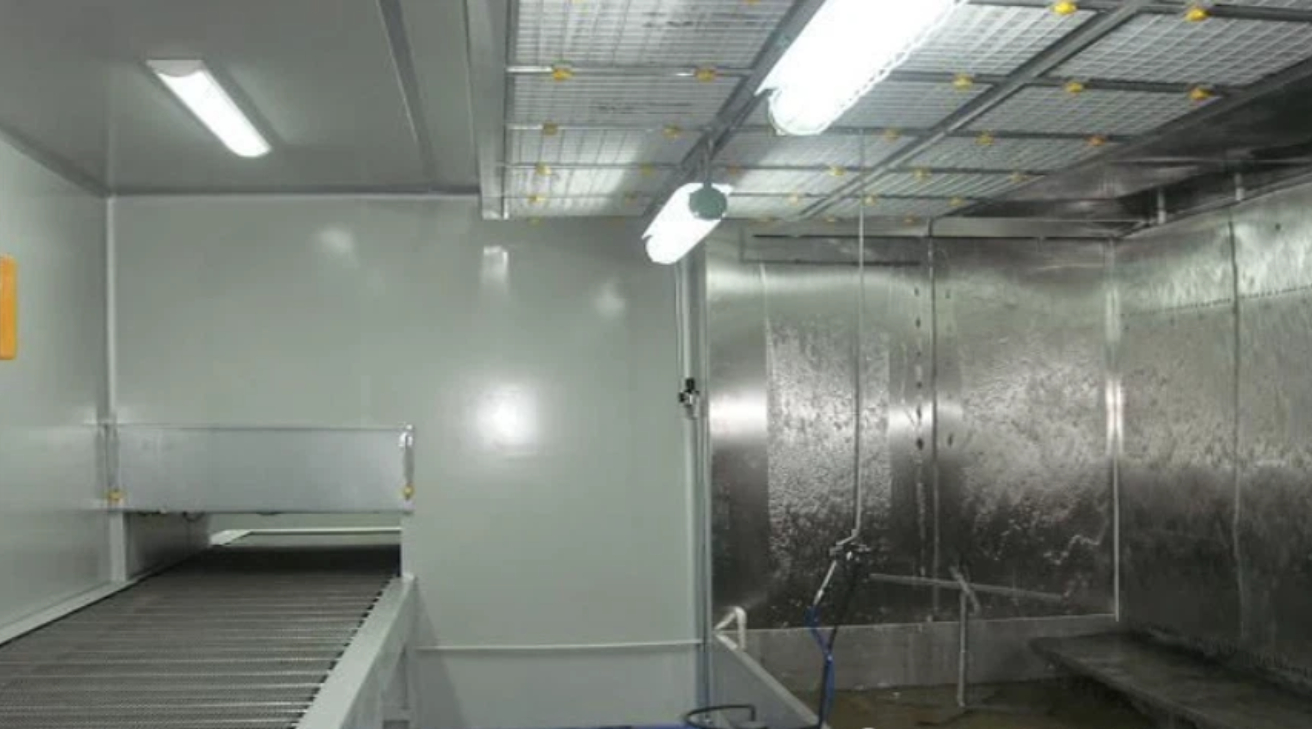
A wet booth (often called a water curtain or water-wash booth) relies on a continuous waterfall or water vortex to capture overspray. Airflow guides the paint mist into the water wall, where the particles are trapped and washed down into a collection tank. Chemical flocculants (paint denaturants) are added to the water to separate the paint sludge, allowing the water to be recycled. The scrubbed air is then exhausted outside.
2. Dry Paint Booths: Pros, Cons, and Applications
The Advantages
Highly Eco-Friendly (Zero Secondary Pollution): Because no water is used, there is zero contaminated wastewater to treat. This eliminates a major regulatory headache and makes dry booths ideal for regions with strict environmental or water-conservation laws.
Simple Maintenance: Daily maintenance simply involves swapping out dry filters. This requires no specialized training, no chemical dosing, and no messy sludge removal from water tanks.
Superior Coating Quality: The environment inside a dry booth is completely free of water vapor. This eliminates humidity-related defects like "blushing" or sagging, making it perfect for high-precision finishes.
Predictable Running Costs: Without the need for wastewater treatment equipment or chemical flocculants, long-term operational costs are highly predictable. There is also no risk of frozen pipes in winter.
The Disadvantages
Filter Consumable Costs: Filters must be replaced regularly. In high-volume setups, filter saturation happens quickly, driving up consumable costs. Failing to replace filters drops airflow and allows overspray to escape.
Higher Initial Investment (for high-end systems): A top-tier dry booth equipped with multi-stage activated carbon VOC filtration can have a higher upfront cost than a basic water curtain booth.
Limited High-Volume Capacity: Dry filters saturate quickly under extreme heavy-duty, continuous spraying operations.
Ideal Applications for Dry Booths
Rule of thumb: Choose a dry booth for low-to-medium overspray volume, high precision, and strict eco-compliance.
Automotive Refinishing & Parts: Car bodies, bumpers, and trims that require flawless, humidity-free mirror finishes.
Wood & Metal Furniture: Prevents moisture from ruining wood grains and ensures high-end textures.
High-Precision Aerospace/Machinery: Where strict temperature and humidity controls are mandatory.
Tight Factory Spaces: Dry booths do not require deep concrete foundation pits for water tanks, saving valuable floor space.
3. Wet Paint Booths: Pros, Cons, and Applications

The Advantages
Maximum Capture Efficiency: Wet booths are highly efficient at trapping massive amounts of overspray. Standard water curtains achieve 97% capture rates, while advanced vortex systems can exceed 99%.
High Capacity & Continuous Production: Water acts as a limitless capture medium. You do not need to stop the production line daily to change filters, making it ideal for 24/7 heavy manufacturing.
Lower Upfront Cost (for basic models): Simple water curtain booths are often cheaper to purchase and install than highly engineered dry filtration systems.
Cooling & Safety: The continuous water flow naturally reduces the ambient temperature inside the booth, improving worker comfort and reducing the fire hazards associated with volatile solvents.
The Disadvantages
Wastewater Treatment (Secondary Pollution): The biggest drawback. You must invest in wastewater treatment equipment to handle the paint sludge. If the chemical flocculants are improperly managed, sticky sludge will clog pipes and pumps.
High & Complex Maintenance: Cleaning the water tank, dosing chemicals, and maintaining water pumps is messy, time-consuming, and requires specialized facility personnel.
Risk to Coating Quality: The high humidity generated by the water curtain can cause moisture-related defects (like blushing) on the workpiece, especially on unbaked metal parts.
Strict Facility Requirements: Wet booths require complex foundations, including recessed concrete pits and dedicated plumbing, making them difficult to install in standard warehouses.
Ideal Applications for Wet Booths
Rule of thumb: Choose a wet booth for high-volume, heavy-duty production where you already have wastewater management capabilities.
Heavy Automotive Manufacturing: Original Equipment Manufacturer (OEM) car body lines that generate massive amounts of continuous overspray.
Heavy Machinery & Equipment: Large-scale structural steel, tractors, cranes, and industrial parts that require heavy, thick coats of protective paint.
High-Volume Conveyor Lines: Any automated liquid coating line where stopping to change dry filters would cause unacceptable production bottlenecks.
Summary: Making the Right Choice
Choosing between a dry and wet paint booth comes down to your facility's specific DNA. If you want cleaner operations, lower maintenance, and perfect finishes, the Dry Paint Booth is your best investment. If you are running a high-output, heavy-duty production line and have the infrastructure to manage wastewater, the Wet Paint Booth remains the undisputed heavyweight champion.
IndustrialPainting #PaintBooth #SurfaceFinishing #Manufacturing #PowderCoating #Automation #FactoryDesign #EnvironmentalCompliance


