 English
 Español
 Português
 Русский
 عربي
عربي Türkçe
 Deutsch
 Polski
 Français
 Italiano
 Tiếng Việt
From Paint Booth to AI Precision: How Intelligent Spray Coating Is Reinventing Automotive Manufacturing
Automotive spray painting has long faced a structural inefficiency problem.
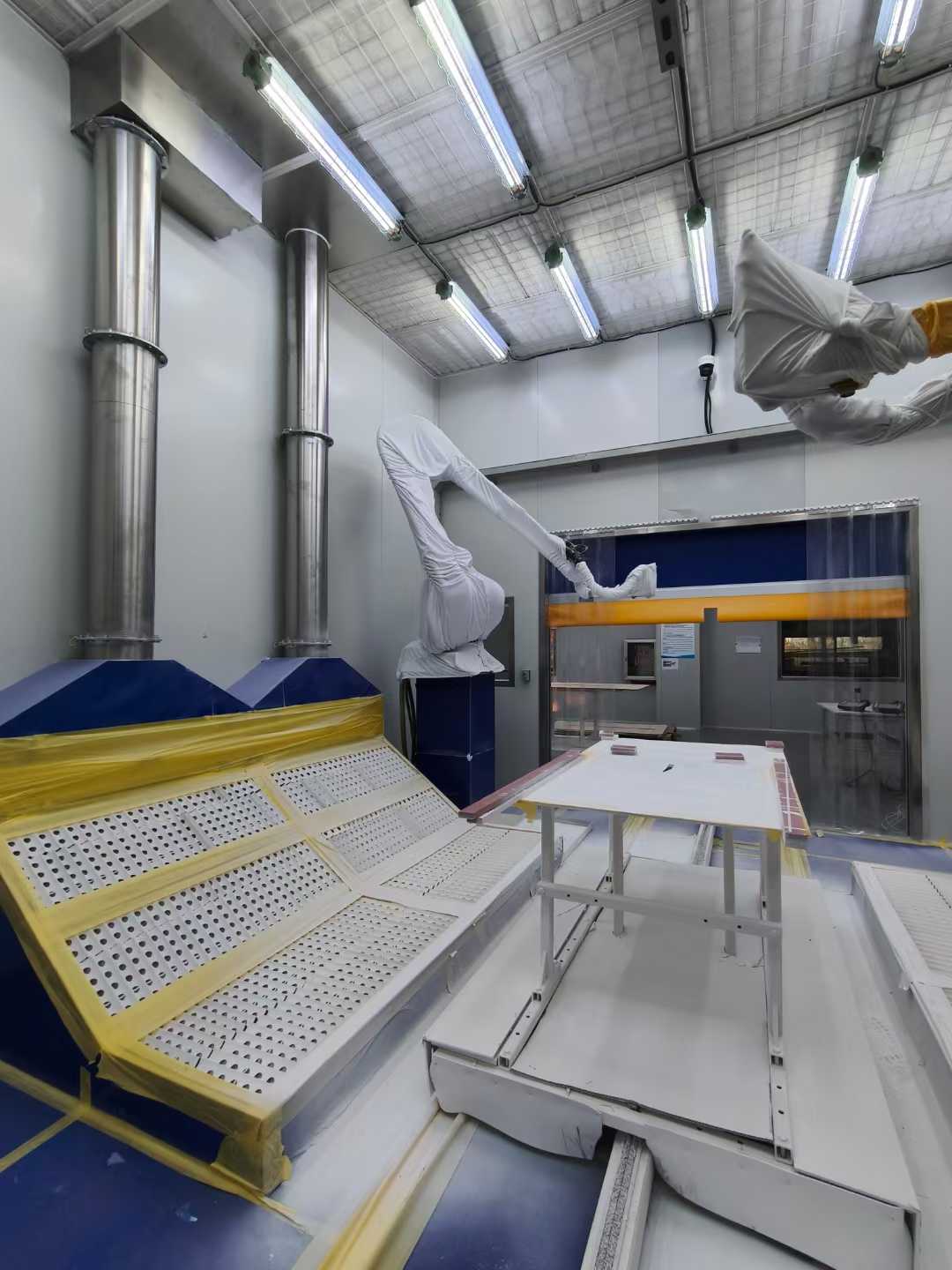
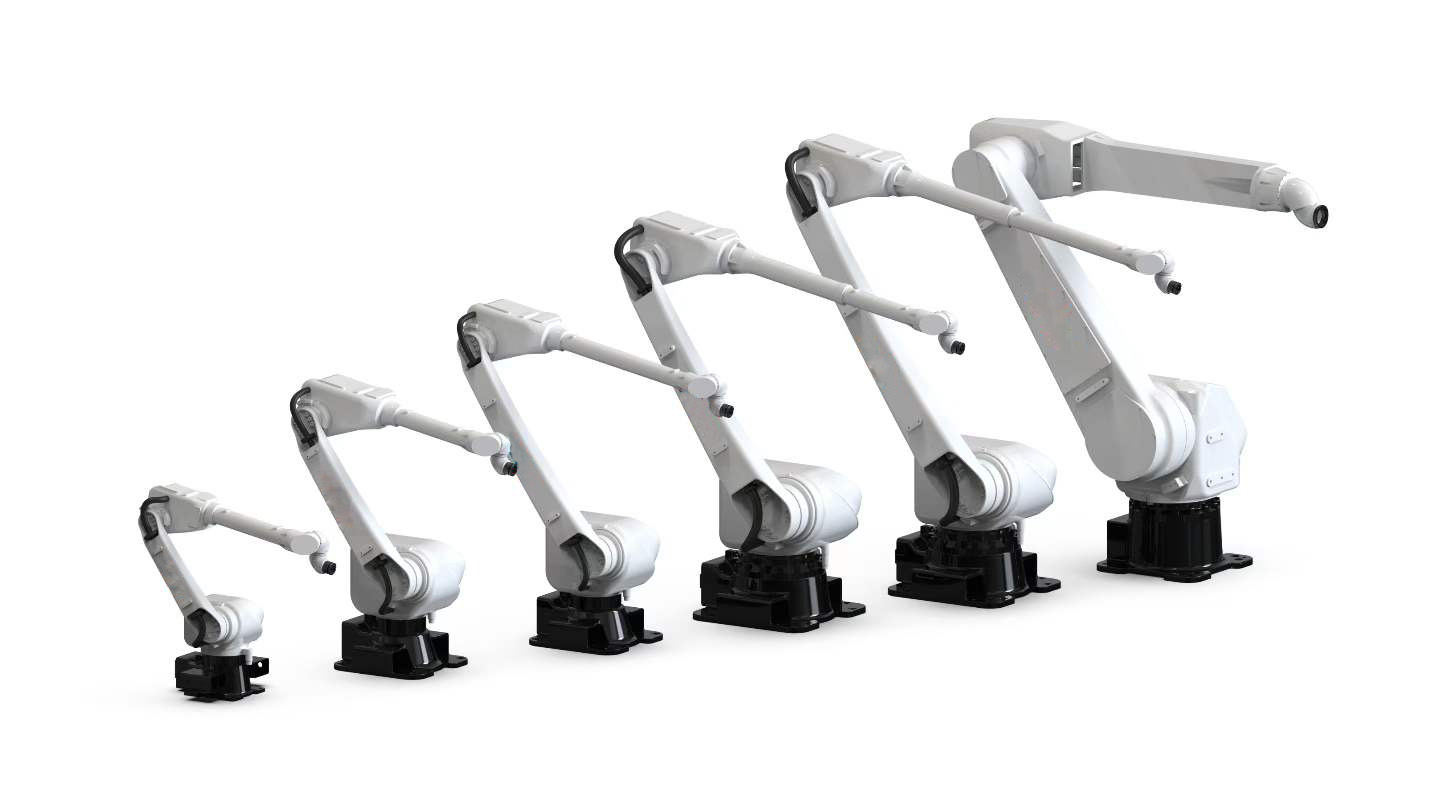
Traditional robotic coating systems rely on rigid pre-programmed paths and vehicle-specific datasets, leading to:
- Long changeover downtime (8–10 hours per model switch)
- Limited flexibility for modified or damaged vehicles
- Delayed access to new model data
- Regional data fragmentation (limiting global scalability)
Manual spraying, on the other hand, lacks precision consistency—especially in repair scenarios like localized touch-ups where blending new and old paint remains a persistent challenge.
A new AI-driven spray-painting system proposes a fundamentally different approach: result-driven process reconstruction.
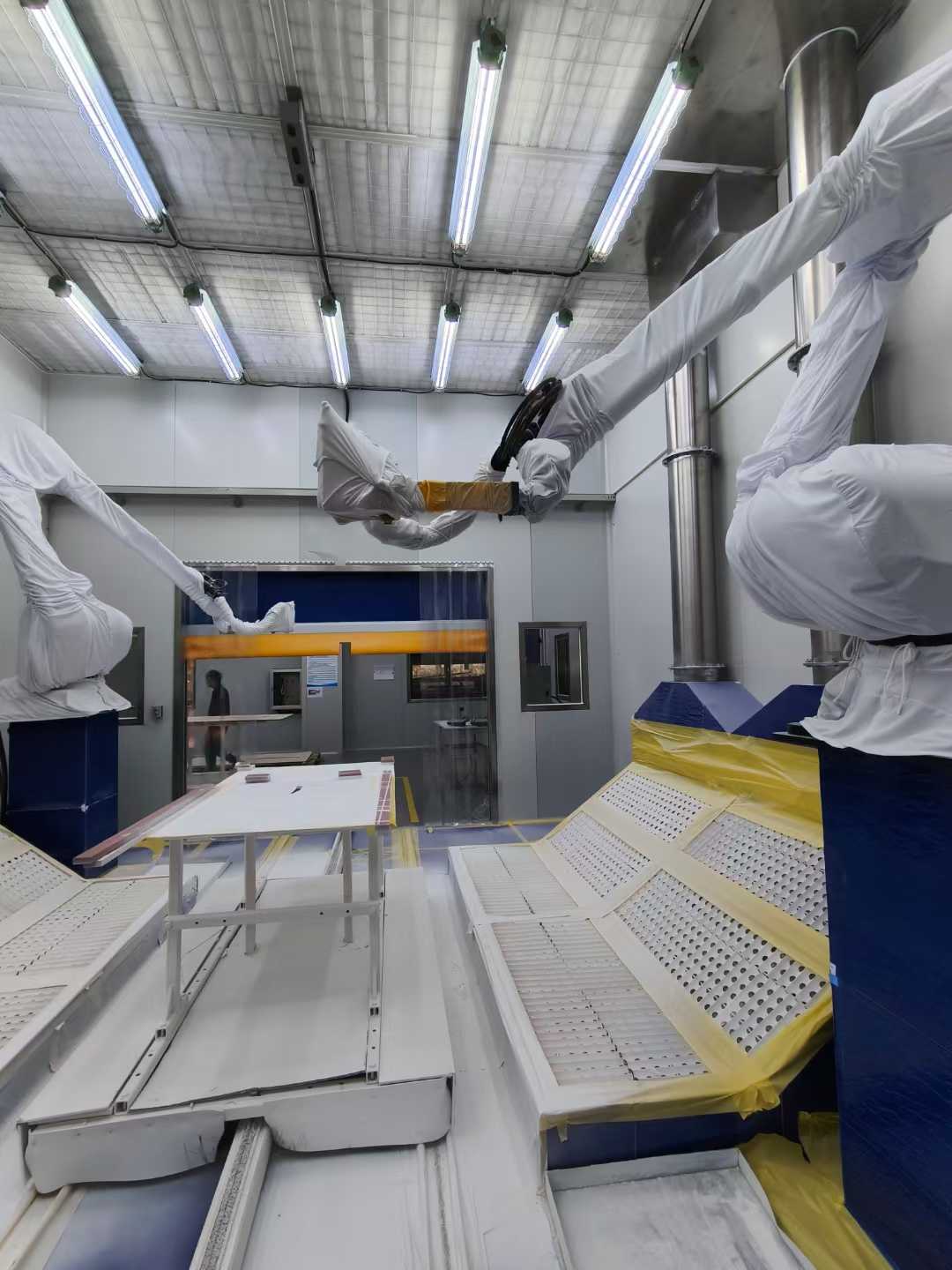
Instead of executing predefined paths, the system:
- Takes desired coating thickness as input (micron-level)
- Decomposes it into multi-layer process planning
- Simulates physical behaviors (flow, adhesion, curing shrinkage)
- Dynamically calculates spray trajectory, speed, angle, and airflow using AI Vision-Action models
Key advantage: flexibility without dependency on vehicle-specific preloaded data
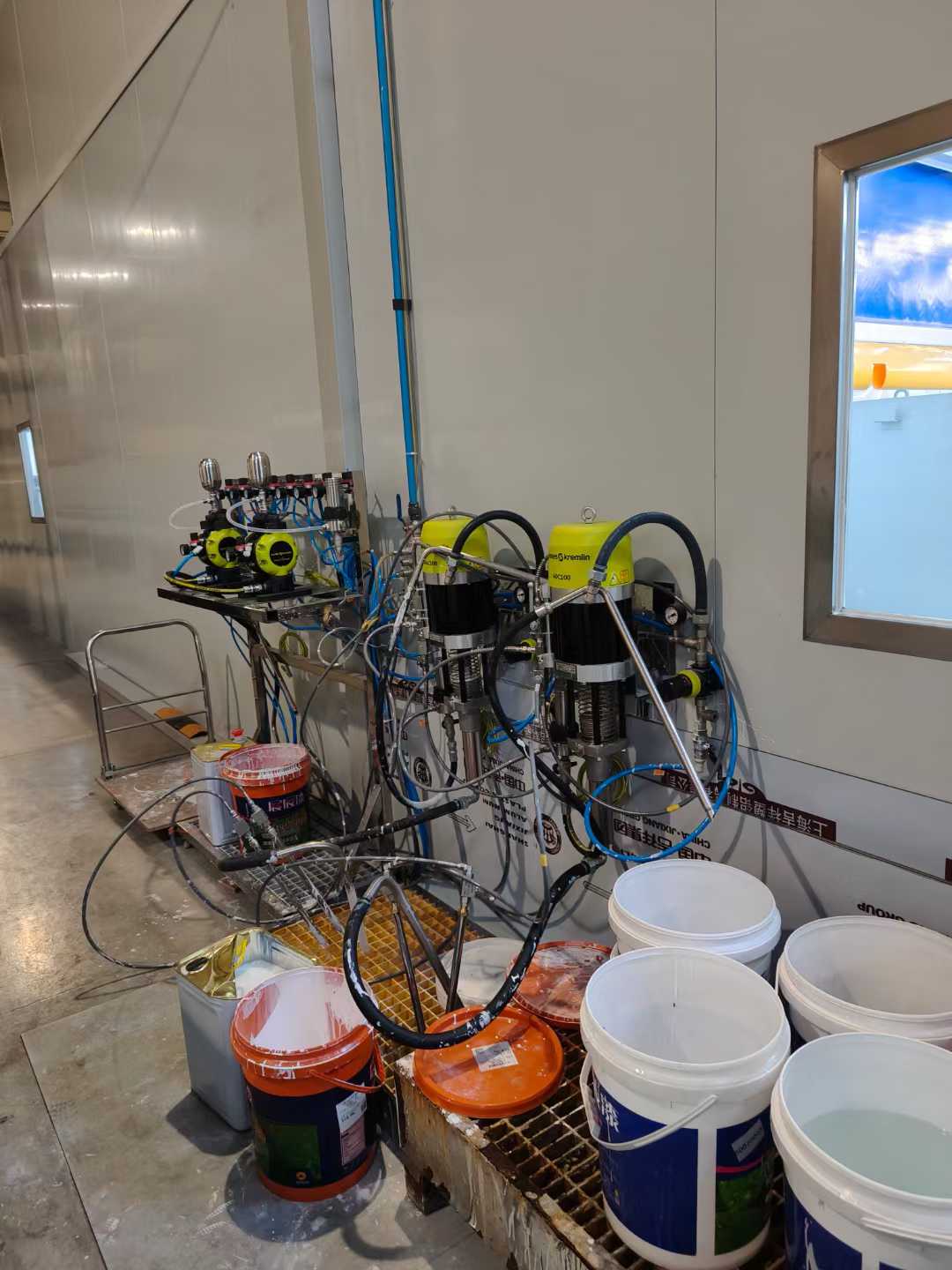
Potential impact:
- Automotive aftermarket efficiency gains
- Reduced labor dependency
- Inventory optimization for suppliers
- Scalable deployment across global vehicle ecosystems
This represents a shift from programming robots to teaching robots physical outcomes.