

 English
 Español
 Português
 Русский
 عربي
عربي Türkçe
 Deutsch
 Polski
 Français
 Italiano
 Tiếng Việt
How Is Paint Mist Air Treated in a Dry Spray Booth, and When Is an RTO Required to Meet Emission Standards?
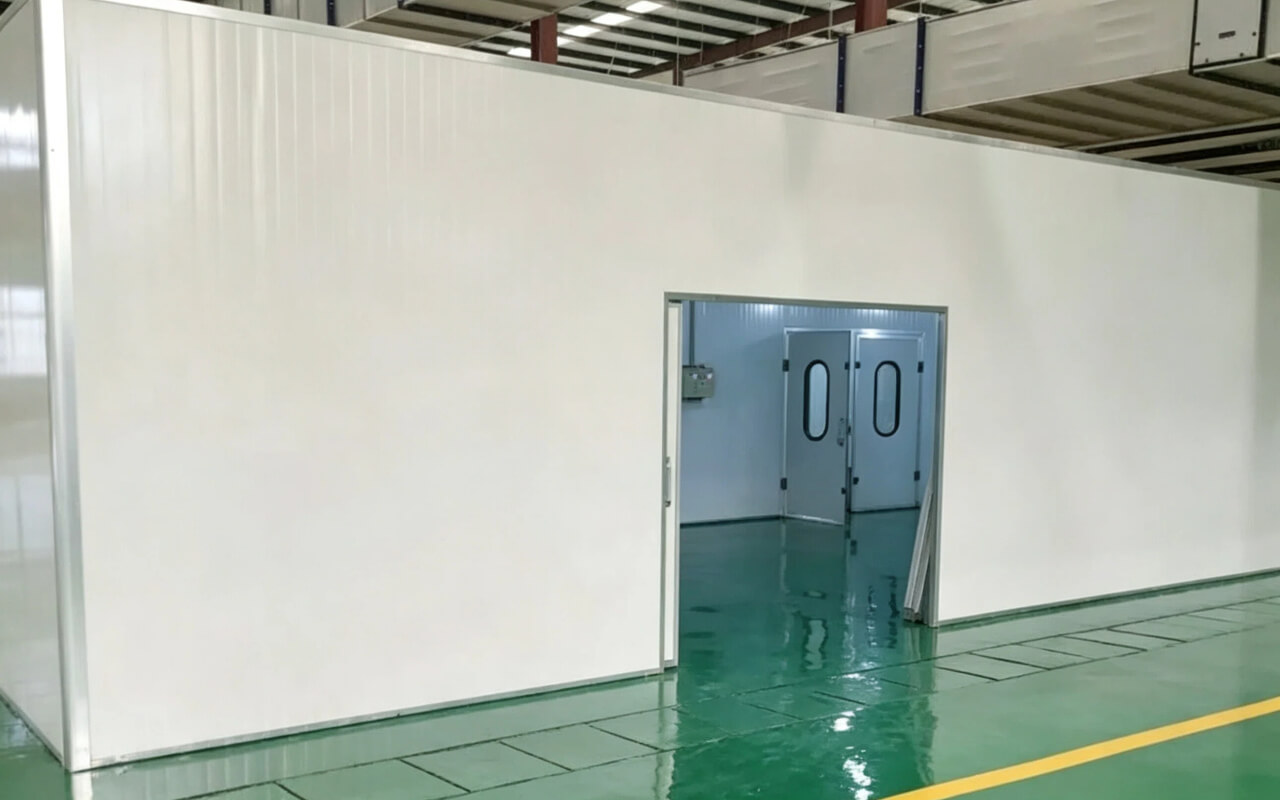
In modern industrial painting and powder coating facilities, effective treatment of paint mist and volatile organic compounds (VOCs) is essential for environmental compliance, worker safety, and sustainable production. One common misconception is that all dry spray booths must be connected to an RTO (Regenerative Thermal Oxidizer). In reality, whether an RTO is required depends on VOC concentration, local environmental regulations, production scale, and exhaust airflow volume.
This article provides a detailed overview of the paint mist air treatment process in dry spray booths, explains when an RTO is necessary, and outlines key emission compliance requirements that every coating professional should understand.
Understanding the Dry Spray Booth Exhaust Treatment Process
The complete treatment chain for a dry spray booth typically consists of three stages:
Paint Mist Pre-Treatment → VOC Removal → Compliant Exhaust Emission
The first stage removes paint particles, while the second stage addresses gaseous pollutants such as VOCs.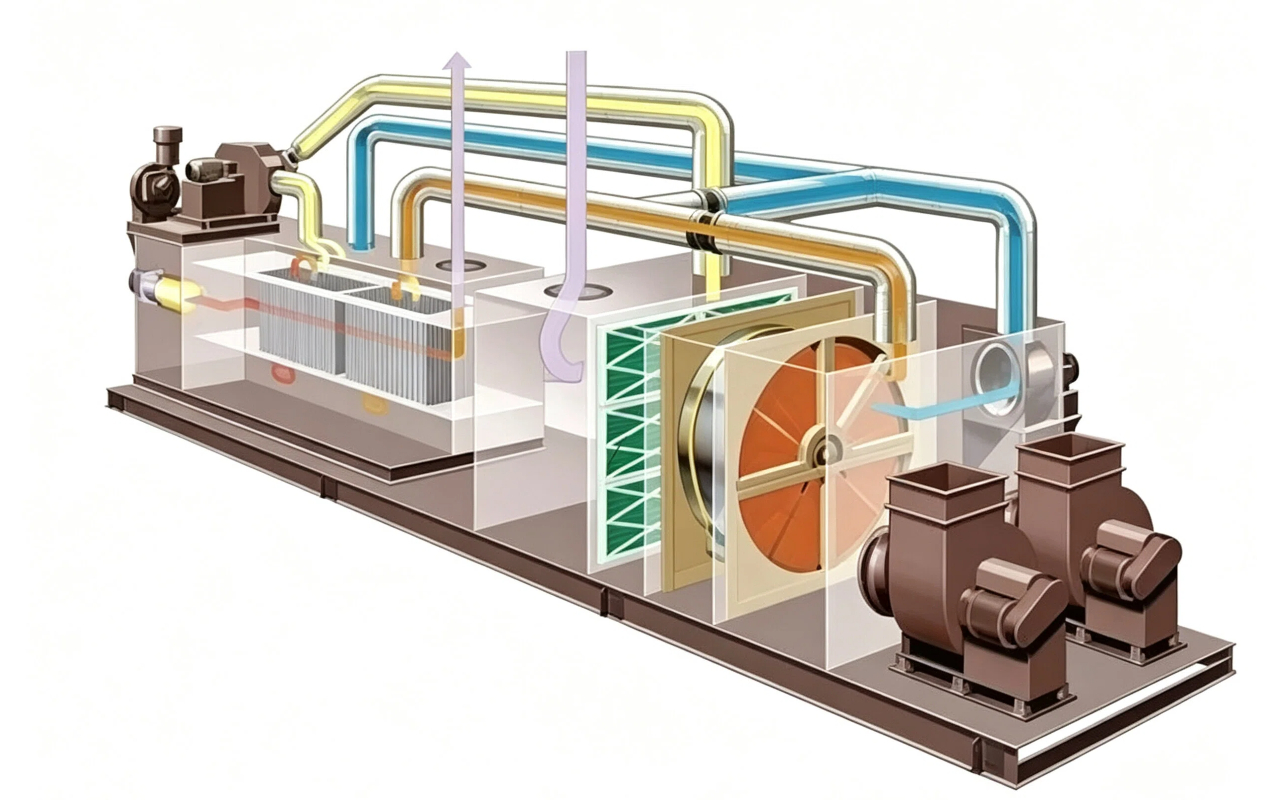
1. Paint Mist Pre-Treatment: The Core Function of a Dry Spray Booth
The primary purpose of a dry spray booth is to capture paint overspray before it enters downstream treatment equipment.
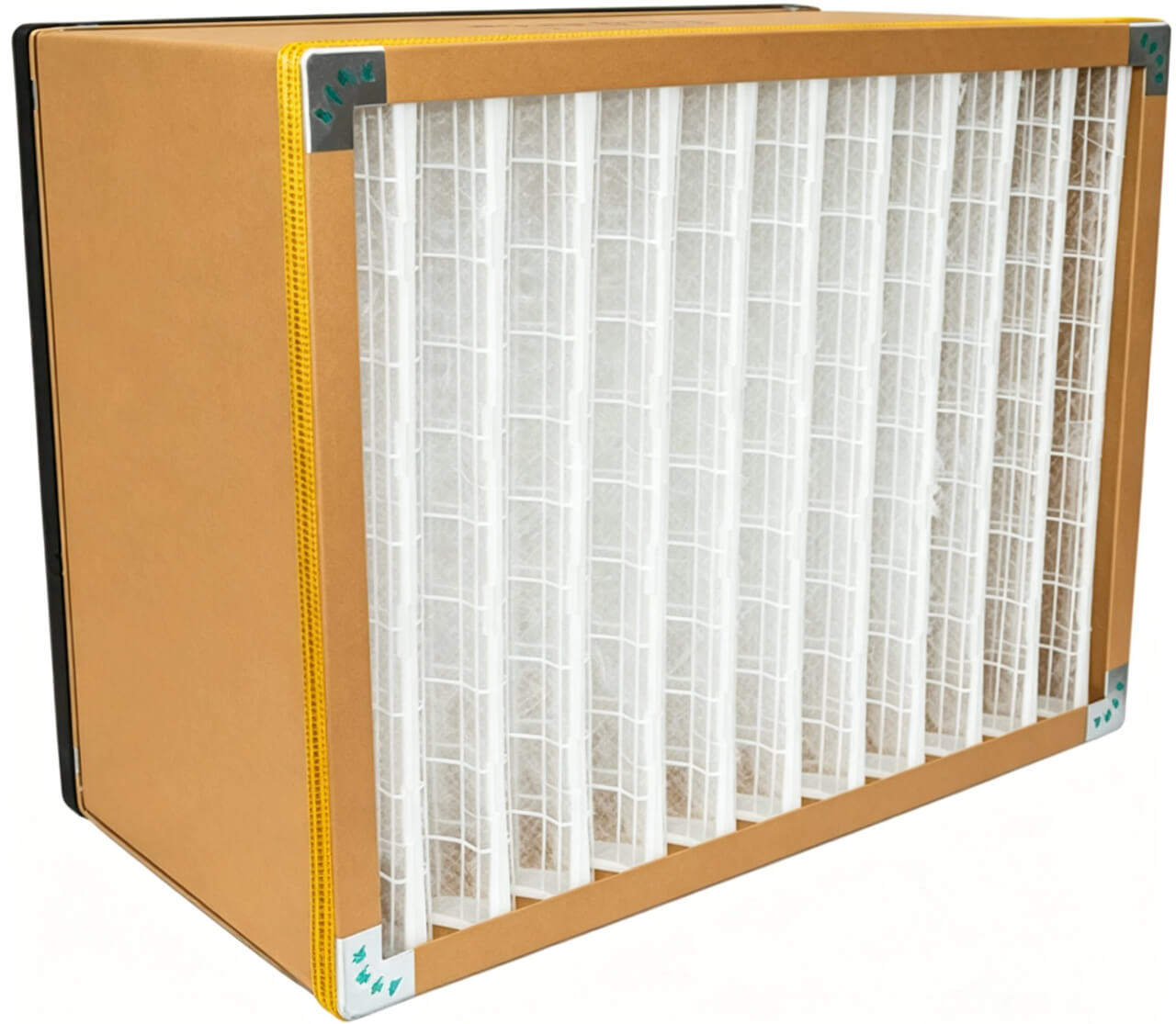
Stage 1: Fiberglass Filter Media
Fiberglass filter pads capture more than 95% of large paint particles (typically ≥10 μm in diameter).
Key advantages include:
Progressive-density fiber structure for high filtration efficiency
Paint holding capacity of 5–15 kg/m²
Reduced maintenance frequency
Protection of downstream equipment
Stage 2: Baffle or Labyrinth Paint Mist Collector
After passing through the fiberglass filter, the airflow enters a secondary separation system consisting of M-shaped baffles or corrugated labyrinth structures.
As the airflow repeatedly changes direction, fine paint particles (1–10 μm) are separated through inertial impaction.
Performance characteristics:
Separation efficiency: 90–97%
Significant reduction of particulate matter
Improved VOC treatment performance
Why Paint Mist Removal Matters
Proper pre-treatment ensures that particulate concentrations entering the VOC treatment system remain below 5 mg/m³, preventing:
RTO ceramic media blockage
Catalyst poisoning in catalytic oxidation systems
Increased operating costs
Reduced treatment efficiency
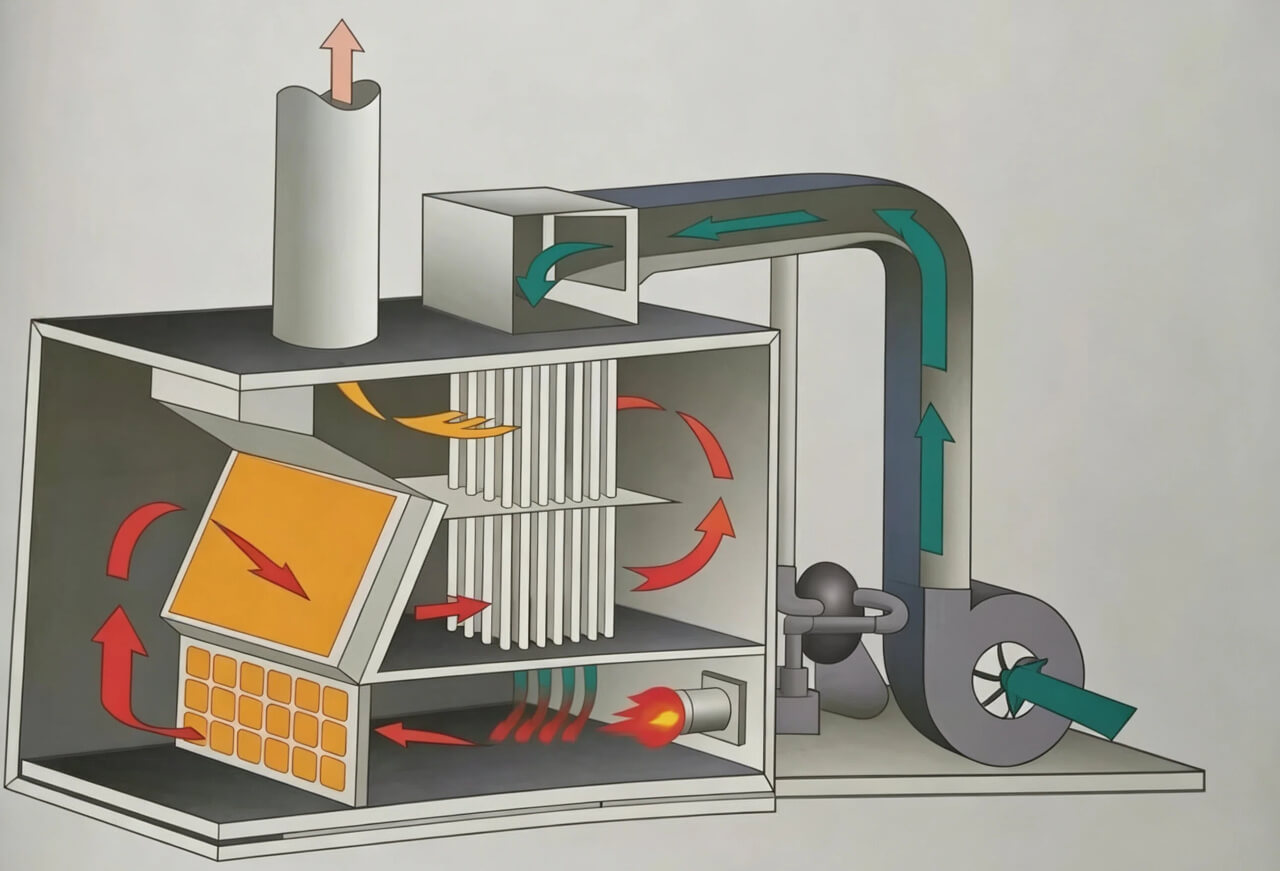
2. VOC Treatment: The Key Factor in Determining Whether an RTO Is Required
Once paint particles have been removed, the remaining exhaust gas still contains VOCs generated by solvents, thinners, and coatings.
The choice of treatment technology depends primarily on VOC concentration and regulatory requirements.
When Is an RTO Recommended?
High VOC Concentrations
An RTO becomes highly effective when VOC concentrations reach or exceed 800 mg/m³.
Benefits include:
Self-sustaining combustion capability
Lower fuel consumption
Potential zero-fuel operation when VOC concentration exceeds approximately 1,800 mg/m³
Strict Environmental Regulations
Regions with stringent emission requirements often mandate VOC removal efficiencies above 90–95%.
Typical performance:
| Technology | VOC Removal Efficiency |
|---|---|
| Activated Carbon Adsorption | 80–90% |
| Catalytic Oxidation (CO) | 90–98% |
| RTO | 99%+ |
For facilities operating under strict environmental standards, RTO systems are often the preferred solution.
Large-Scale Continuous Production
Industries such as automotive manufacturing frequently operate exhaust systems exceeding 20,000 m³/h.
For these applications:
Heat recovery efficiency exceeds 95%
Energy consumption is significantly reduced
Operating costs are lower than catalytic oxidation systems
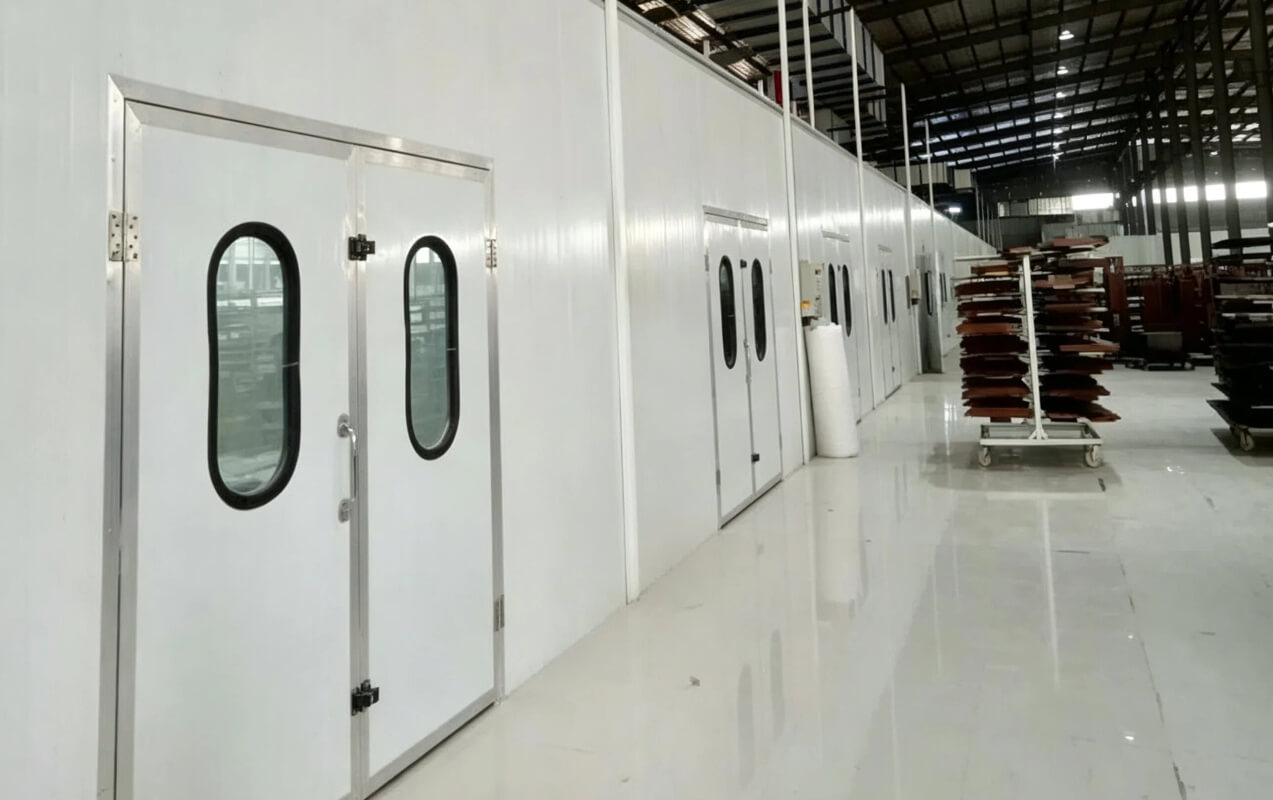
How Does an RTO System Work?
Step 1: Zeolite Rotor Concentration (Optional)
When VOC concentrations are relatively low (below 800 mg/m³), a zeolite concentration wheel may be installed upstream.
Benefits:
Reduces exhaust airflow volume to approximately 1/10–1/15 of the original flow
Concentrates VOCs into a smaller air stream
Improves RTO efficiency
Step 2: High-Temperature Thermal Oxidation
The concentrated gas enters the RTO chamber, where it is heated to approximately 820–900°C.
The exhaust remains in the oxidation chamber for at least 2 seconds, allowing VOCs to be converted into:
Carbon dioxide (CO₂)
Water vapor (H₂O)
Step 3: Heat Recovery
A three-chamber RTO uses ceramic heat-storage media and switching valves to recover thermal energy.
Advantages include:
More than 95% heat recovery
Reduced natural gas consumption
Lower operating costs
Improved sustainability
Alternative VOC Treatment Solutions Without RTO
Not every dry spray booth requires an RTO system.
Activated Carbon Adsorption + Catalytic Oxidation
Suitable for:
Small to medium airflow systems (<10,000 m³/h)
Moderate VOC concentrations
Projects with limited capital investment
Advantages:
Approximately 30% lower initial investment than RTO systems
Disadvantages:
Higher operating energy costs
Two-Stage Activated Carbon Adsorption
Suitable for:
Small facilities
Basic compliance requirements
Lower VOC loads
Performance:
VOC removal efficiency of approximately 70–85%
Limited suitability under increasingly strict regulations
Situations Where an RTO Is Often Necessary
An RTO is typically recommended when one or more of the following conditions apply:
1. High Regulatory Requirements
Required VOC removal efficiency ≥90%.
2. High VOC Concentration and Airflow
VOC concentration continuously exceeds 800 mg/m³
Exhaust airflow exceeds 20,000 m³/h
3. ESG and International Supply Chain Compliance
Many global brands require advanced VOC control measures.
Examples include suppliers that must demonstrate:
VOC removal efficiency ≥99%
Continuous emissions monitoring
Environmental sustainability compliance
Final Emission Compliance Requirements
Particulate Matter Limits
After dry filtration treatment:
Particulate concentration should typically be ≤10 mg/m³
VOC Emission Limits
Typical requirements include:
| Parameter | Typical Limit |
|---|---|
| Total VOCs (NMHC) | ≤120 mg/m³ |
| Stringent Regions | ≤10 mg/m³ |
| Benzene-Series Compounds | ≤10 mg/m³ or lower |
Exhaust Stack Requirements
Recommended stack specifications:
Minimum height: 15 meters
At least 5 meters higher than nearby buildings within a 200-meter radius
Continuous Monitoring Requirements
For facilities using RTO systems, online monitoring is often required for:
VOC concentration
Temperature
Pressure
Environmental reporting platforms
Conclusion: Is an RTO Always Required for a Dry Spray Booth?
The answer is no. A dry spray booth's primary role is paint mist removal, while VOC treatment can be achieved through several technologies, including activated carbon adsorption, catalytic oxidation, zeolite concentration systems, and RTOs.
However, for applications involving:
High VOC concentrations
Large exhaust airflow volumes
Strict emission regulations
ESG-driven sustainability requirements
an RTO remains the industry-standard solution, offering VOC removal efficiencies above 99% and heat recovery rates exceeding 95%.
The optimal system should always be selected based on actual VOC concentrations, airflow volume, local environmental regulations, operating costs, and long-term compliance objectives. A properly engineered solution prevents both unnecessary capital investment and the risk of exceeding emission limits.


