

 English
 Español
 Português
 Русский
 عربي
عربي Türkçe
 Deutsch
 Polski
 Français
 Italiano
 Tiếng Việt
How Are Genuine Leather Car Seats Coated in Automotive Manufacturing?

In the automotive interior industry, the texture, color consistency, matte finish, abrasion resistance, and long-term durability of genuine leather seats are all determined by the original factory leather coating process.
Many people assume that the color and soft touch of leather are naturally formed. In reality, untreated natural leather has significant color variation, irregular pores, poor stain resistance, weak UV stability, and is highly prone to fading. Raw leather cannot be directly installed into vehicle interiors without industrial surface treatment.
Automotive leather seat coating technology is a multilayer flexible liquid coating process used during mass production at leather manufacturing facilities. It is one of the core technologies in automotive interior manufacturing.
Genuine Leather Coating Is Not Powder Coating
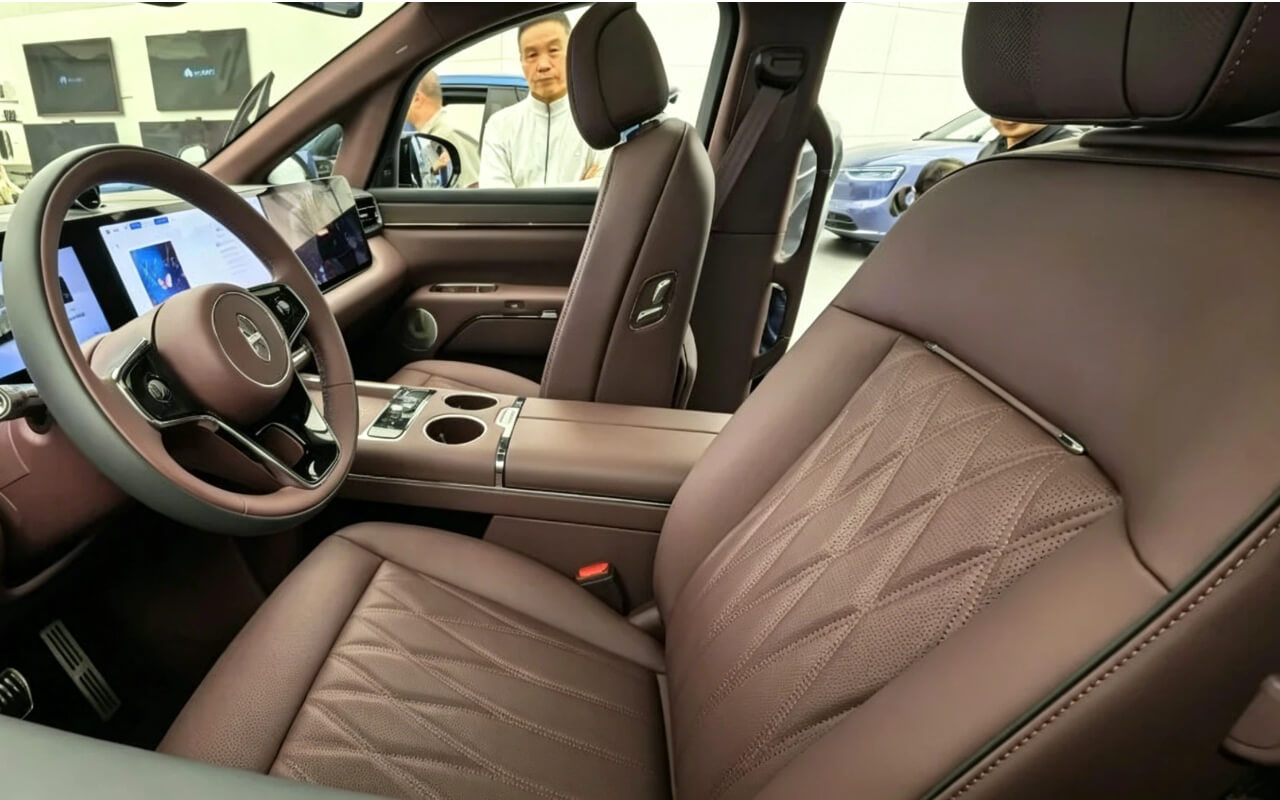
First, it is important to clarify a major industrial misconception: automotive leather seat coating is not powder coating.
These are two completely different industrial systems.
1. Genuine Leather Coating Process
Leather coating uses water-based, flexible, stretchable liquid coatings applied through low-temperature atomized spraying and gradient drying/curing systems.
The coating remains:
Soft and breathable
Flexible during bending and stretching
Suitable for natural leather substrates
2. Powder Coating Process
Powder coating uses electrostatic solid powder that requires high-temperature melting and curing at approximately 180°C–220°C.
This process creates:
Extremely hard coatings
Thick film layers
Rigid, non-flexible surfaces
Powder coating is suitable only for metals and rigid plastics and cannot be used on leather.
Natural leather cannot withstand such high temperatures, cannot electrostatically attract powder effectively, and would crack during flexing. Therefore, all OEM automotive leather seats use multilayer liquid spray coating systems.
Why Is Automotive Leather Coating So Important?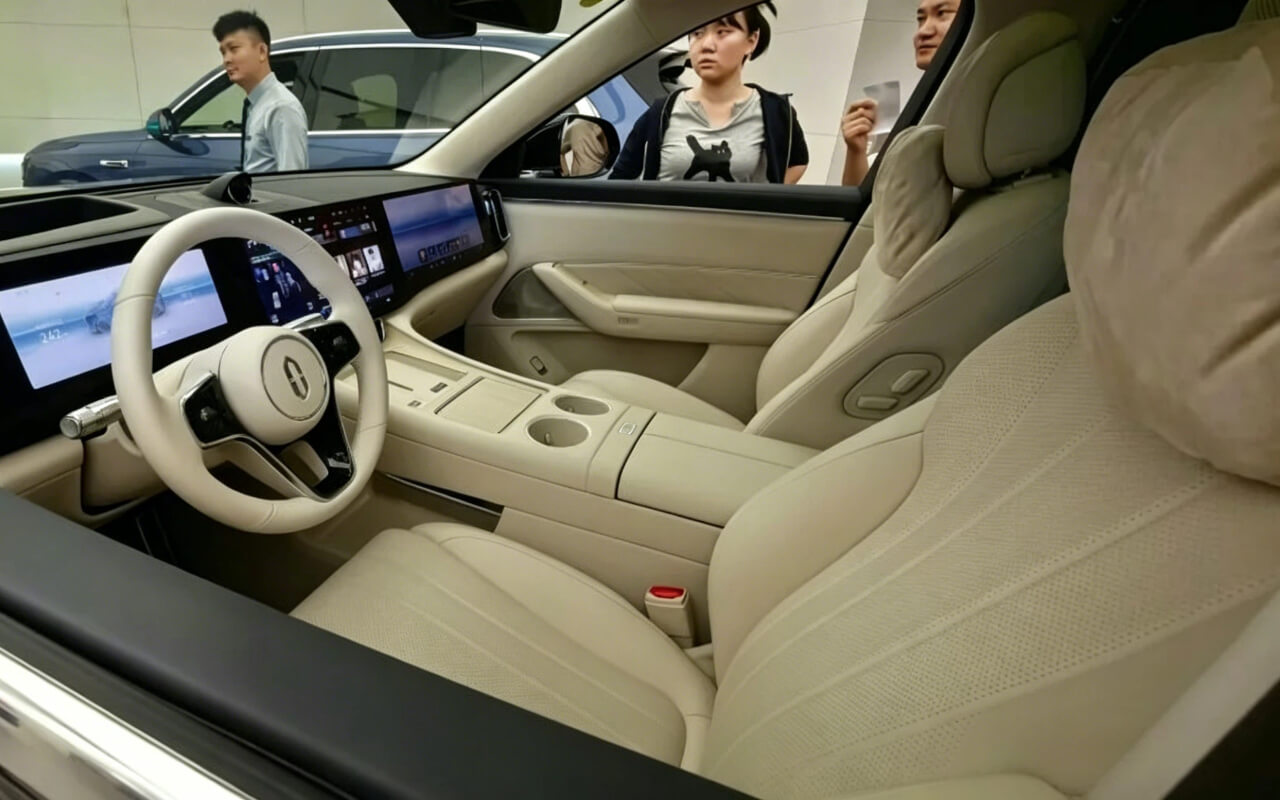
OEM leather coating is far more than simple coloring. It modifies, enhances, and upgrades the leather surface.
Its main functions include:
Creating consistent color across the entire vehicle interior
Sealing leather pores and stabilizing the surface structure
Preventing oil migration from within the leather
Improving abrasion resistance, sweat resistance, UV resistance, and waterproof performance
Producing the premium matte texture expected in luxury automotive interiors
Eliminating roughness, dryness, and uneven surface appearance
Enhancing flexibility and long-term durability without stickiness, fading, or aging
Standard 4-Layer OEM Leather Seat Coating System
Certified automotive leather supplied to vehicle manufacturers typically uses a standardized four-layer automated coating structure:
Primer Coat
Color Base Coat
Texture Finishing Coat
Soft-Touch Protective Clear Coat
Each layer performs a unique function and cannot be replaced by another.
1. Penetrating Sealing Primer (Foundation Layer)
The primer is the foundation of the entire coating system.
Using automated low-pressure atomized spraying, the primer partially penetrates the microscopic pores of the leather surface.
Main Functions
Seals loose leather fibers
Prevents internal oil migration
Improves adhesion of subsequent color coatings
Prevents peeling, delamination, and uneven color defects
2. Color Base Coat (Color Layer)
The color coat is precisely matched to OEM automotive color standards and applied evenly in multiple thin layers using reciprocating spray systems or robotic sprayers.
Main Functions
Creates uniform seat color throughout the vehicle
Covers natural leather defects and base color variations
Ensures rich, even, opaque color performance
The color layer directly determines the visual consistency of the seat leather.
3. Texture Finishing Coat (Appearance Layer)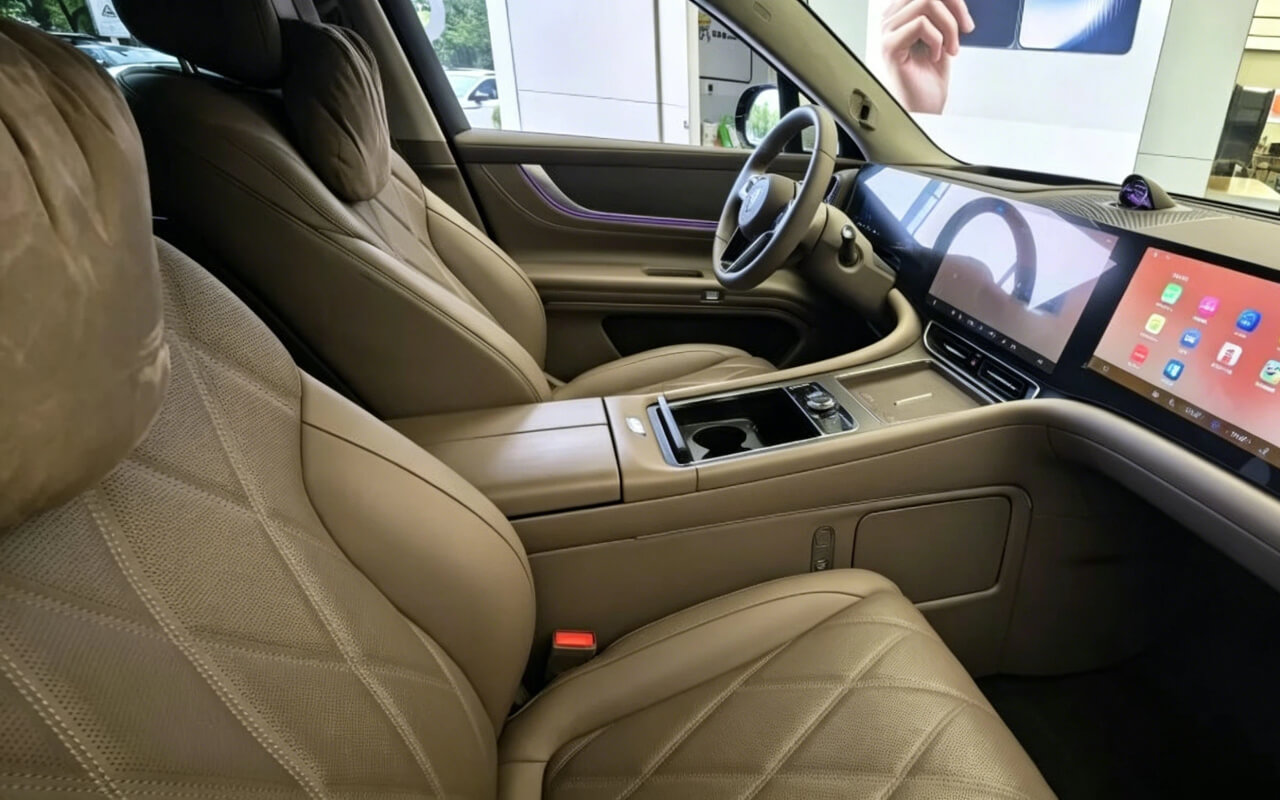
The finishing coat is a delicate transition layer used to refine surface texture and control gloss consistency.
Main Functions
Eliminates mottled spray appearance and excessive glare
Produces a soft premium matte finish
Preserves the natural leather grain without creating a plastic-like appearance
4. Soft-Touch Protective Clear Coat (Functional Top Layer)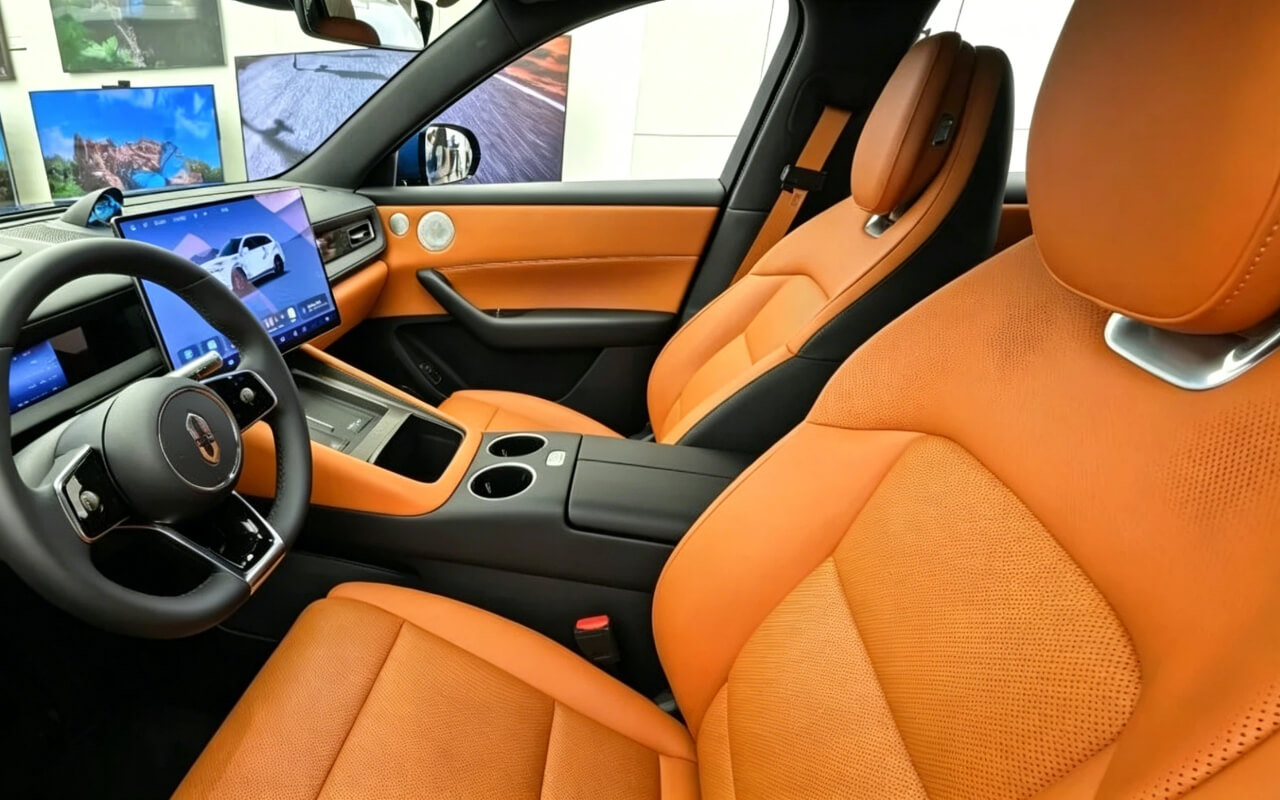
This is the most critical layer for determining leather durability and tactile quality.
OEM manufacturers use flexible matte clear coats combined with specialized tactile additives.
Main Functions
UV resistance for long-term color stability
Sweat and body-oil resistance
High abrasion resistance for long-term use
Premium smooth leather touch
Anti-stain, anti-dust, and waterproof protection
OEM Automated Leather Coating Production Process
A complete industrial leather coating line typically follows this workflow:
Raw leather selection → Degreasing and washing → Leather stretching and shaping → Automatic dust removal → Primer spraying → Low-temperature tunnel drying → Color coating → Secondary drying → Texture finishing coat → Soft-touch clear coat spraying → Gradient curing → Embossing and leveling → Final quality inspection and roll packaging
The entire process is completed in temperature-controlled, humidity-controlled, dust-free industrial spray booths to eliminate:
Dust contamination
Orange peel defects
Uneven thickness
Color inconsistency
Core Technical Features of Automotive Leather Coating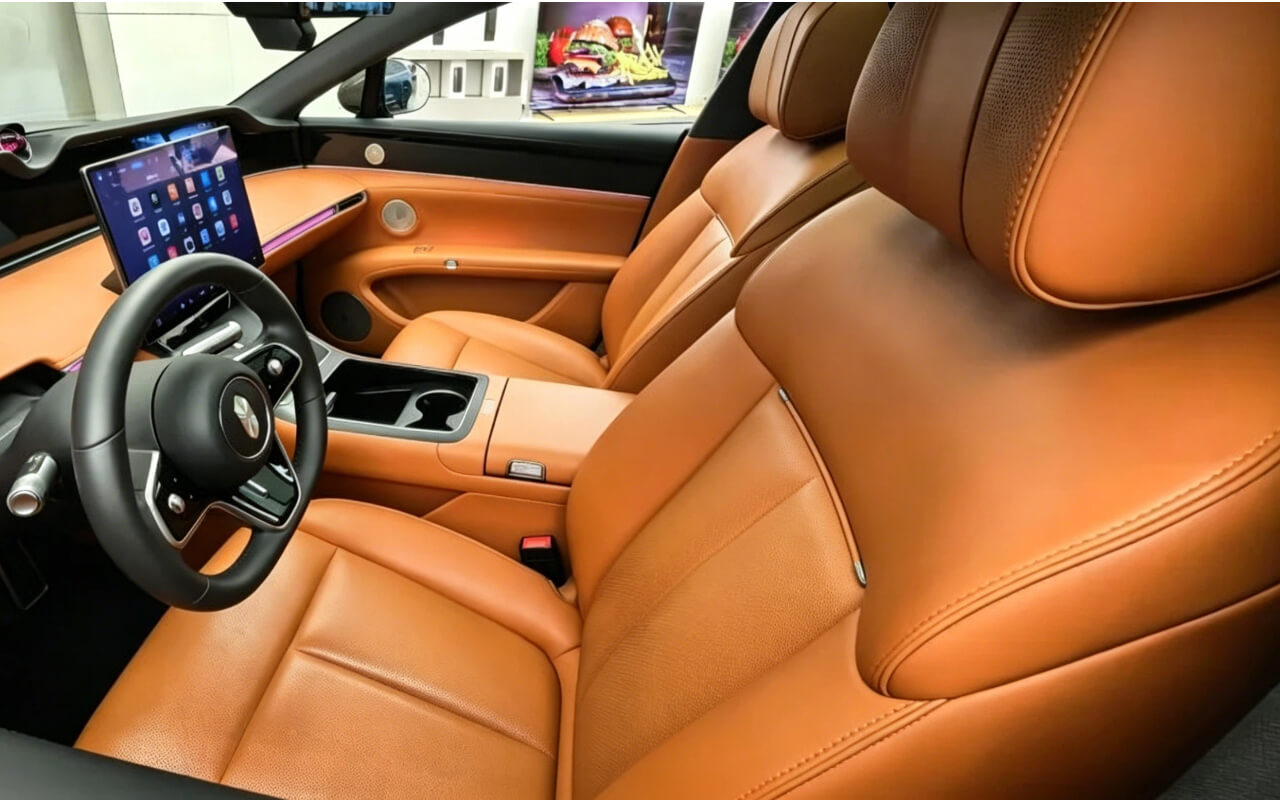
1. Flexible Film Formation Technology
The coating film is ultra-thin, elastic, and highly stretchable, allowing the leather to bend and twist without cracking or delaminating.
2. Low-Temperature Curing System
The entire curing process operates at low temperatures to protect the leather fiber structure while maintaining softness and breathability.
3. Multilayer Thin-Coat Technology
Instead of thick paint buildup, OEM systems apply multiple thin layers to maintain a natural, transparent, and lightweight leather appearance.
4. Automotive-Grade Durability Standards
OEM leather coatings must meet strict automotive interior requirements for:
UV resistance
Abrasion resistance
Aging resistance
Environmental and safety compliance
OEM Leather Coating vs. Leather Refinishing
These two processes are often confused in the market, but they are fundamentally different.
OEM Factory Leather Coating
OEM coating modifies the leather from the raw material stage, integrating color, texture, and performance directly into the leather structure. The coating bonds deeply with leather fibers and provides durability comparable to the vehicle lifespan.
Aftermarket Leather Refinishing
Refinishing is mainly used to repair or recolor worn seats. It only covers the surface and lacks industrial-grade crosslinking and curing processes. As a result, the feel, breathability, and durability are significantly inferior to OEM leather coating systems.
Conclusion
Automotive genuine leather seat coating technology is a specialized multilayer flexible liquid coating system developed specifically for vehicle interiors.
It is not powder coating and not simple paint spraying. Through a standardized industrial process involving primer sealing, color coating, texture finishing, and protective clear coating, natural leather is transformed into a premium automotive material with:
Consistent color
Luxury tactile feel
Long-term durability
Excellent weather resistance
This advanced coating technology is the true foundation behind the appearance, comfort, and quality of all high-end OEM leather car seats.
keywords: Automotive Leather Coating, Leather Seat Coating System, industrial leather coating line


