

 English
 Español
 Português
 Русский
 عربي
عربي Türkçe
 Deutsch
 Polski
 Français
 Italiano
 Tiếng Việt
How to Eliminate Mottling in Non-Electrostatic Automated Silver Paint Spraying?

The "Golden Rules" for Flawless Results
Silver metallic coatings are widely used for their premium visual appeal—but in automated non-electrostatic spraying, defects like mottling, streaking, or uneven metallic distribution are common challenges. To achieve a smooth, uniform finish, it is essential to master both process parameters and spraying techniques.
This guide outlines the "golden rules" for optimizing automated silver paint application and eliminating surface defects.
1. Key Spray Parameters You Must Control
When commissioning or fine-tuning a robotic spraying system, four critical parameters directly influence atomization quality and aluminum flake orientation.
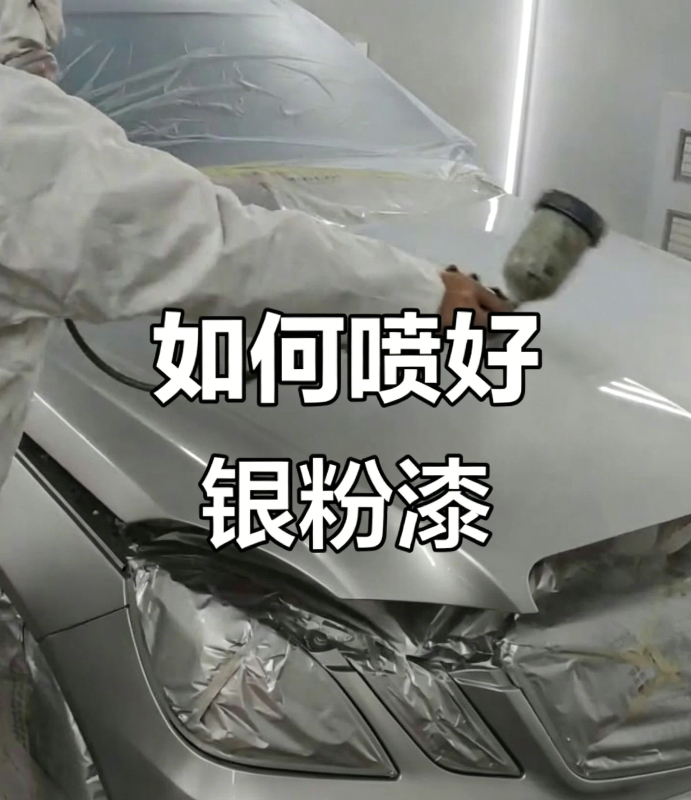
1.1 Spray Distance
Recommended range: 200–300 mm
Too close (<150 mm):
High impact force leads to excessive film thickness, sagging, and aluminum flake accumulation—resulting in rough surfaces and mottling.Too far (>350 mm):
Excessive solvent evaporation causes “dry spray,” leading to poor flake alignment, low gloss, and streak defects.
Best practice:
Maintain a distance of around 250 mm, with slight adjustments based on real-time results.
1.2 Atomization & Shaping Air Pressure
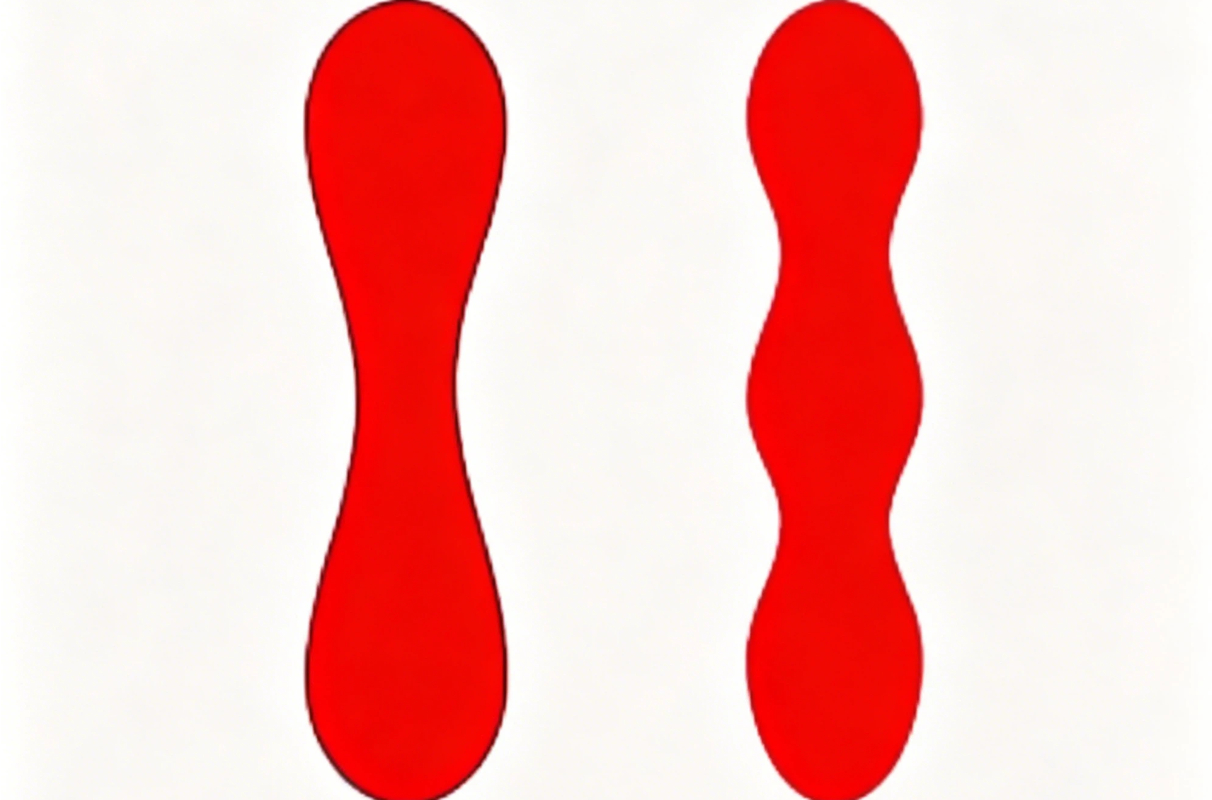
This parameter determines droplet size and spray pattern quality.
Atomization pressure: 0.4–0.6 MPa
Too low → poor atomization, uneven flake distribution
Too high → excessive overspray, material waste, environmental issues
Fan (shaping) air control:
Higher outer air pressure → wider spray pattern
Lower inner air pressure → narrower pattern
Target:
A well-defined elliptical spray pattern with uniform distribution.
Recommended width: ~300 mm for proper overlap.
1.3 Paint Output & Robot Speed
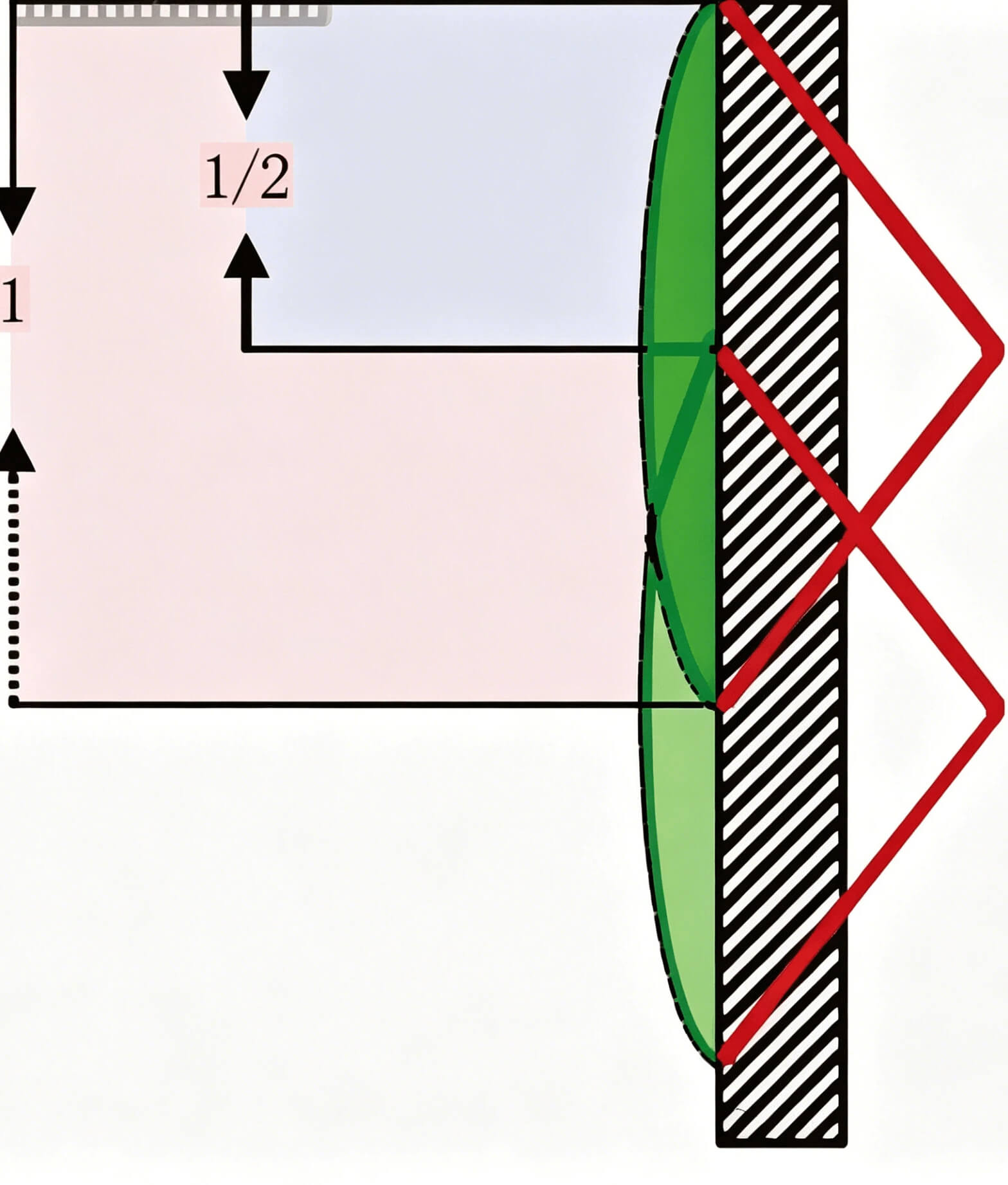
These two parameters must be synchronized to ensure consistent film thickness.
Track spacing: 75–100 mm
Overlap ratio: ~66% (2/3 overlap)
Example:
If spray width = 300 mm → track spacing ≈ 100 mm
Golden rule:
Avoid heavy single-pass coating. Instead, use a multi-layer thin coating strategy:
First pass → base layer (lower output)
Second pass → effect layer (moderate output for proper flake alignment)
1.4 Rotary Bell Speed (if applicable)
Typical range: 20,000–45,000 rpm
Higher speed → finer atomization
For silver paints, excessive speed may damage aluminum flakes or over-atomize the coating
Recommendation:
Set slightly lower than solid-color paints, following supplier guidelines to preserve metallic brilliance.
2. Techniques for Uniform Silver Paint Finishing
Even with correct parameters, process strategy is essential to achieve a defect-free finish.
2.1 Cross-Coating Strategy
Avoid spraying in a single direction.
Method:
First layer → horizontal (X-axis)
Second layer → vertical (Y-axis) or angled
Benefits:
Eliminates streaks and overlap marks
Promotes uniform aluminum flake orientation
Reduces mottling
2.2 Strict Flash-Off Time Control
Proper drying between layers is critical.
Between coats: 5–10 minutes (depending on paint properties)
If too wet → solvent re-dissolves base layer → flake disorder
Before clear coat: 15–20 minutes minimum
Ensures solvent evaporation and stable flake orientation
Prevents defects like “floating flakes” or rainbow patterns
2.3 "Mid-Dry Mist Coat" Correction Technique
If slight mottling or streaking appears, do not immediately rework.
Solution:
At 50–70% dryness (semi-dry state):
Use higher pressure
Increase spray distance (250–300 mm)
Reduce paint output
Apply a light mist coat.
Effect:
Re-aligns surface flakes
Visually corrects unevenness
Avoids increasing film thickness or causing sagging
2.4 Maintain Stable Robot Speed
Keep constant speed on straight paths
Use smooth deceleration at corners or transitions
Why it matters:
Speed drops at corners can cause paint buildup and sagging.
Also ensure:
Cycle time = spraying time + cleaning time < production takt time
→ Never sacrifice quality for speed.
3. Practical Setup Workflow
Follow this step-by-step process for optimal results:
Calibrate Equipment
Ensure paint flow rate and air pressure match actual settings.Set Spray Pattern
Test on panels and adjust shaping air to achieve clean edges—no "tails."Trial Spray
Distance: 200–300 mm
Track spacing: 75–100 mm
Evaluate Finish
If mottling → increase flash-off time or adjust thinner evaporation rate
If sagging → reduce paint output or increase speed
Conclusion
Achieving a flawless silver metallic finish in automated spraying is not just about equipment—it's about precision control and process discipline.
Key takeaways:
Optimize spray distance, pressure, and overlap
Use thin, multi-layer coating strategies
Apply cross-coating and proper flash-off timing
Fine-tune robot motion and correction techniques
By following these "golden rules," you can significantly reduce defects, improve coating consistency, and deliver high-end metallic finishes with confidence.


