

 English
 Español
 Português
 Русский
 عربي
عربي Türkçe
 Deutsch
 Polski
 Français
 Italiano
 Tiếng Việt
How to Improve Paint Adhesion on Aluminum Alloys?

A Guide to Industrial Coating Processes
It is a well-known challenge in the manufacturing industry that aluminum alloys possess poor surface energy, making direct paint application difficult. Without proper intervention, coatings often fail to bond, leading to rapid peeling and flaking. To achieve a durable finish, a strategic approach involving specialized primers and multi-stage coating is essential.
Today, we explore the professional operational steps for aluminum alloy spraying, focusing on the two most prevalent industrial methods: Electrostatic Powder Coating and Liquid Fluorocarbon (PVDF) Spraying.
1. Electrostatic Powder Coating
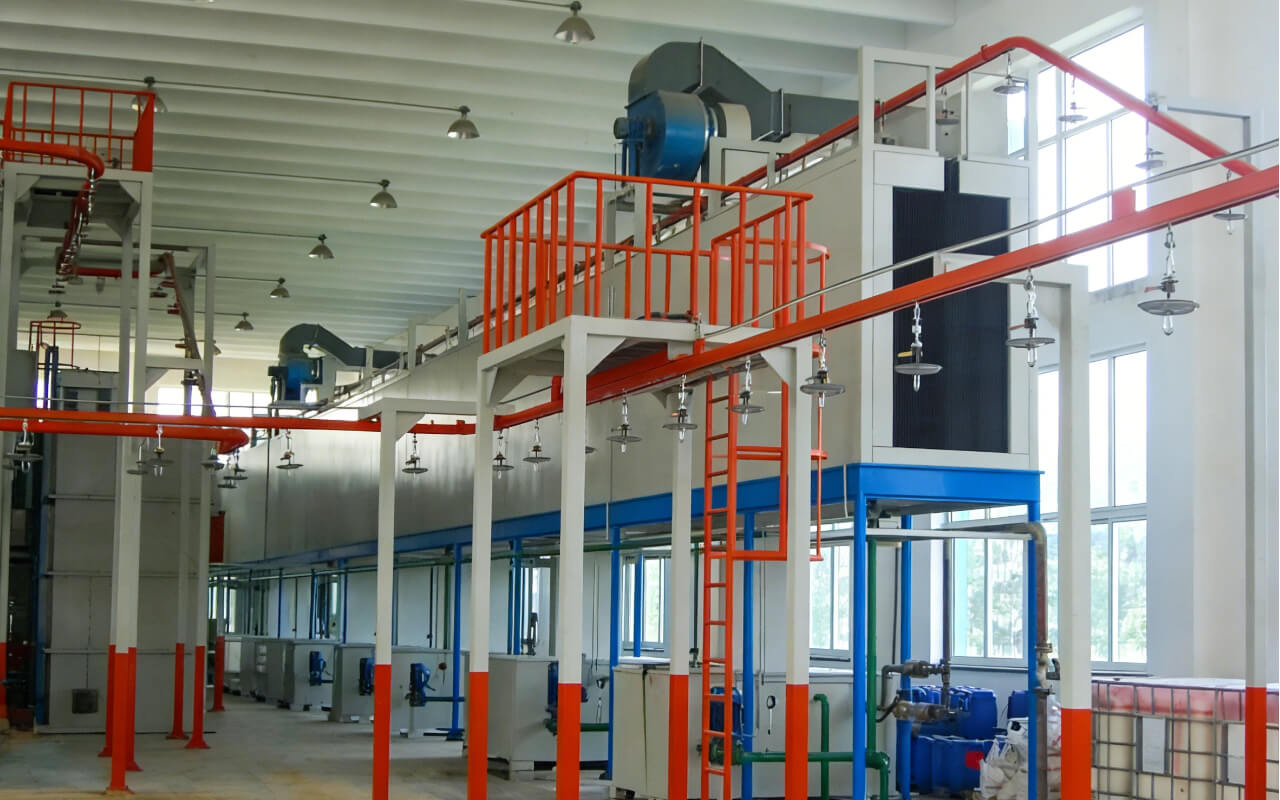
Commonly referred to as powder painting, this process uses dry resin-based powders instead of liquid solvents.
Principles of Operation
Powder coating relies on high-voltage electrostatics. Compressed air carries powder particles through a spray gun where they receive a negative charge. These particles are then drawn to the grounded aluminum workpiece, creating an even, protective layer.
Key Advantages
Eco-Friendly: Contains no organic solvents (VOCs), eliminating harmful gases like toluene and xylene.
Efficiency: A single application can achieve a film thickness of 50-80μm , increasing productivity by up to 40% compared to traditional liquid paints.
Durability: Offers excellent resistance to acids, alkalis, abrasion, and UV radiation, preventing chalking or fading over time.
Process Flow
Surface Pre-treatment: Chemical cleaning (degreasing, de-rusting, and phosphating) or mechanical methods like sandblasting to ensure a pristine substrate.
Spraying: The workpiece enters the spray booth via a conveyor system where the electrostatic field ensures uniform coverage.
Curing: The coated parts are heated in an oven at 180°C – 200°C for 15-20 minutes. This melts and fuses the powder into a smooth, solid film.
2. Fluorocarbon (PVDF) Liquid Spraying
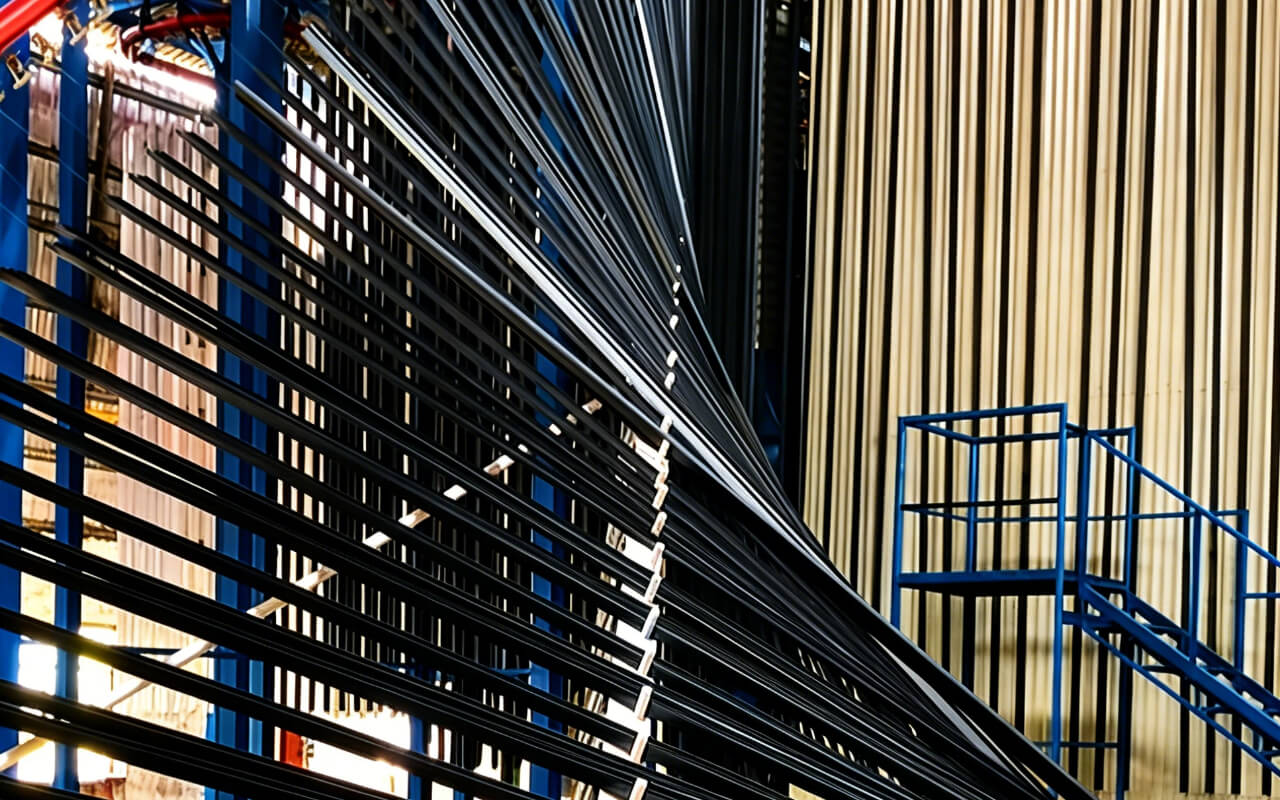
Fluorocarbon coating is a high-end electrostatic liquid spraying process. It is often the preferred choice for architectural aluminum and premium industrial components due to its superior longevity.
The Multi-Layer System
PVDF coating typically utilizes a three-coat, two-bake (3C2B) or two-coat, one-bake (2C1B) system:
Primer (5-10 μm): Seals the substrate, enhances corrosion resistance, and provides a stable foundation for the topcoat.
Topcoat (23-30 μm): Provides the decorative color and acts as the primary shield against UV rays and acid rain.
Clear Coat/Varnish (5-10 μm): Adds metallic luster and provides an extra layer of protection against environmental erosion.
Process Highlights
Pre-treatment: Includes critical steps like chromating to create a chemical bond between the metal and the paint.
High-Temperature Curing: Requires higher temperatures than powder coating, typically between 180°C and 250°C.
Performance Comparison
| Feature | Powder Coating | Fluorocarbon (PVDF) |
| Durability | High | Exceptional (20+ years) |
| Color Variety | Extensive | Moderate (Metallic focus) |
| Cost | Economical | High |
| Environmental | VOC-Free | Contains Solvents |
Conclusion
Choosing the right coating method depends on your project's budget and environmental exposure. While powder coating offers an efficient, eco-friendly solution for many industrial parts, fluorocarbon spraying remains the gold standard for high-durability architectural applications.


