

 English
 Español
 Português
 Русский
 عربي
عربي Türkçe
 Deutsch
 Polski
 Français
 Italiano
 Tiếng Việt
Liquid Spray Coating for Automotive Parts: Which Process Is Right for You?

Water-based coatings have become the industry standard for automotive parts — and for good reason. Over 50% of axle and wheel hub finishing now uses water-based paint, with diesel engine components following at 30–40%. As VOC regulations tighten globally, choosing the right water-based spray process directly impacts your finish quality, production efficiency, and compliance costs.
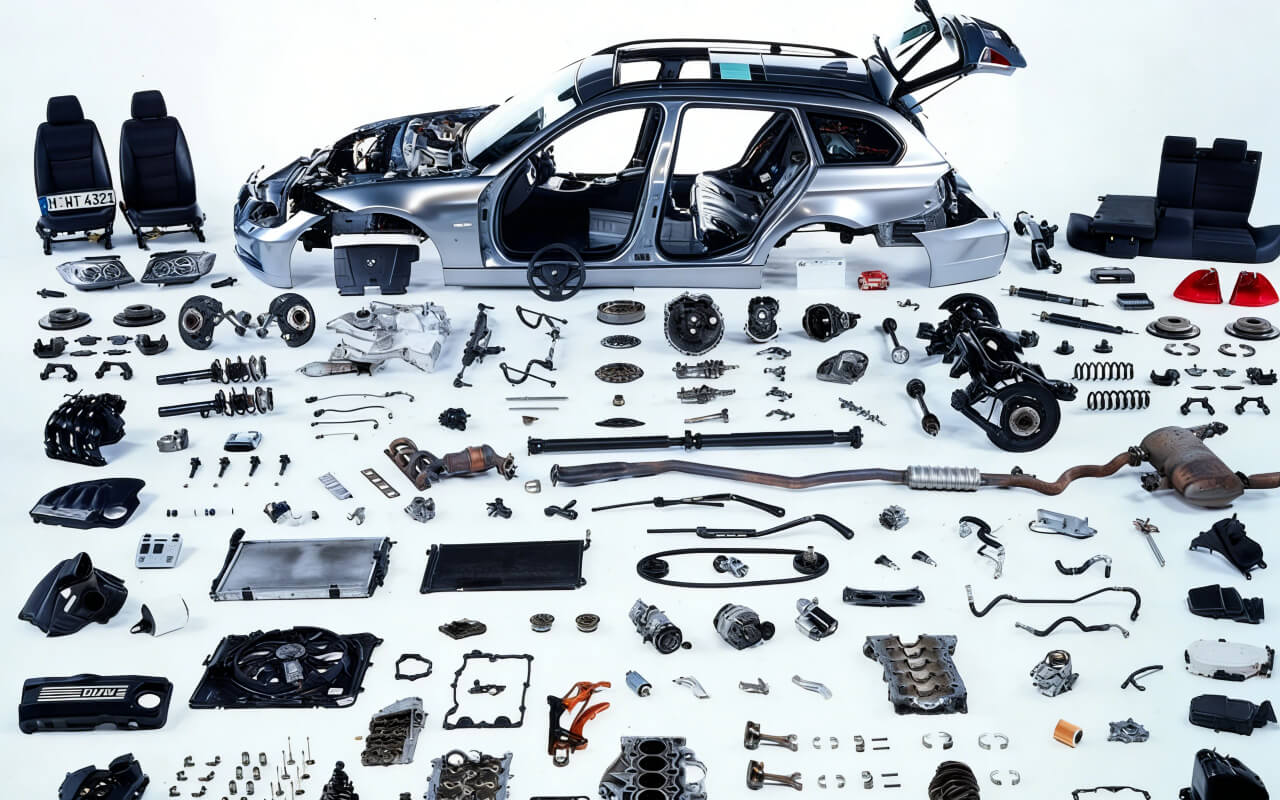
There are four proven application methods. Here's how to choose.
1. Air Spraying — Maximum Versatility, Lower Transfer Efficiency
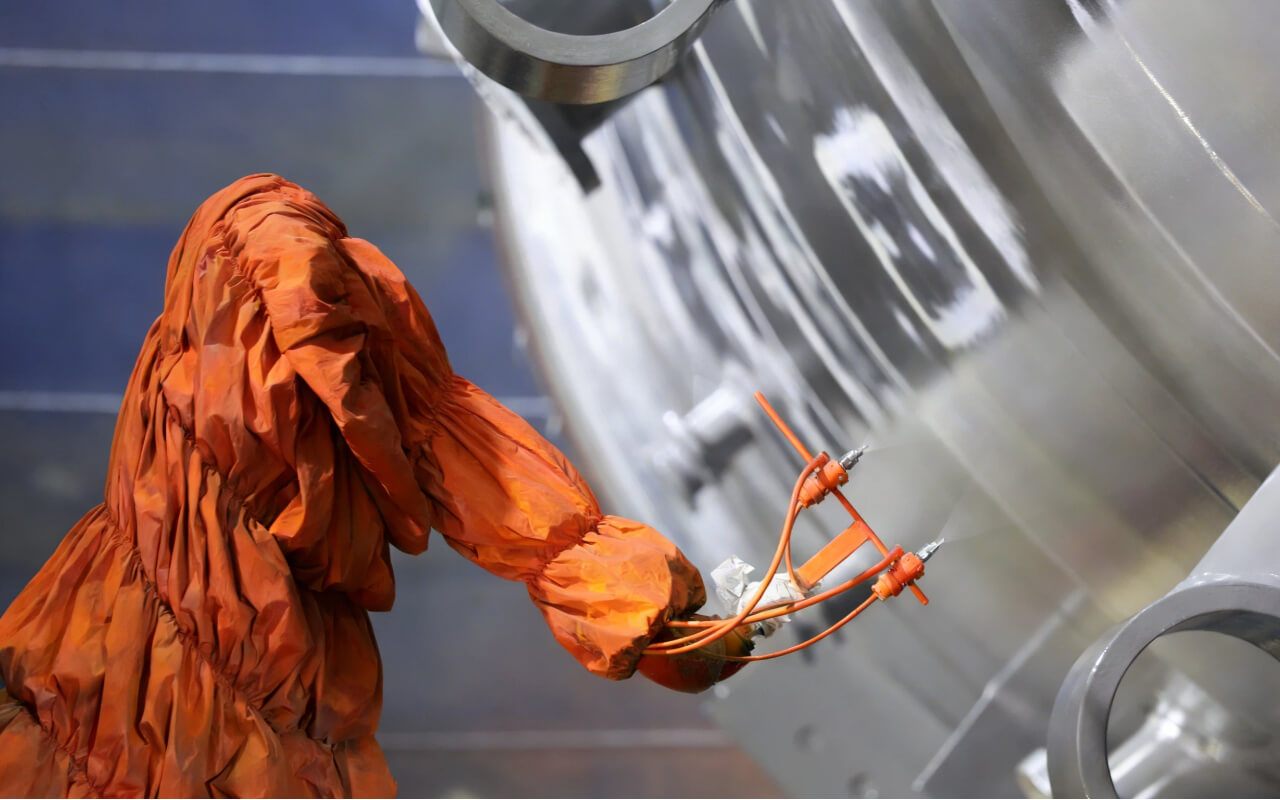
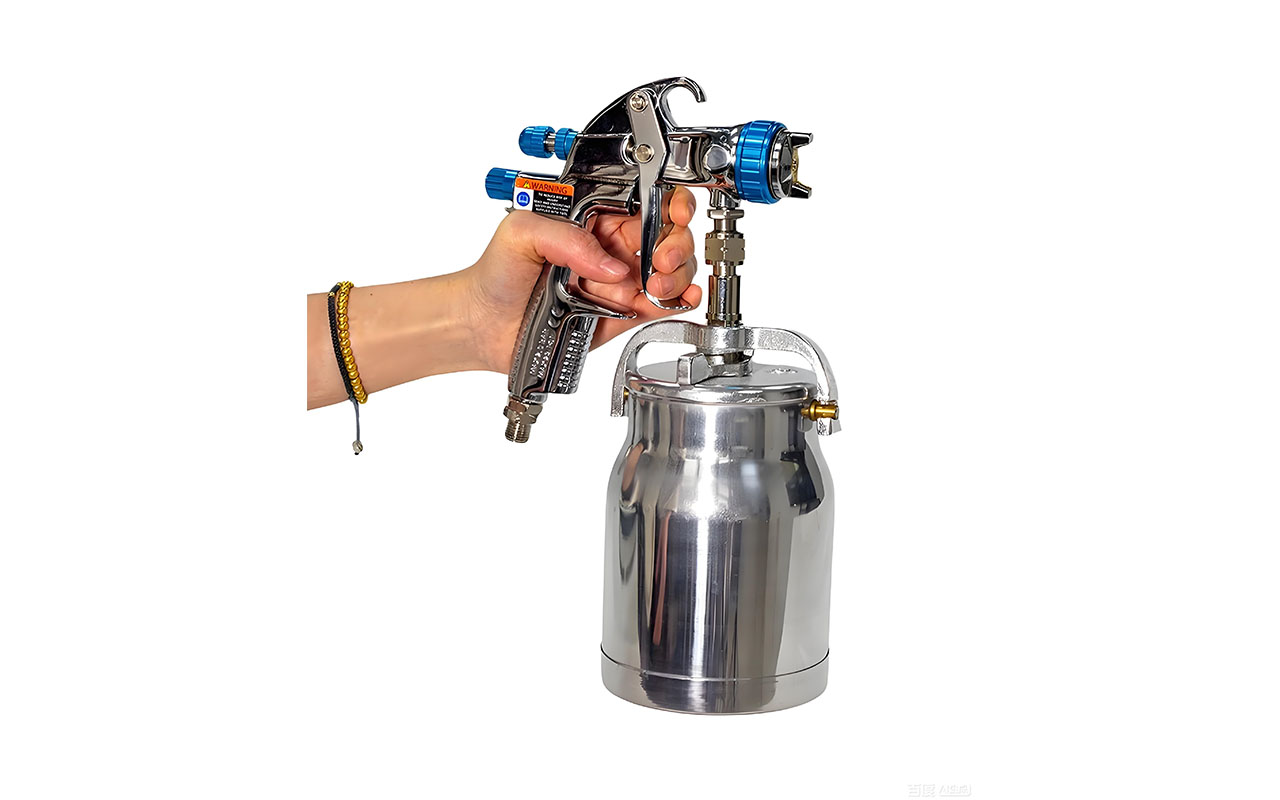
Air spraying uses 0.2–0.5 MPa compressed air to atomize coating into a fine mist, producing a smooth, uniform film across virtually any coating type.
Best for: Small-to-medium parts, R&D shops, mixed-product facilities.Strengths: Compatible with nearly all water-based coatings; smooth, even film build; low equipment entry cost.Limitations: Transfer efficiency as low as 30–40%; higher VOC-equivalent waste; increasingly replaced in high-volume automotive lines.
Ideal for facilities starting a water-based coating transition with limited capital investment.
2. High-Pressure Airless Spraying — Speed & Surface Quality at Scale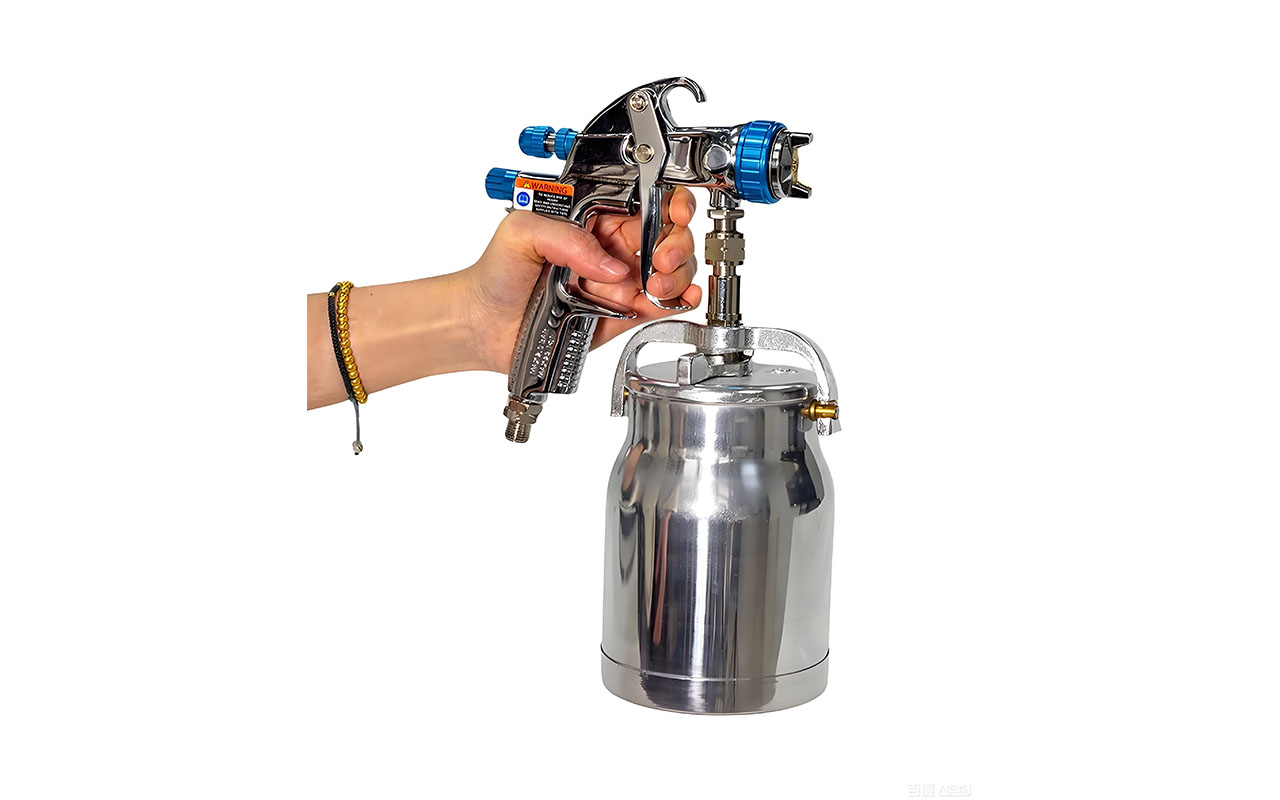
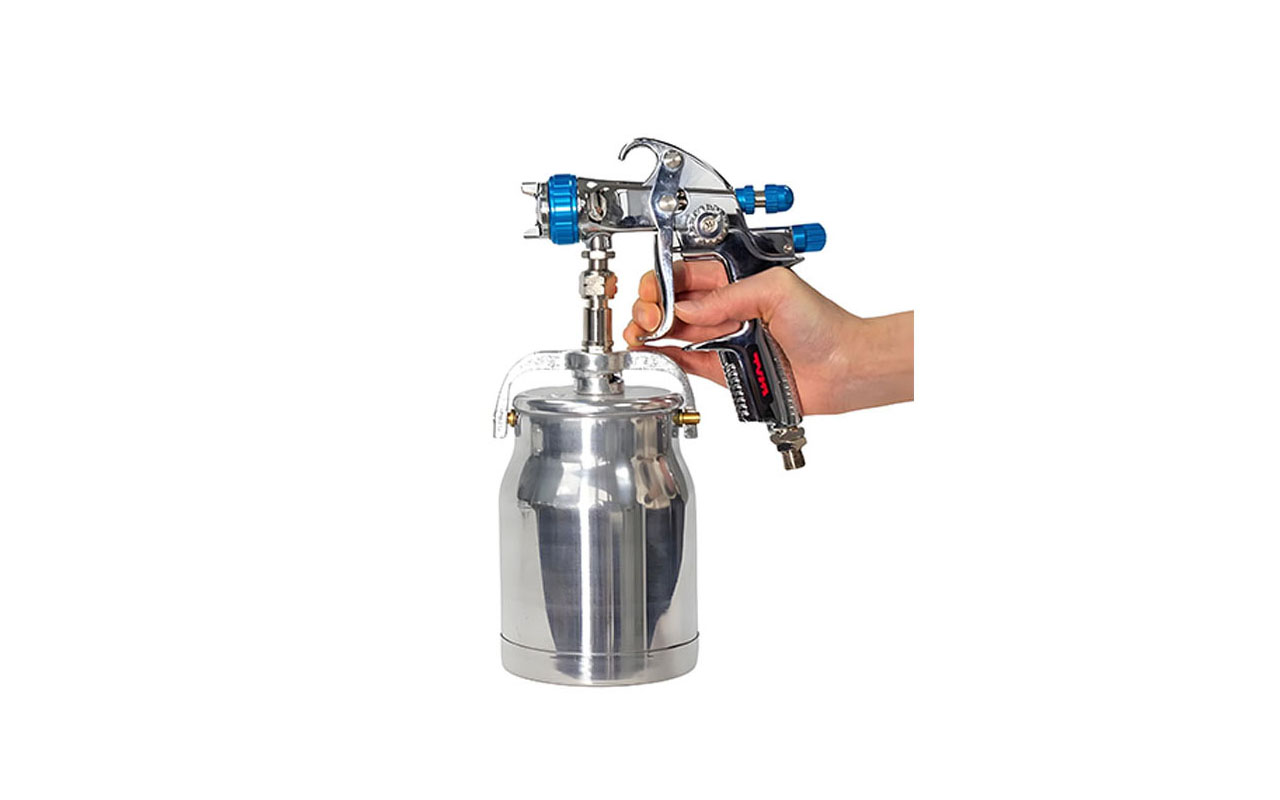
High-pressure airless systems force coating through the nozzle at 9.8–29.4 MPa — no compressed air involved. The result: a particle-free, sharp-edged finish at 3× the throughput of air spraying.
Best for: Large workpieces — chassis components, structural frames, heavy axles.Strengths: Uniform film with no air contamination; significantly reduced VOC emissions; high-speed production.Limitations: Not suited for small or complex geometry parts; fixed spray output requires nozzle changes; higher safety protocols required.
The go-to process for high-volume, large-part automotive coating lines.
3. Air-Assisted Airless Spraying — The High-Performance Hybrid
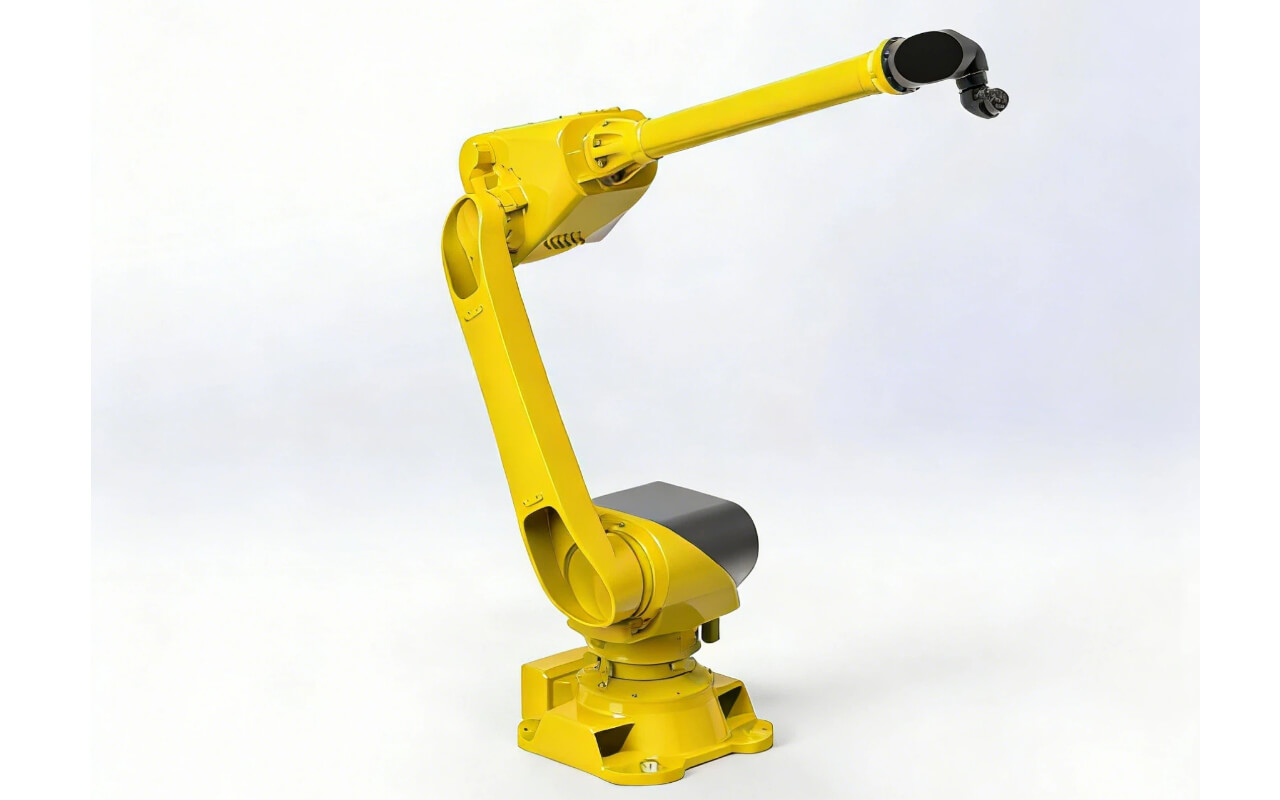
Air-assisted airless spraying (HVLP-airless hybrid) combines the speed of airless with the finish quality of air atomization — a rapidly growing standard in international automotive coating facilities.
Best for: Metal equipment surfaces, steel structures, transformer housings, large automotive components.Strengths: Highest paint transfer efficiency; superior surface finish; faster cycle times than pure air spraying.Limitations: Daily line flushing required; initial investment comparable to full airless systems.
The optimal balance of finish quality, efficiency, and material utilization for medium-to-large production runs.
4. Electrostatic Spraying — Automotive Body Finishing Gold Standard
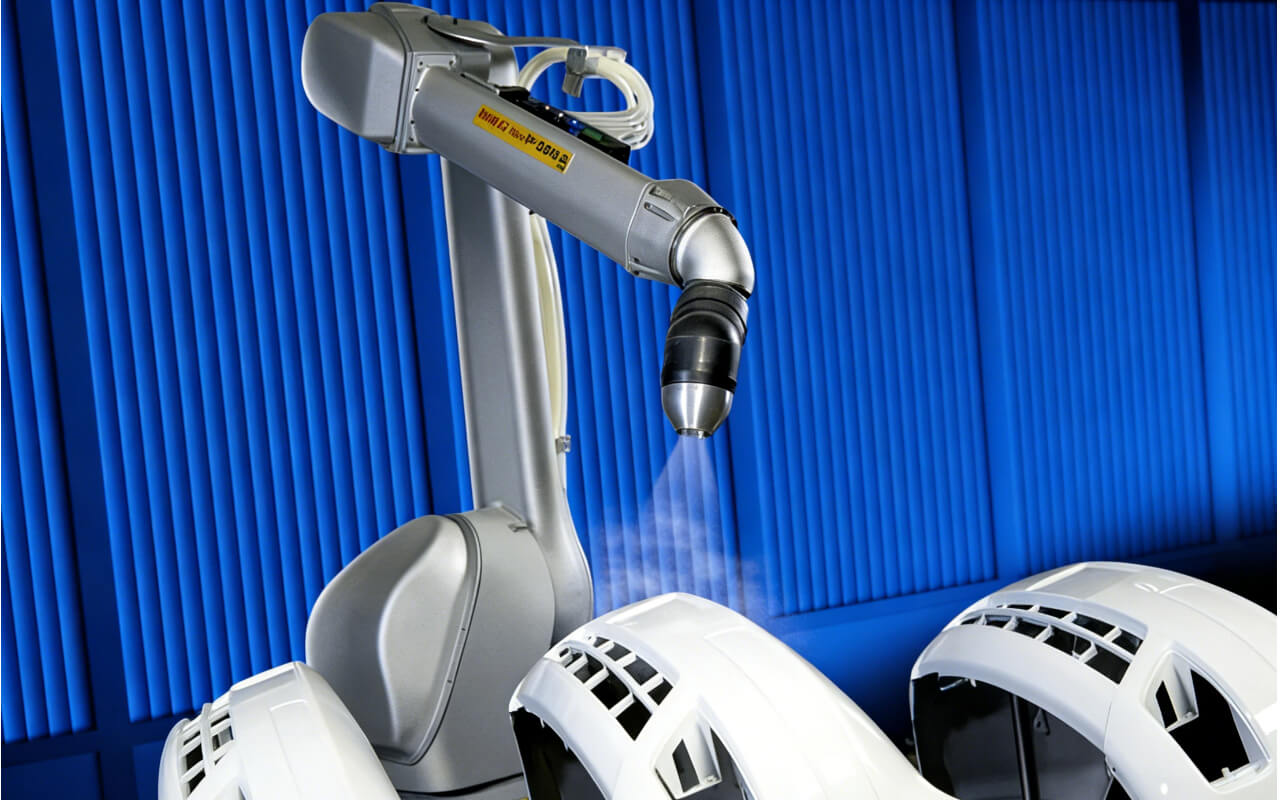
Electrostatic spraying uses high-voltage DC corona discharge to negatively charge atomized paint particles, which are electrostatically attracted to the grounded workpiece. The result: near-zero overspray, exceptional wrap-around coverage, and the highest transfer efficiency of any spray method.
Best for: Automotive body mid-coat and topcoat lines; new energy vehicle (NEV) body finishing.Strengths: Transfer efficiency up to 90%+; consistent decorative finish; fully automatable; energy-efficient; meets the strictest environmental standards.Equipment options: High-speed rotary bell atomizers (fully automated, industry standard for automotive topcoat lines), rotating disc systems, and handheld electrostatic guns for small-batch or complex parts.
High-speed rotary bell electrostatic systems have fully replaced manual spraying on modern automotive body lines — and are the cornerstone of NEV manufacturing.
Which Process Should Your Facility Choose?
| Process | Best Workpiece Size | Transfer Efficiency | VOC Reduction | Automation Level |
|---|---|---|---|---|
| Air Spraying | Small–Medium | 30–40% | Moderate | Manual / Semi-auto |
| High-Pressure Airless | Large | 65–70% | High | Semi / Full auto |
| Air-Assisted Airless | Medium–Large | 75–80% | High | Semi / Full auto |
| Electrostatic | All sizes | Up to 90%+ | Very High | Fully automated |
Water-based coating is no longer a future trend — it is the present standard for automotive manufacturing, especially as new energy vehicle production scales globally. The right process depends on your part geometry, production volume, and compliance requirements.
→ Consult our coating line engineers for a free process recommendation tailored to your parts and facility.
keywords integrated: water-based coating automotive parts, automotive spray coating process, air spraying vs airless spraying, electrostatic spray coating automotive, VOC compliant coating line, water-based paint transfer efficiency, NEV automotive coating system, powder coating line manufacturer, rotary bell atomizer, HVLP spray system industrial.


