

 English
 Español
 Português
 Русский
 عربي
عربي Türkçe
 Deutsch
 Polski
 Français
 Italiano
 Tiếng Việt
Shot Blasting Machines — Basic Principles, Components & Best Practices
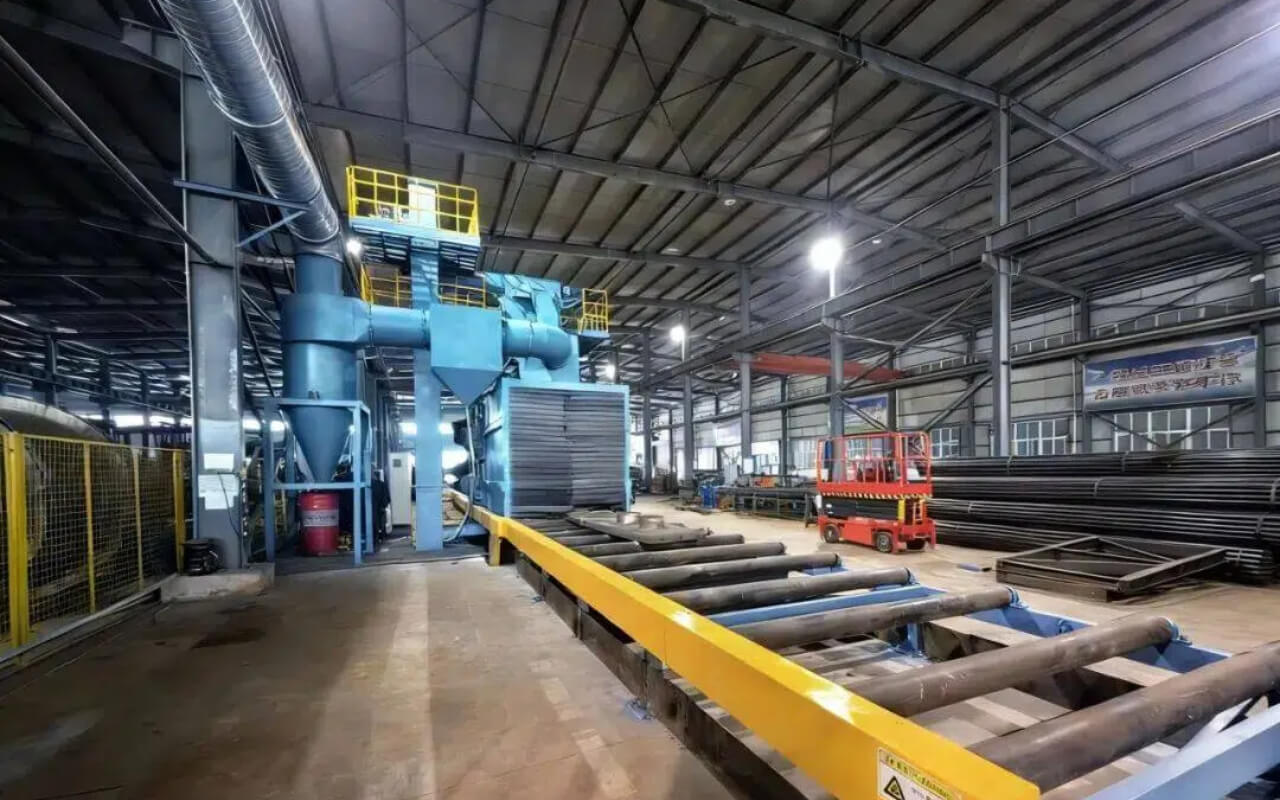
Want cleaner, stronger metal parts and lower operating costs? Proper maintenance of your shot blasting machine is the key. Quick overview: media is fed from a hopper into a spinning wheel and blades that fling it at the part. Used media and debris are recovered, screened and separated — then the clean media goes back for reuse. Keep the blast unit, impeller, blades and feed systems in top shape and choose the right media size/mix to get the best results.
Learn more or schedule a maintenance check today!
How it works:
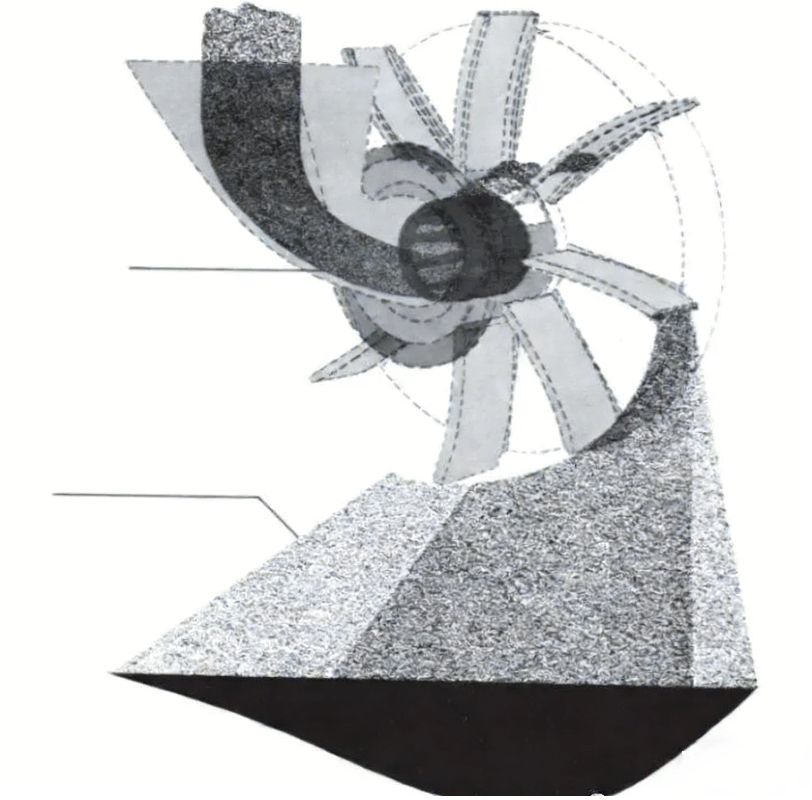
Shot flows by gravity from a hopper into a high-speed distribution wheel. The wheel directs shot into a rotating impeller/blades, which accelerate the media into a fan-shaped stream. Centrifugal force propels shot at the workpiece to clean and strengthen surfaces. Spent media and contaminants fall into a recovery hopper, are conveyed to a separator (trommel screen, screw conveyor and gravity separator as required), contaminants and undersized media are removed, and clean shot returns to the hopper for reuse.
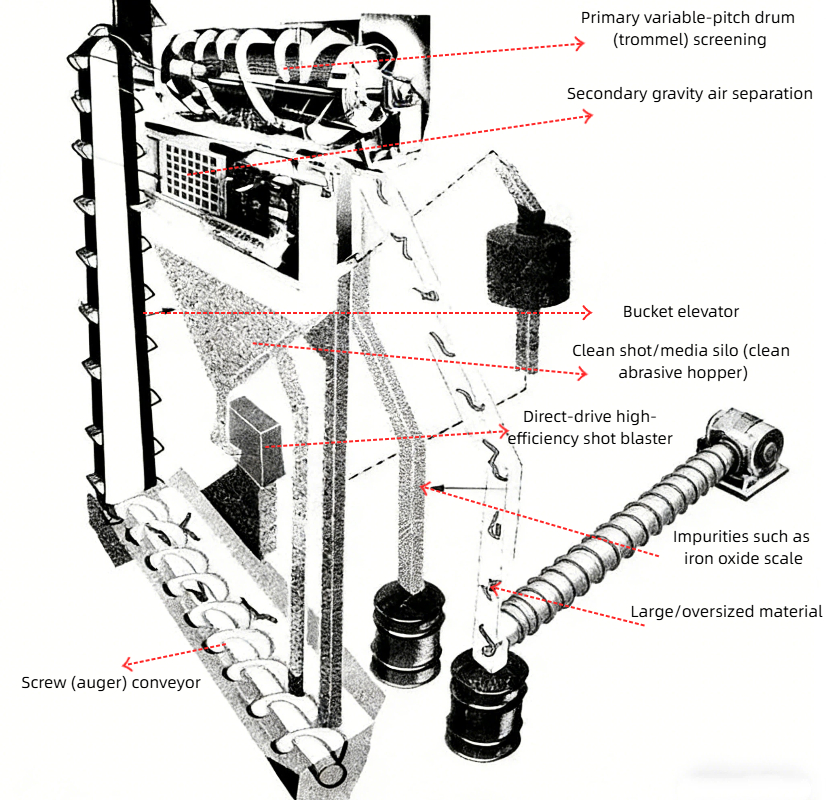
Key subsystems: blast unit (blast wheel), media hopper, material-handling/fixturing, media recovery and cleaning, dust collection and ductwork, and the right media type/size/mix.
Why maintenance matters:
Blast unit performance depends on media condition and mix, media size, exit velocity, flow rate, throw direction and the condition of feed inlets, impeller, blades, directing sleeves and distribution wheels. Regular adjustment and upkeep maximize efficiency and life-cycle value. Call to action: Contact us for inspection, preventive maintenance packages, or to optimize your shot blasting process.


