

 English
 Español
 Português
 Русский
 عربي
عربي Türkçe
 Deutsch
 Polski
 Français
 Italiano
 Tiếng Việt
Stop Water Spots Ruining Your E-Coat — Fixes Every Coating Pro Needs
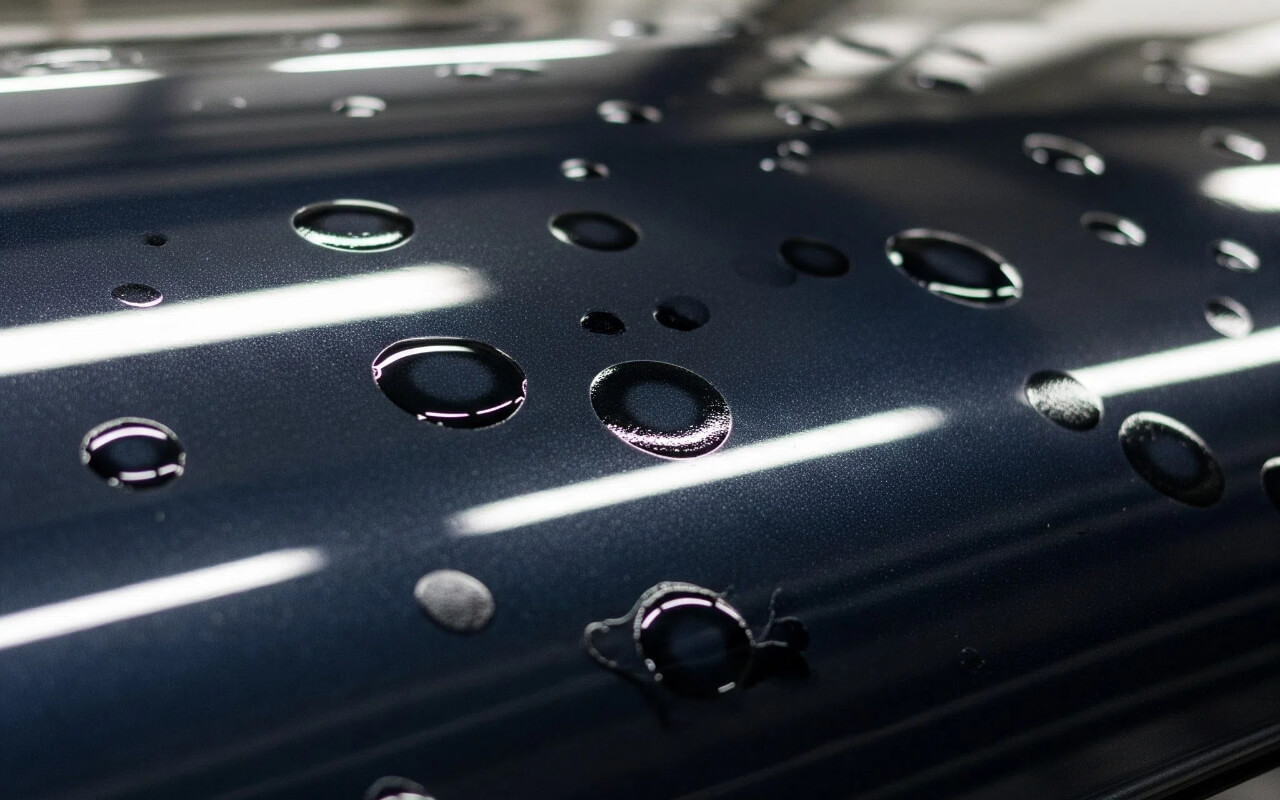
Deep analysis of "water-spot–like" defects appearing on product surfaces after pretreatment and cathodic electrodeposition — causes every coating expert should know
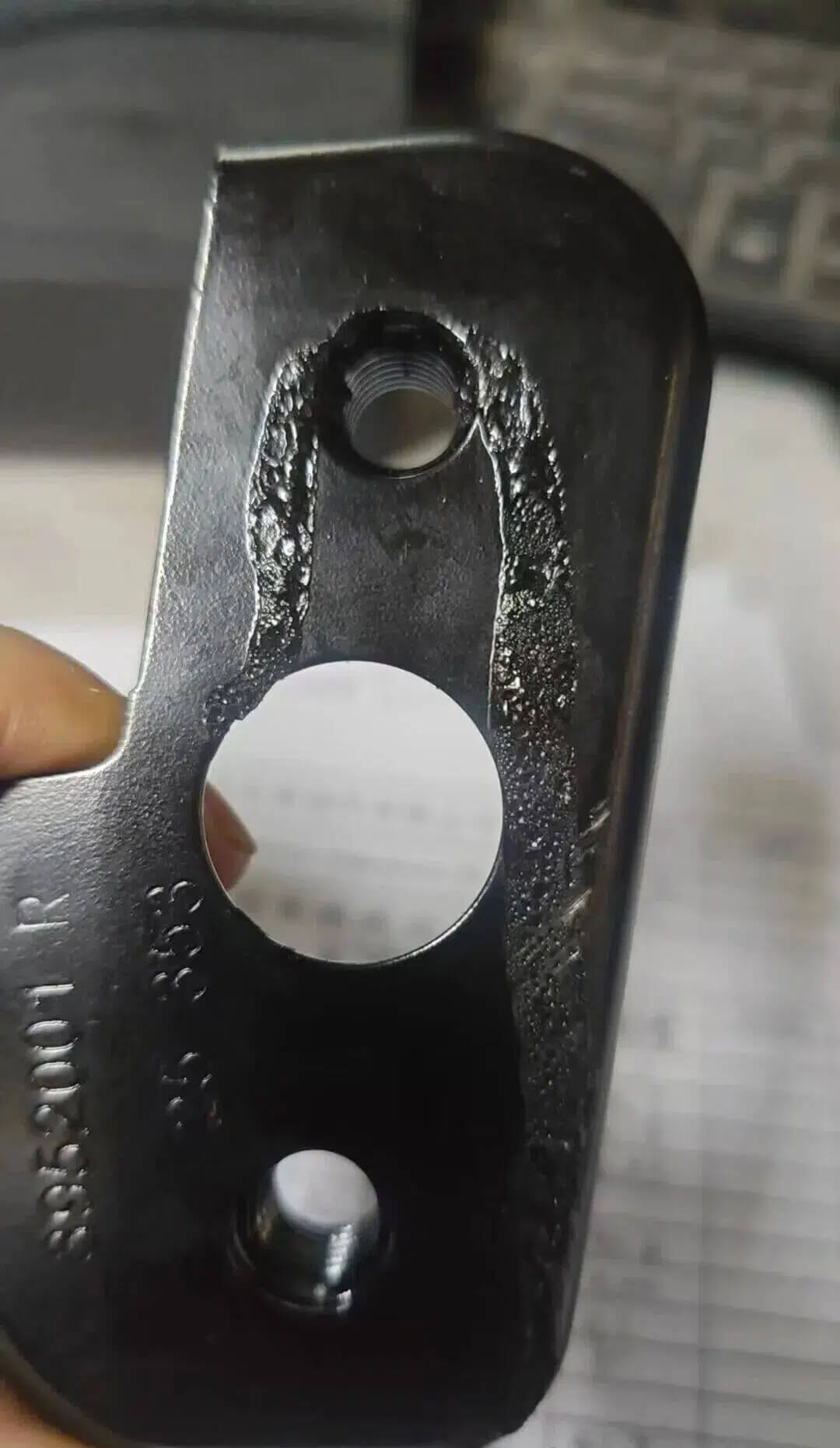
Today's coating technical share analyzes the causes of "water-spot–like" defects that appear on product surfaces after pretreatment and cathodic electrodeposition. If you find this useful, please follow and save — let's learn and discuss together.
The "water-spot" defect rarely originates from the e-coating itself; it is almost always caused by abnormal water films or contaminants adhering to the workpiece surface during pre- or post-electrophoresis processes.
Definition: A water-spot is an area in the wet e-coating film (before curing) where composition, concentration or physical state is uneven. During baking these areas flow, cross-link, or evaporate differently, and after curing they show differences in gloss, smoothness, or color — often shaped like marks left by evaporated droplets.
Core root cause: surface state non-uniformity. Any factor that locally changes conductivity, wettability or chemical composition relative to surrounding normal areas will disturb uniform electrodeposition and sow the seeds of water spots.
Below is a process-by-process analysis:
I. Pretreatment stage
Structural and process-related trapped water (“hidden water”) This is the most common and direct cause. Parts with weld seams, threaded holes, pits, folded edges, blind tubes, etc., can trap rinse water after the final wash. Although not visibly dripping before the e-coat tank, trapped water can slowly release during e-coating or draining and contaminate nearby surfaces. Process causes include poor fixture design and incorrect hanging angle that prevent drainage; insufficient spray pressure or blocked nozzles causing incomplete rinsing.
Incomplete rinsing and poor water quality Chemical residues: degreasers (especially silicate types), phosphating solutions (phosphate, accelerators) not fully rinsed off. These residues are hygroscopic or surfactant-like, locally altering substrate conductivity and surface tension, causing electrodeposition anomalies. Pure water quality out of spec: final rinse conductivity too high (ideal < 10 µS/cm). High conductivity means Ca²⁺, Mg²⁺, Cl⁻, SO₄²⁻ etc. are present. After evaporation these ions leave invisible “salt traces” that act as obstacles to e-coating deposition.
Abnormal phosphate conversion coating Non-uniform, too thin, or contaminated phosphate layers cause microscopic conductivity differences. Phosphate sludge left on the surface is more hydrophilic than normal phosphate film.
Insufficient pre-drying (moisture drying) Insufficient oven temperature/time or poor hot-air circulation after pretreatment fails to remove surface and trapped moisture, especially in complex geometries, so slightly damp parts enter the e-coat tank.
II. Electrodeposition and bath management
Bath contamination: phosphate, sodium ions, oils, etc., carried in from pretreatment accumulate and destabilize the bath. These contaminants may adsorb selectively on part surfaces.
Bath parameter imbalance Low solvent content: reduces wetting and flow, lowers ability to hide micro-defects. Improper neutralization (MEQ) or pH drift: affects resin solubility and deposition efficiency. Abnormally high conductivity: indicator of impurity ions intrusion.
III. Post-electrodeposition washing and draining
UF or DI rinse not removing loose wet paint: floating/loose particles not electrodeposited remain on the surface, migrate and gather before baking, and cure into spots.
Rinse water contamination: high conductivity or impurities in UF or final rinse water leave residual droplets that are contamination sources.
Poor draining zone environment (key cause of classic "condensation water spots")High ambient humidity and low temperature: when e-coated wet parts wait in the draining zone before the oven, if part surface temperature is below the dew point, moisture condenses as droplets on the wet film. This produces very regular, droplet-shaped circular water spots.
IV. Baking and curing stage
Improper oven temperature profile: low preheat (gel) zone temperature or too slow ramp keeps wet film uncured for longer, allowing moisture, solvents or contaminants to migrate and concentrate, amplifying non-uniformities.
Oven atmosphere contamination or dripping: combustion gases leaking from gas ovens, or condensate dripping from the oven roof, contaminate paint during curing.
That concludes today's share: causes analysis of "water-spot–like" defects after pretreatment and cathodic electrodeposition.
Keywords: water spot, e-coating defects, cathodic electrodeposition, pretreatment, trapped water, rinse water quality, phosphate coating, bath contamination, dew point condensation, oven profile
#ECoating #WaterSpots #Electrodeposition #SurfaceDefects #Pretreatment #RinseWaterQuality #PhosphateCoating #CoatingProcess


