

 English
 Español
 Português
 Русский
 عربي
عربي Türkçe
 Deutsch
 Polski
 Français
 Italiano
 Tiếng Việt
Troubleshooting Common Coating Failures in Automotive Refinishing
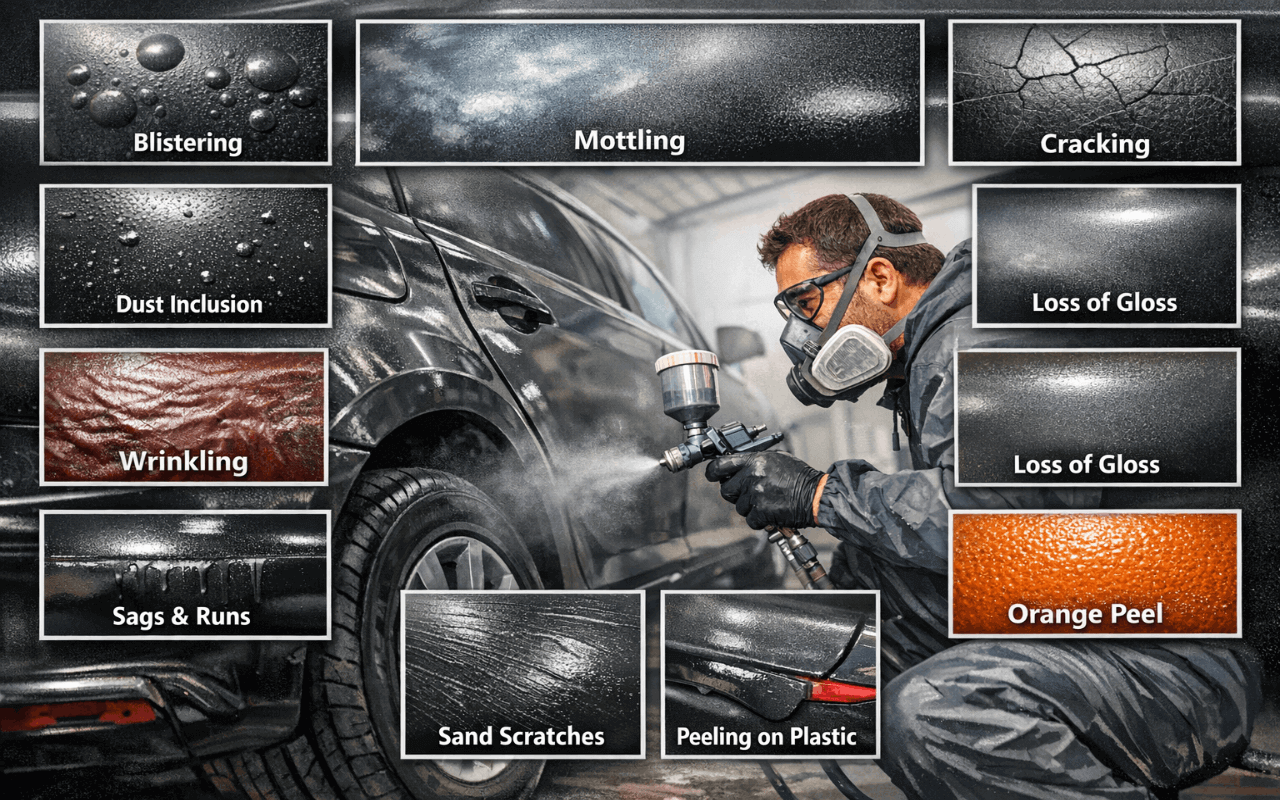
Common Paint Defects and Their Causes
1. Blistering: Circular bubbles or blisters appearing on the paint surface, usually in seam areas, dead corners, or on surfaces with thick body filler. 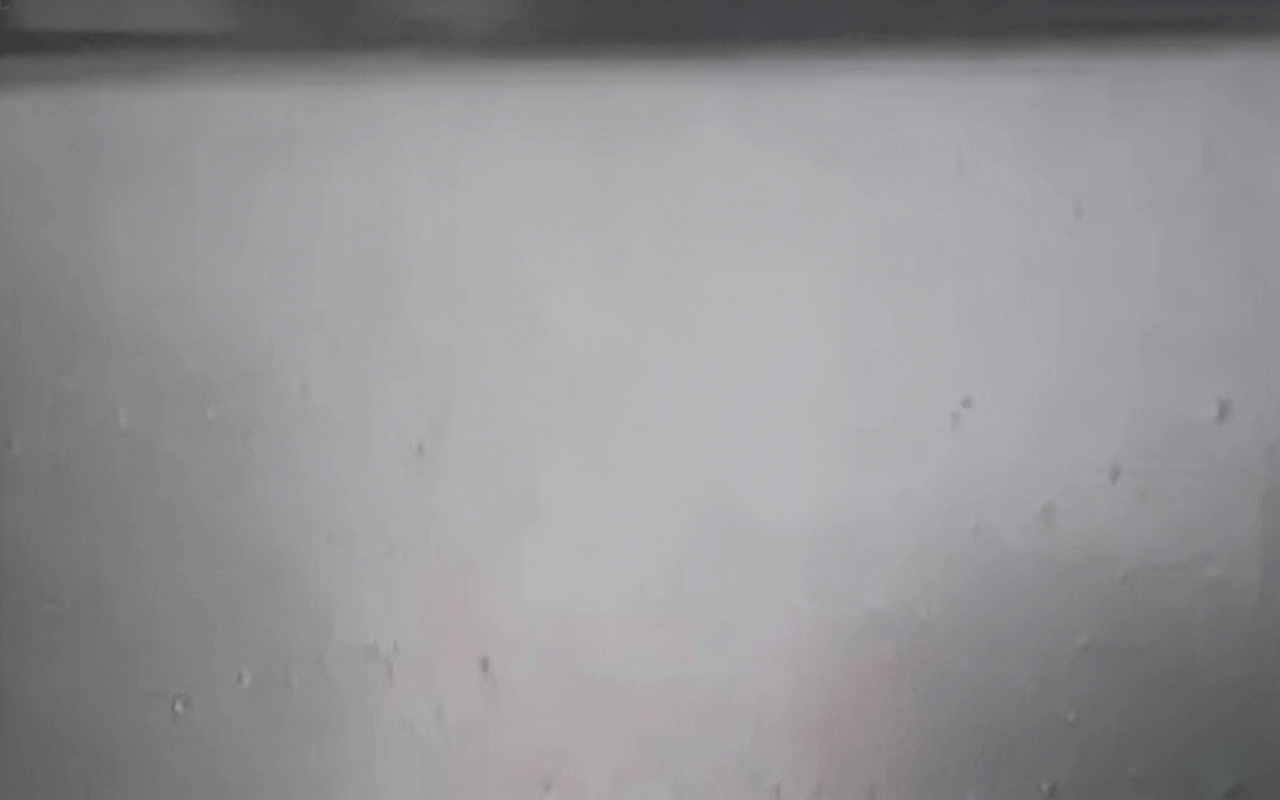
• Causes: Improper application of primer or body filler; use of low-quality or insufficient thinners; excessive compressed air pressure; or paint film bridging over gaps, creating air pockets underneath.
2. Mottling (Clouding): Generally occurring in metallic paints, where the color turns white and cloudy. Also known as spotting or fogging.
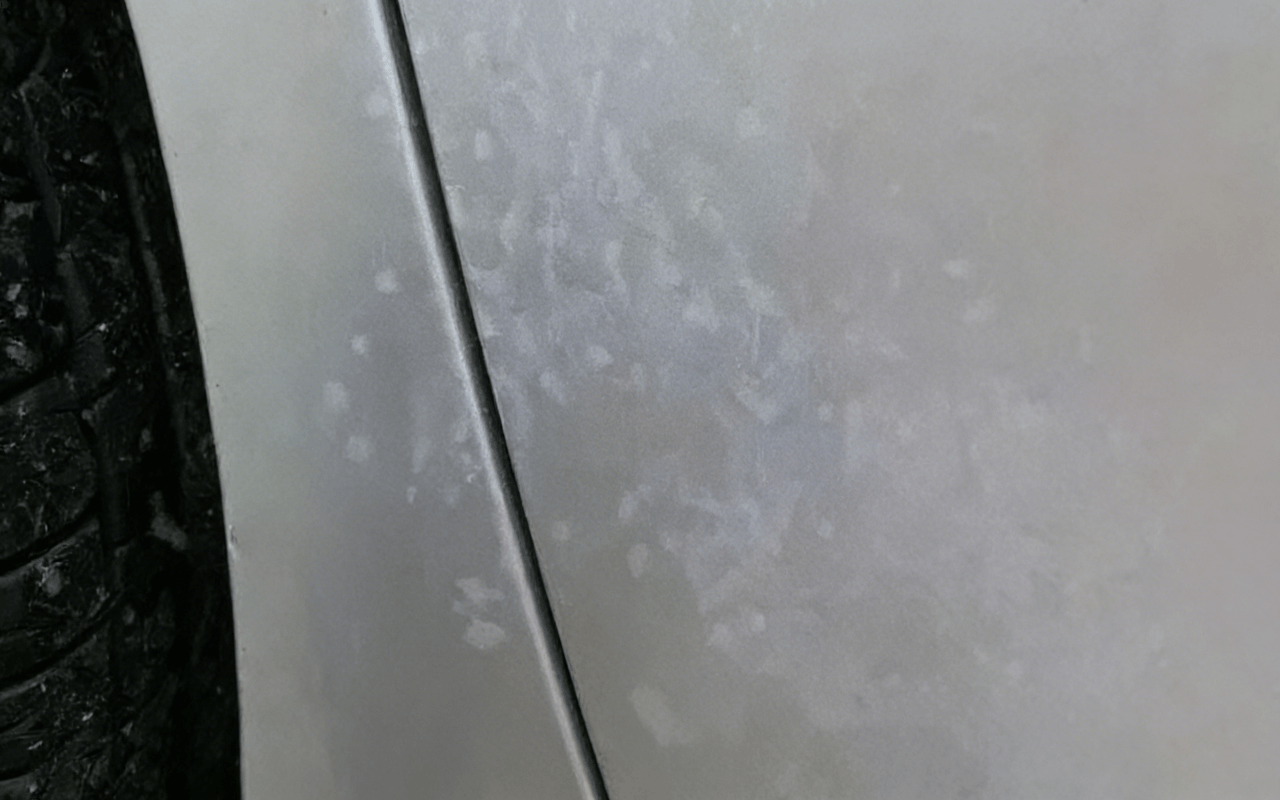
• Causes: Mismatched hardeners (especially fast-drying thinners); improper spray gun adjustment; paint layers that are too thick with insufficient flash-off time; or incorrect drying methods.
3. Cracking: Irregular breaks or cracks in the paint, typically near gaps or edges.
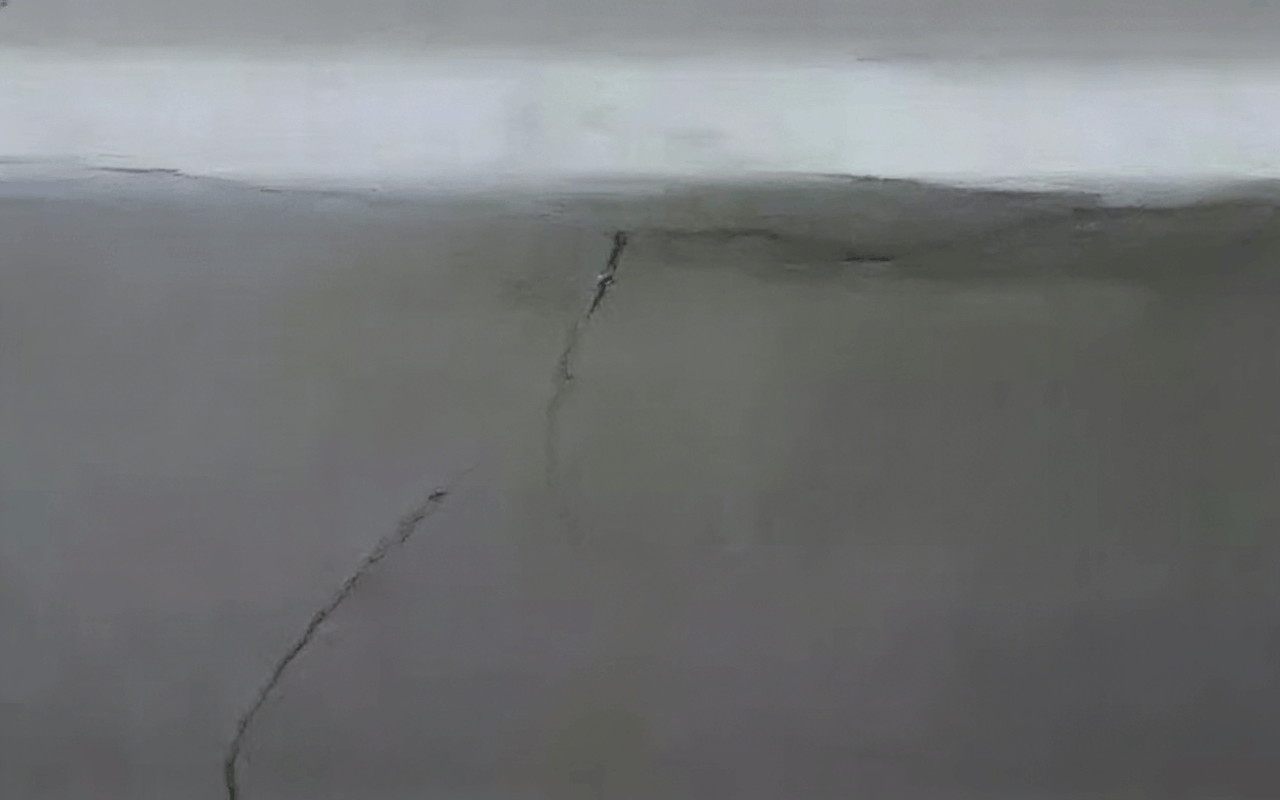
• Causes: Uneven mixing of paint materials; oil or water contamination in compressed air; or excessive film thickness with insufficient leveling time.
4. Dust Inclusion (Pitting): The paint feels rough to the touch, as if impurities are trapped within or covered by the film.
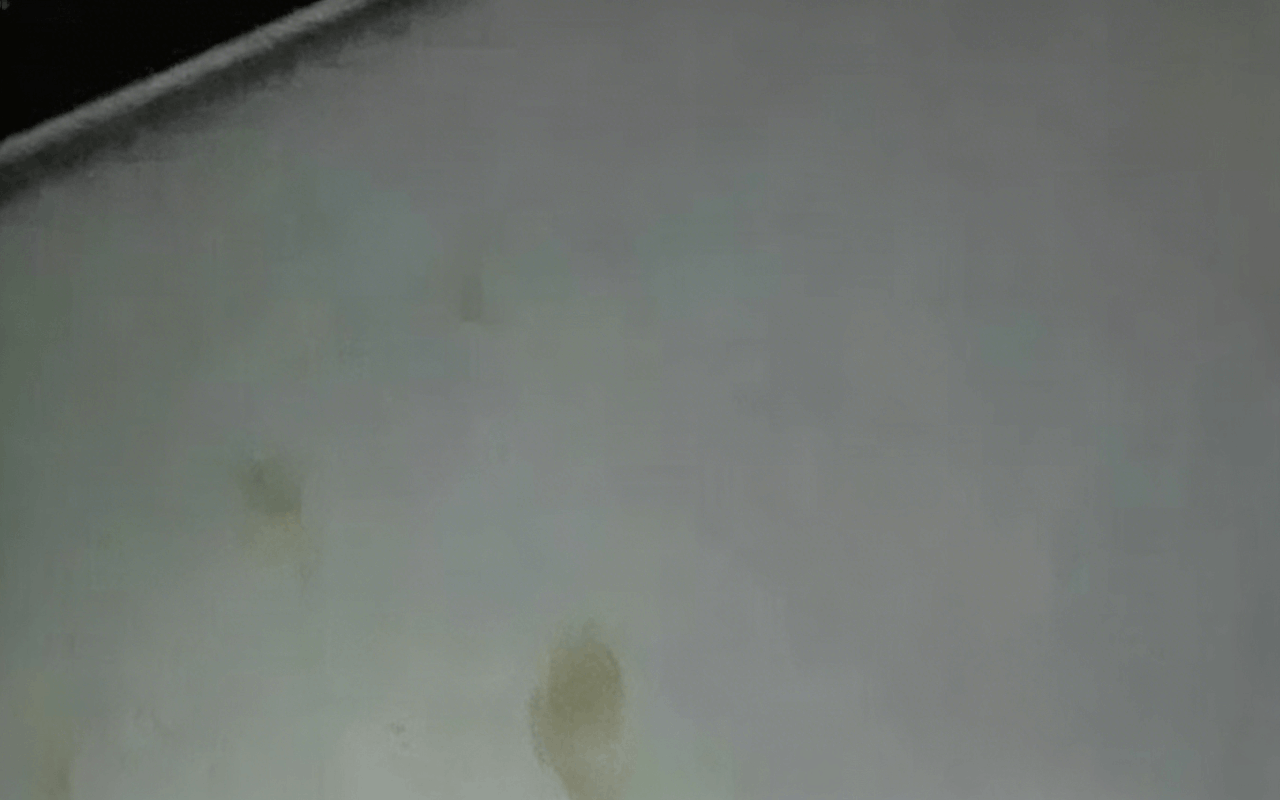
• Causes: Inadequate surface cleaning before painting; or a dirty environment with micro-particles in the air.
5. Loss of Gloss: The surface is smooth and flat but lacks shine.
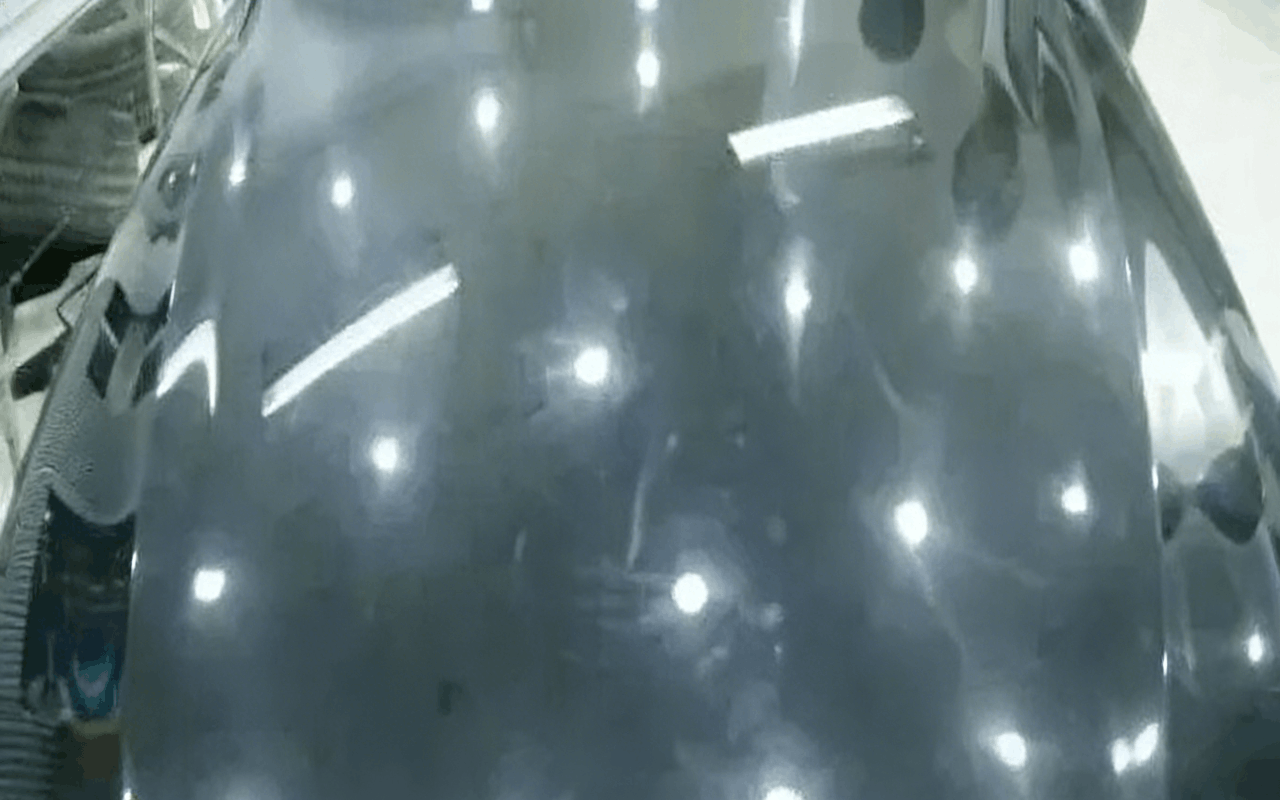
• Causes: Poor primer adhesion or applying topcoat before the primer is dry; ambient temperature being too low or humidity too high (slowing drying time); or contamination by wax or oil.
6. Wrinkling: Ridges or wrinkles of varying degrees appearing on the surface, resembling skin folds.
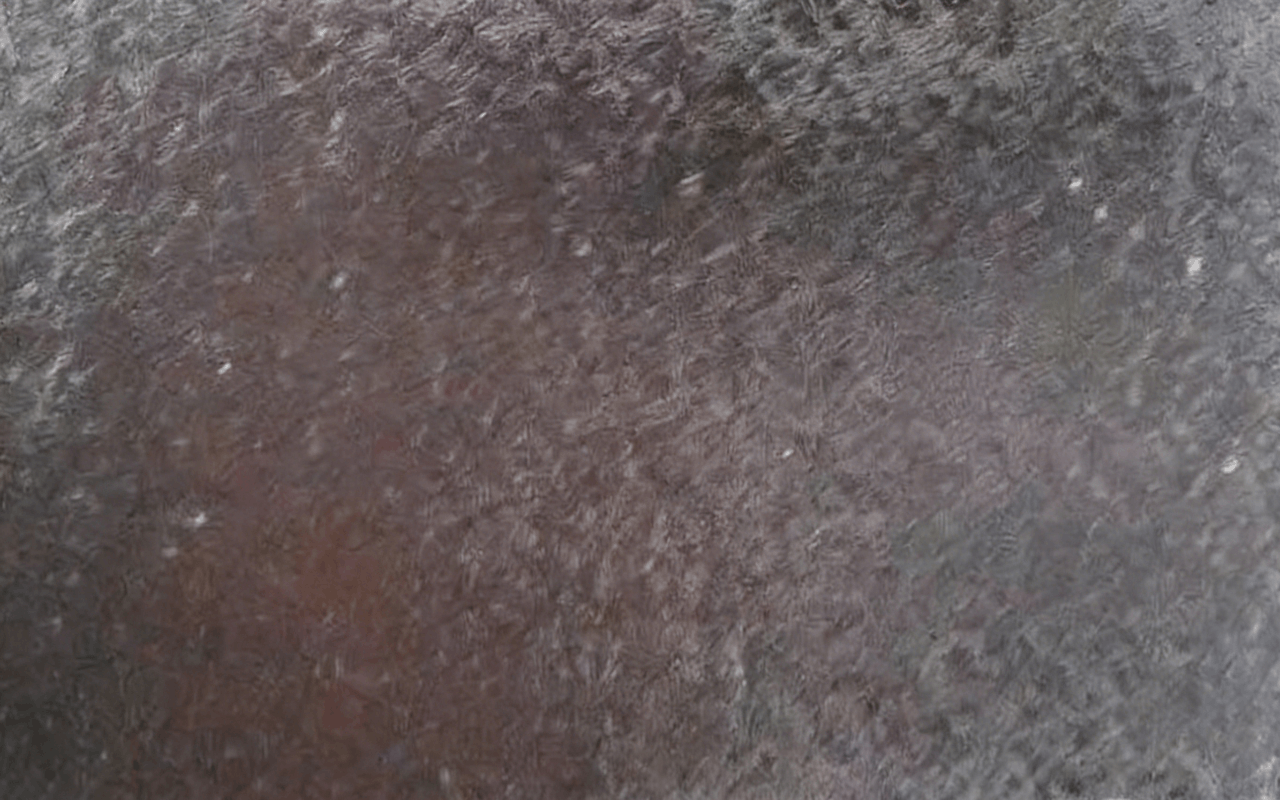
• Causes: Drying speed is too fast or caused by improper forced drying.
7. Sags and Runs (Curtaining): Localized thickening of the paint, usually on steep or vertical surfaces.
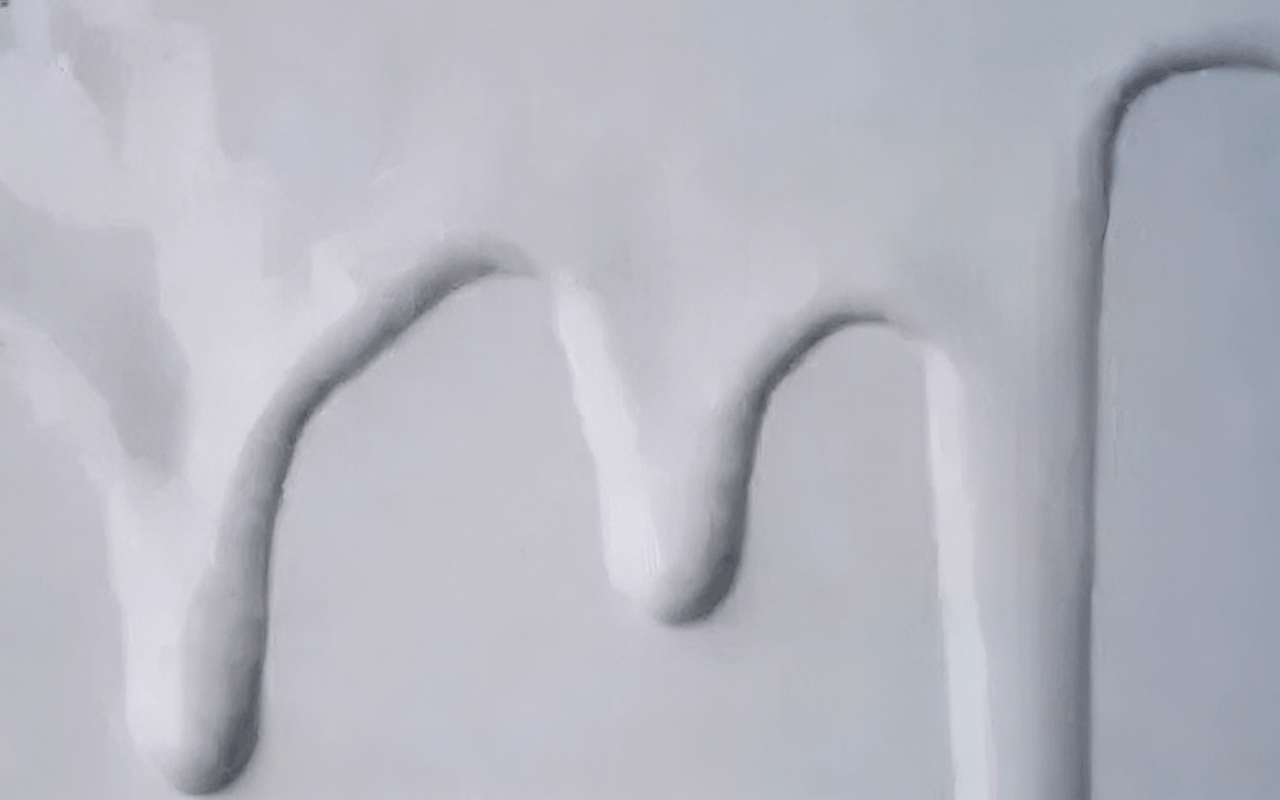
• Causes: Paint film is too thick; paint viscosity is too low; the substrate temperature is too low; or oil contamination on the primer.
8. Sand Scratches: The surface is smooth, but sanding marks are visible through the topcoat.
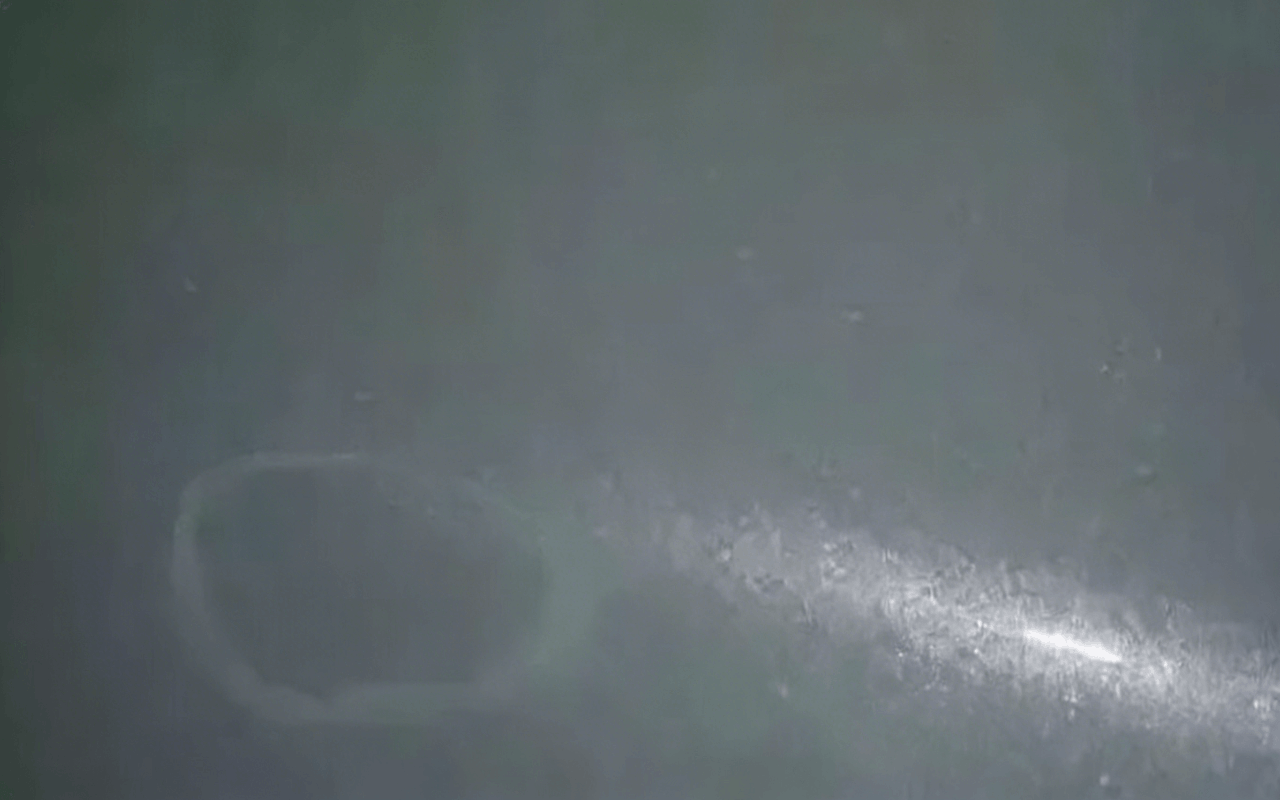
• Causes: Improper primer surface preparation; insufficient film thickness; or unevenly mixed paint.
9. Orange Peel: The surface is bumpy and uneven, resembling the texture of an orange skin.
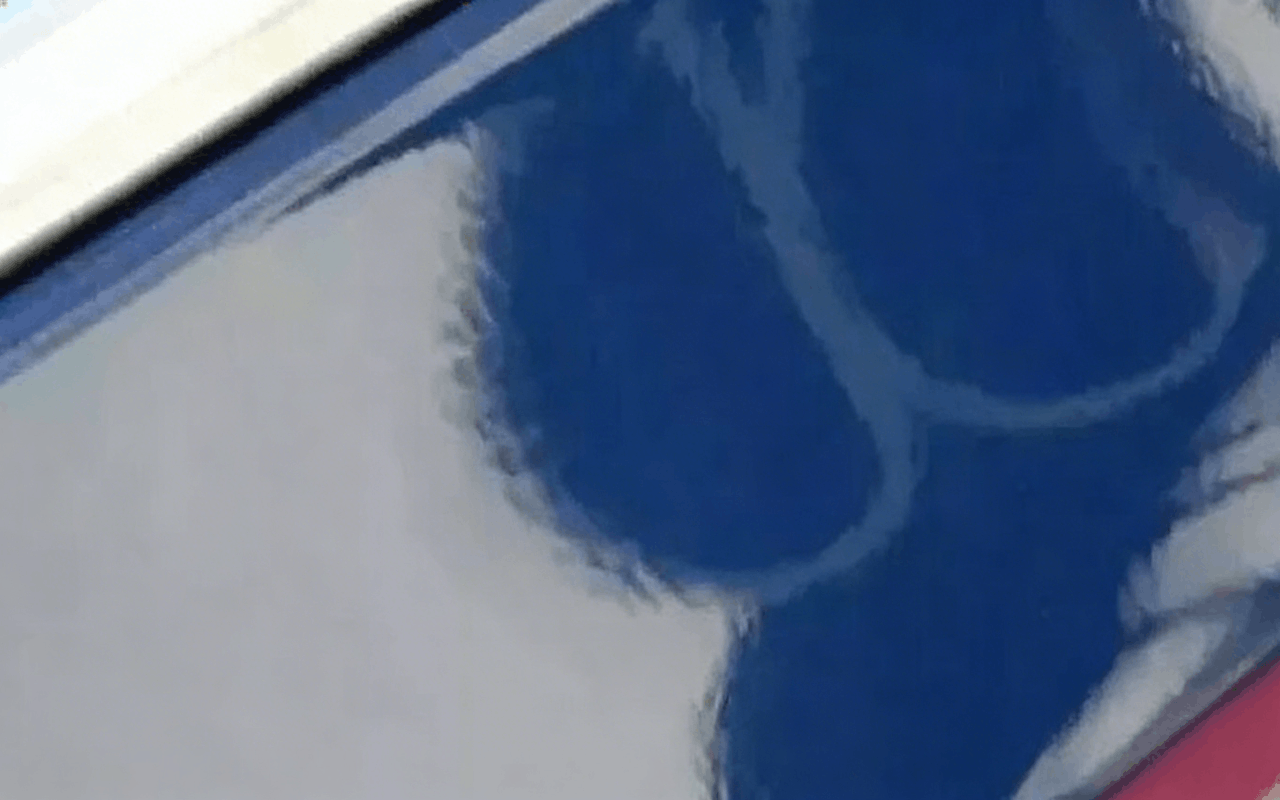
• Causes: Improper spraying technique; insufficient leveling time between layers; or the substrate temperature is too high.
10. Peeling on Plastic Parts: Loss of adhesion between the paint layer and plastic components, usually occurring some time after painting.
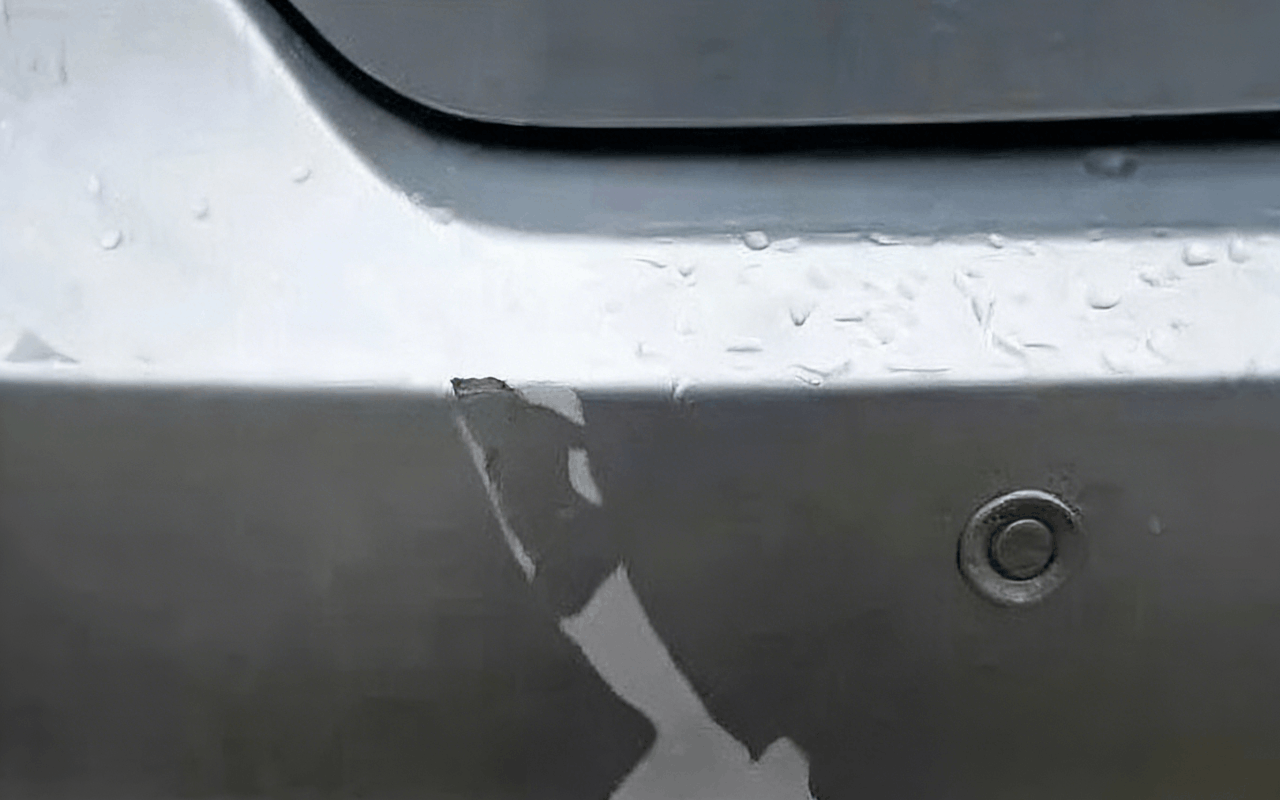
• Causes: Inadequate cleaning; or failure to use the correct primer or topcoat specifically for plastics.

Keywords: Automotive Refinishing, Paint Defects, Spray Painting Troubleshooting, Coating Quality, Orange Peel, Paint Blistering, Surface Preparation, Metallic Paint Mottling.
Hashtags: #AutomotivePainting #PaintCorrection #BodyShopLife #RefinishCulture #PaintingTips #CoatingDefects #CarDetailing #ShengTaiEquipment #SprayBooth #QualityControl


