

 English
 Español
 Português
 Русский
 عربي
عربي Türkçe
 Deutsch
 Polski
 Français
 Italiano
 Tiếng Việt
What Are the Benefits of an Automated Powder Coating Line in Modern Factories?

Automation Lines: Reducing Costs, Boosting Efficiency, and Ensuring Consistent Quality
In today's wave of manufacturing transformation and industrial upgrading, automated production lines—especially automated powder coating lines—have become a critical engine for enhancing factory competitiveness and achieving sustainable growth.
Automation is no longer just about replacing manual equipment; it represents a comprehensive shift in production models, cost structures, and workforce roles.
For factory managers, understanding the core value of automation is essential for making informed decisions and optimizing operations. For frontline workers, adapting to new responsibilities within automated environments is key to long-term career development.
Part 1: Core Value of Introducing an Automated Production Line
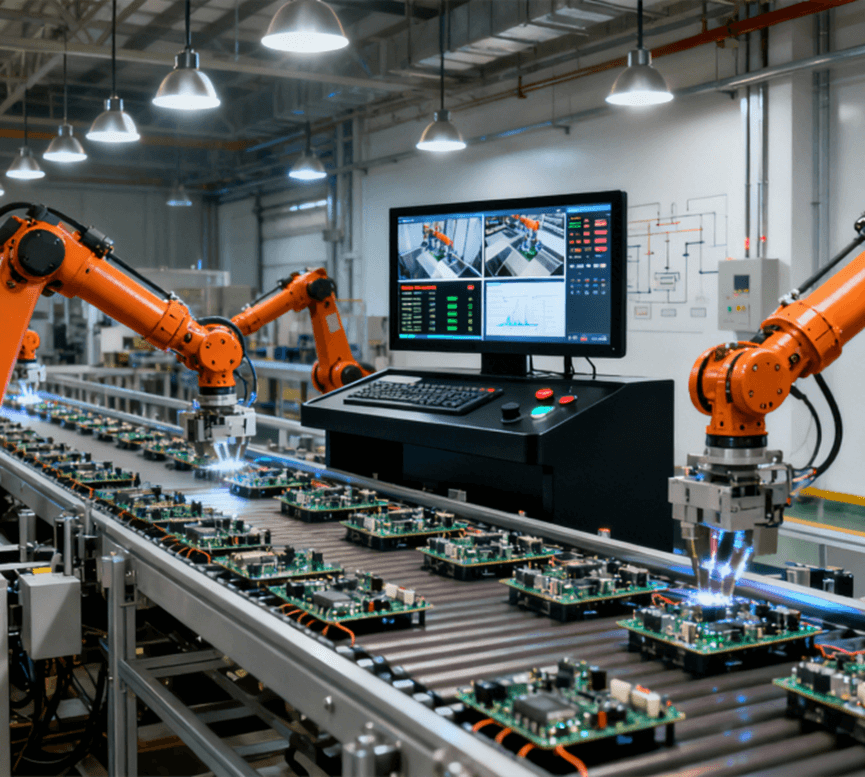
Implementing an automated powder coating line is not merely an equipment upgrade—it is a strategic move to stay competitive in a rapidly evolving industry. Its value can be summarized across four key dimensions:
1. Significant Leap in Production Efficiency
Automated systems can operate 24/7 without interruption, eliminating downtime caused by fatigue, breaks, or human limitations. This dramatically increases output per unit time and maximizes productivity.
2. Precise and Consistent Product Quality
Automation delivers a level of precision far beyond manual operations. It minimizes human error, reduces defects, and ensures stable, consistent product quality—critical for brand reputation and customer satisfaction.
3. Continuous Optimization of Overall Costs
Although the initial investment may be higher, automated systems reduce long-term labor costs, including wages and benefits. In addition, improved quality stability lowers scrap rates and rework costs, resulting in better overall cost efficiency.
4. Flexible and Fast Market Response
Automated lines allow quick switching between product types and specifications. This flexibility enables manufacturers to efficiently handle small-batch, multi-variety orders and respond faster to changing market demands.
Part 2: Key Responsibilities of Workers in an Automated Environment
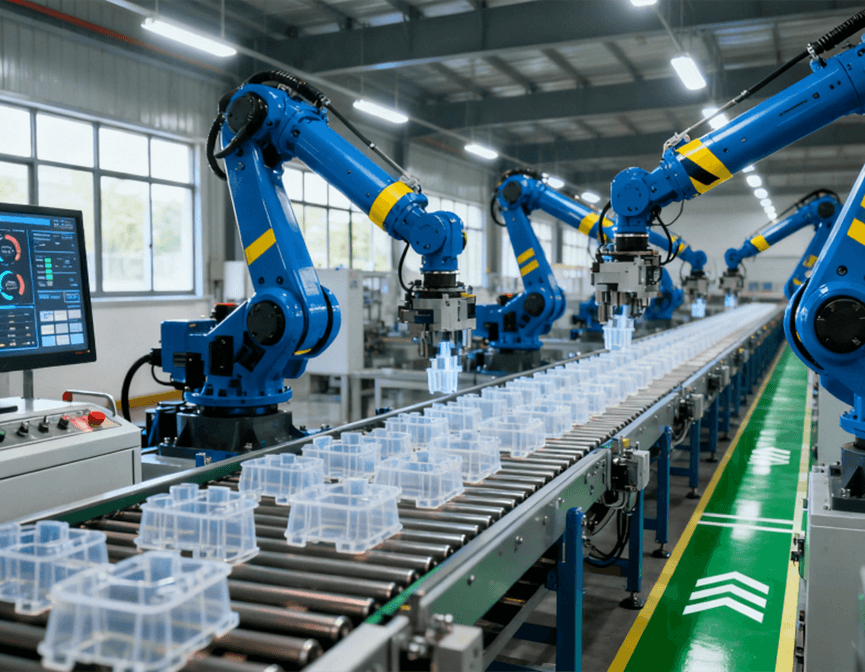
Automation does not mean a "worker-free factory." Instead, it transforms workers' roles—shifting them from repetitive, labor-intensive tasks to higher-value functions such as monitoring, adjustment, and maintenance.
1. Equipment Monitoring and Adjustment
Operators oversee the real-time performance of the production line through control systems. They monitor key parameters and make adjustments when minor deviations occur or when switching production tasks.
2. Quality Inspection and Issue Handling
Workers conduct regular sampling inspections to ensure products meet quality standards. If abnormalities or equipment faults are detected, they must stop the line, report issues, and document incidents for further analysis.
3. Equipment Maintenance and Operational Support
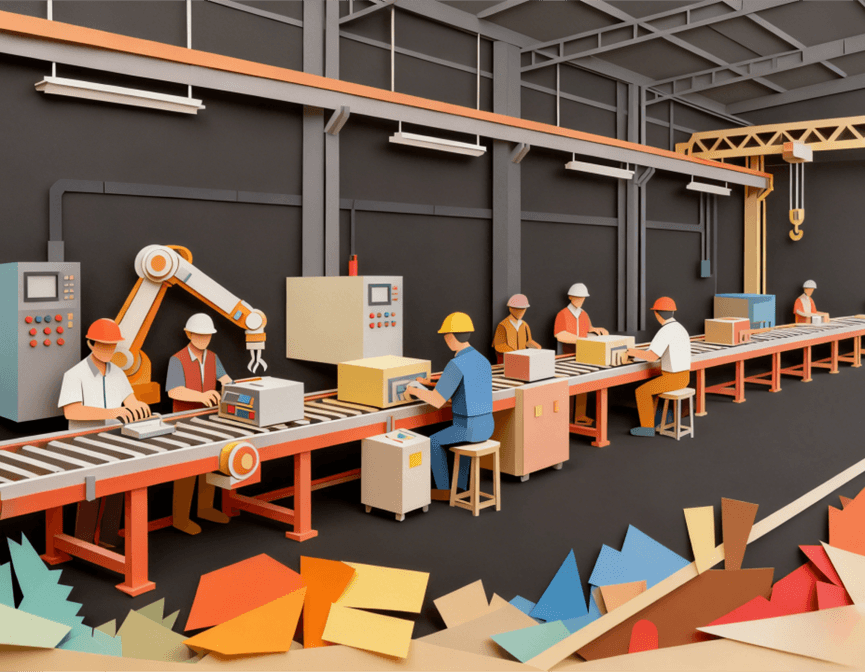
Routine maintenance tasks—such as cleaning, lubrication, and replacing wear parts—are essential. Workers also perform pre-operation checks to ensure all components are functioning properly, guaranteeing safe and stable production.
Conclusion
Automated powder coating lines are reshaping modern manufacturing by delivering higher efficiency, better quality, and lower operational costs. At the same time, they redefine the role of human workers, emphasizing technical skills and system management.
For companies aiming to stay competitive in the era of smart manufacturing, investing in automation is no longer optional—it is a strategic necessity.


