

 English
 Español
 Português
 Русский
 عربي
عربي Türkçe
 Deutsch
 Polski
 Français
 Italiano
 Tiếng Việt
What is liquid ceramic coating and How long does it last?

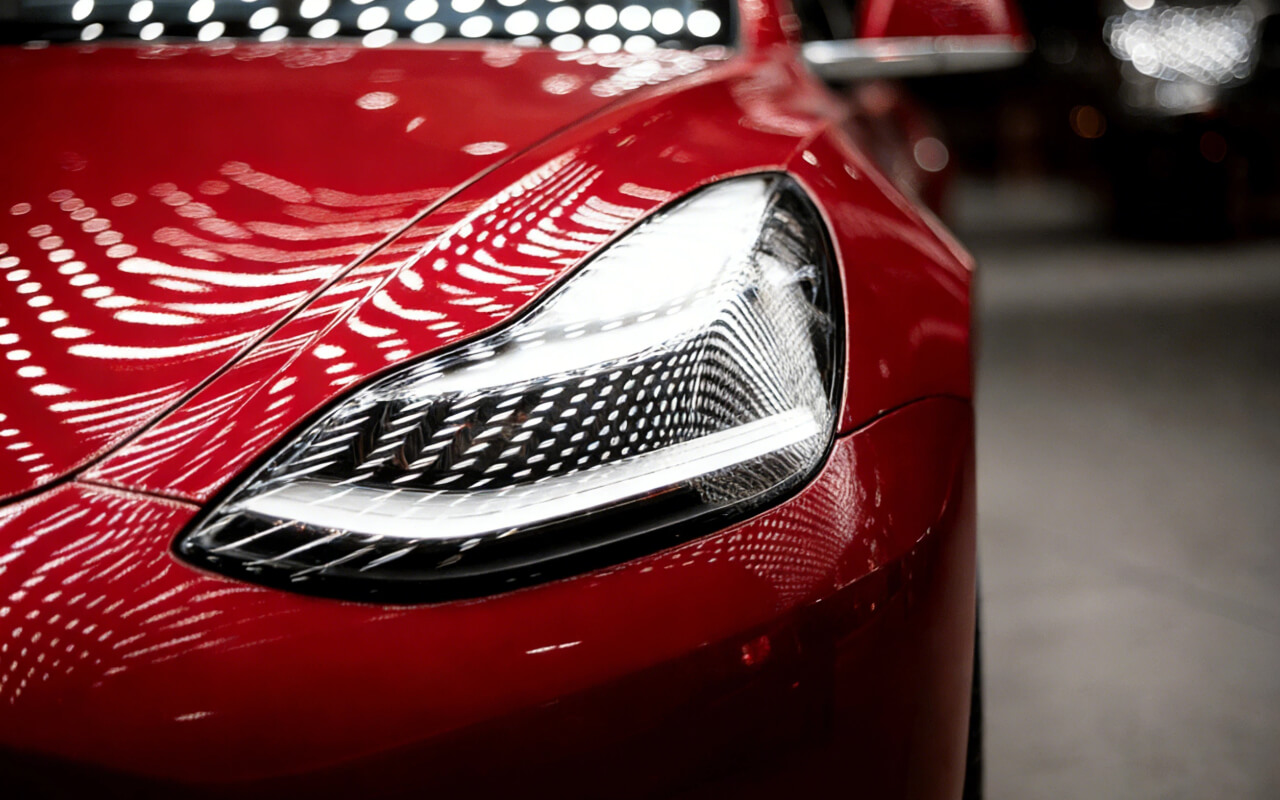
Liquid ceramic coating is an advanced surface treatment technology designed to protect automotive paint, wheels, and metal components. Using nano-scale ceramic particles—primarily silicon dioxide (SiO₂)—this coating forms a durable, transparent protective layer that bonds at the molecular level with the vehicle surface.
Unlike traditional waxes or sealants, ceramic coatings do not wash away. Once cured, they deliver long-term protection, superior gloss, and easy maintenance.
How Ceramic Coatings Work
Ceramic coatings are available in several forms, including wet chemical coatings, dry film coatings, and thermal spray coatings. Their performance is determined by two key factors:
SiO₂ concentration: Higher percentages lead to stronger, more durable protection.
Coating thickness: Typically measured between 1–30 microns (μm), offering nano-level precision coverage.
Key Benefits of Liquid Ceramic Coatings
Hydrophobic performance: Repels water, dirt, and road grime, making cleaning effortless
Scratch and wear resistance: Improves surface durability
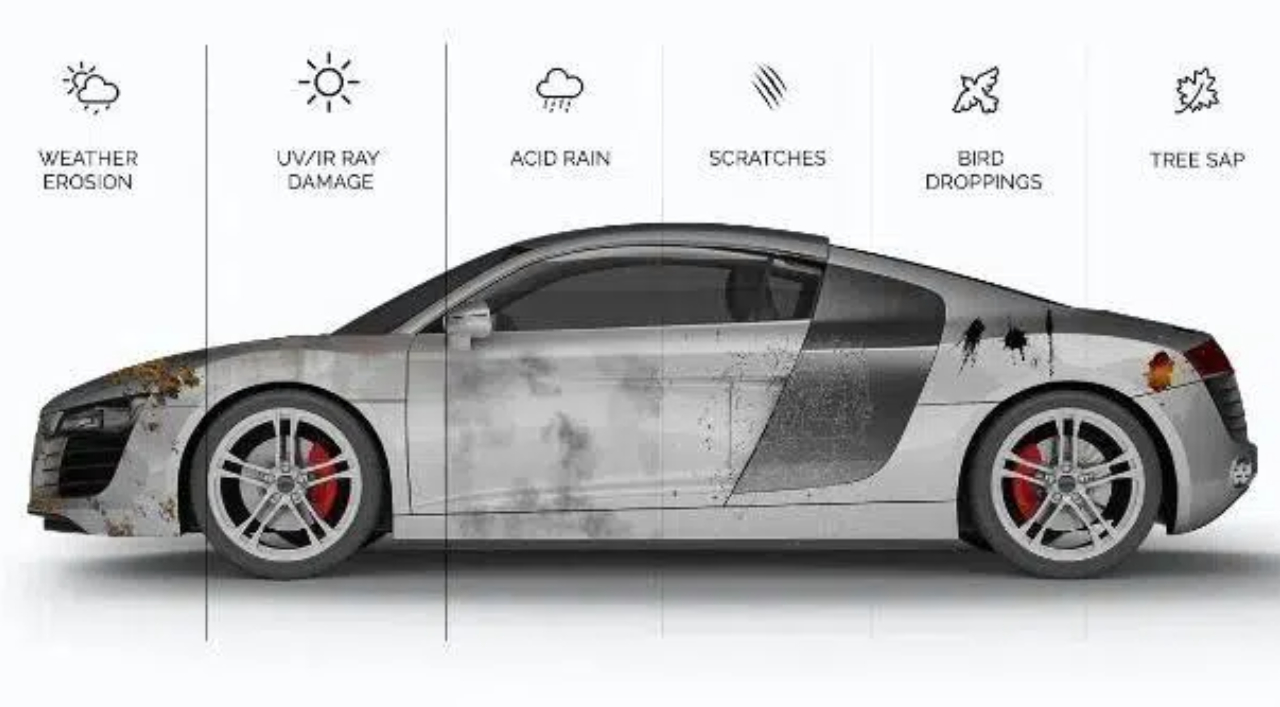
Environmental protection: Shields against UV rays, oxidation, corrosion, insect acids, and pollutants
Chemical and stain resistance: Prevents discoloration from oils and contaminants
Enhanced gloss and clarity: Deepens color and creates a smooth, mirror-like finish
Nano Ceramic Technology Advantages
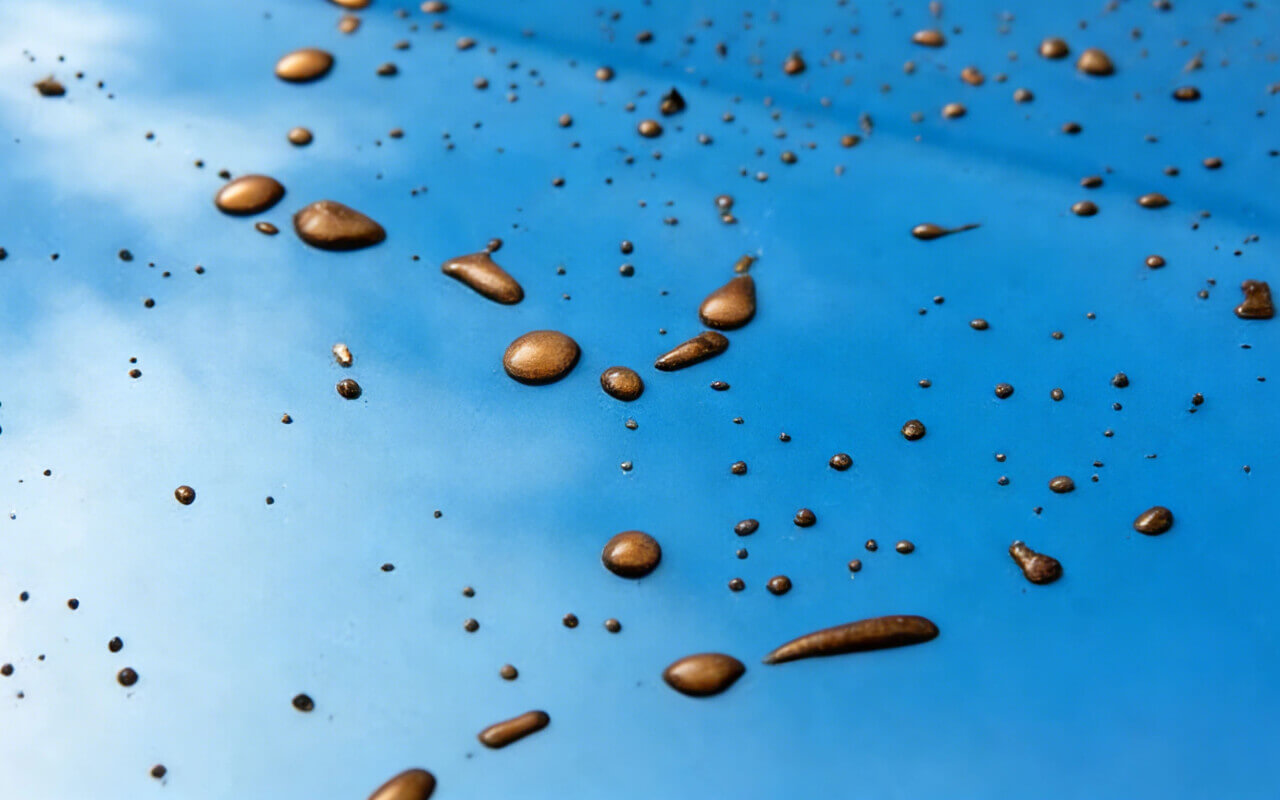
Nano ceramic coatings form an inseparable bond with paint, metal, and alloys. This molecular-level bonding provides resistance to heat, UV exposure, chemical etching, and environmental damage. Treated surfaces become highly hydrophobic, causing water and contaminants to bead and roll off easily.
Choosing the Right Ceramic Coating
Many ceramic coatings are marketed under attractive names like "Diamond Coating" or "Swirl Killer." While branding varies, performance depends on formulation—not the name.
A high-quality ceramic coating should include:
Advanced polymers for strong adhesion
High-purity SiO₂ (5%–97%) for hardness
Advanced ceramic compounds such as SiO₂, Si₃N₄, and SiC for enhanced durability
Ceramic coatings are available in DIY-grade and professional-grade options. DIY products typically contain 70%–85% SiO₂, while professional-grade coatings can reach 93%–97%.
DIY vs Professional Ceramic Coating
DIY ceramic coatings are easy to apply and ideal for enthusiasts. Spray ceramic coatings usually last 6–8 months, while full ceramic kits can provide 2–5 years of protection if applied correctly.
Professional liquid ceramic coatings require extensive surface preparation—often 3–12 hours—including paint correction. Professional services typically range from USD 500–2,000, depending on vehicle size and coating grade.
Ceramic Coating for Wheels and Brake Calipers
Wheels and brake calipers are constantly exposed to brake dust, road debris, moisture, and salt. Brake dust contains iron particles that bond to surfaces and cause corrosion.
Ceramic coating creates a protective barrier that:
Prevents brake dust adhesion
Reduces corrosion and pitting
Makes wheels and calipers easy to clean
Extends component lifespan
High-quality ceramic coating not only enhances appearance but also delivers long-term cost savings.


