

 English
 Español
 Português
 Русский
 عربي
عربي Türkçe
 Deutsch
 Polski
 Français
 Italiano
 Tiếng Việt
How Are Digitalization and AI Transforming Manufacturing Upper Computer Systems?
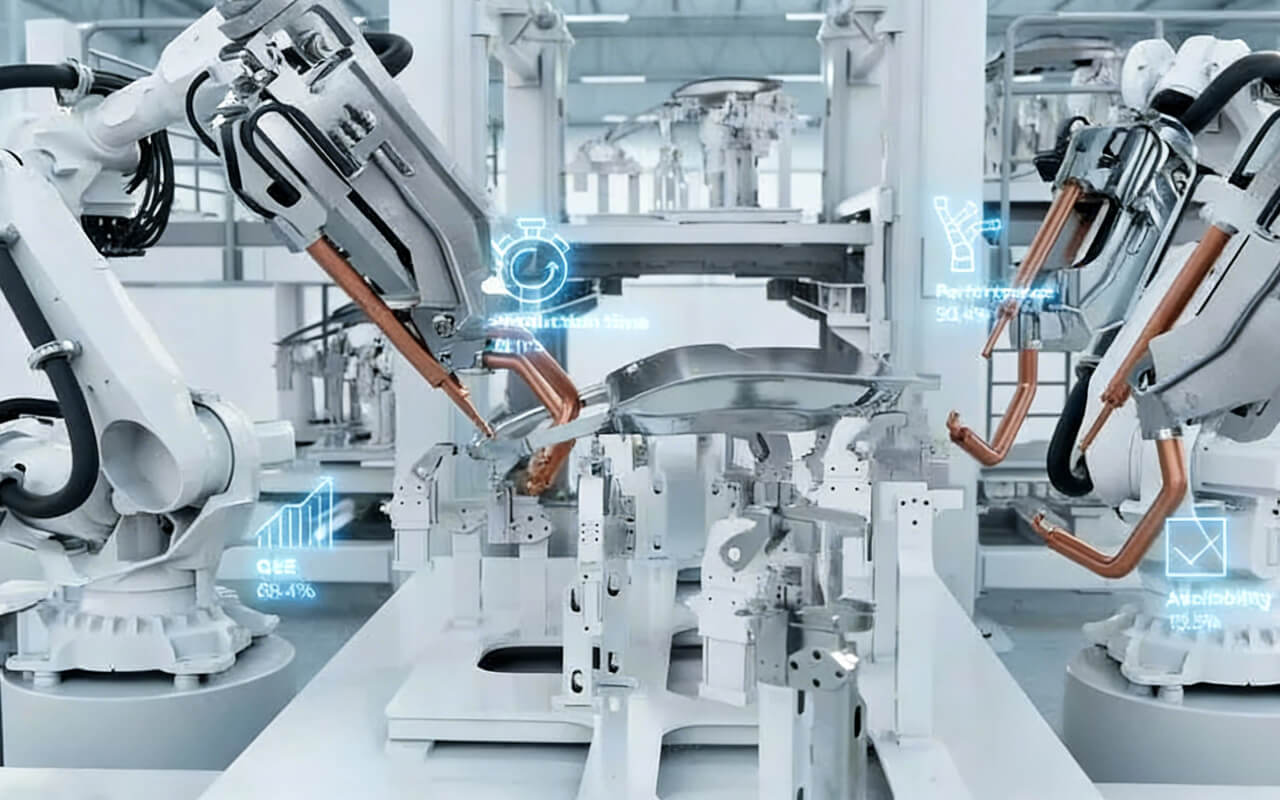
The Rise of Upper Computer Systems in Smart Manufacturing
In traditional industrial environments, many intelligent devices suffer from the problem of "data silos". While hardware such as PLC controllers and sensors can operate independently, the lack of a centralized management system often leads to inefficient manual inspections, slow fault response, and limited process optimization.
Upper computer systems (host computer systems), enhanced with Human-Machine Interfaces (HMI), are changing this landscape. By enabling real-time monitoring and visualizing key parameters—such as temperature and pressure—through intuitive dashboards, engineers can make data-driven decisions within milliseconds. This significantly improves operational efficiency and production reliability.
While conventional upper computer systems meet basic operational needs, the rise of smart manufacturing and AI technologies has unlocked far greater potential. True digital transformation must start from the foundational layer of equipment and data integration. Without this, so-called "smart manufacturing" risks becoming superficial—resulting in ineffective digital twins and unsustainable strategies.
AI-Powered Foundation: Pre-Production Intelligent Diagnostics
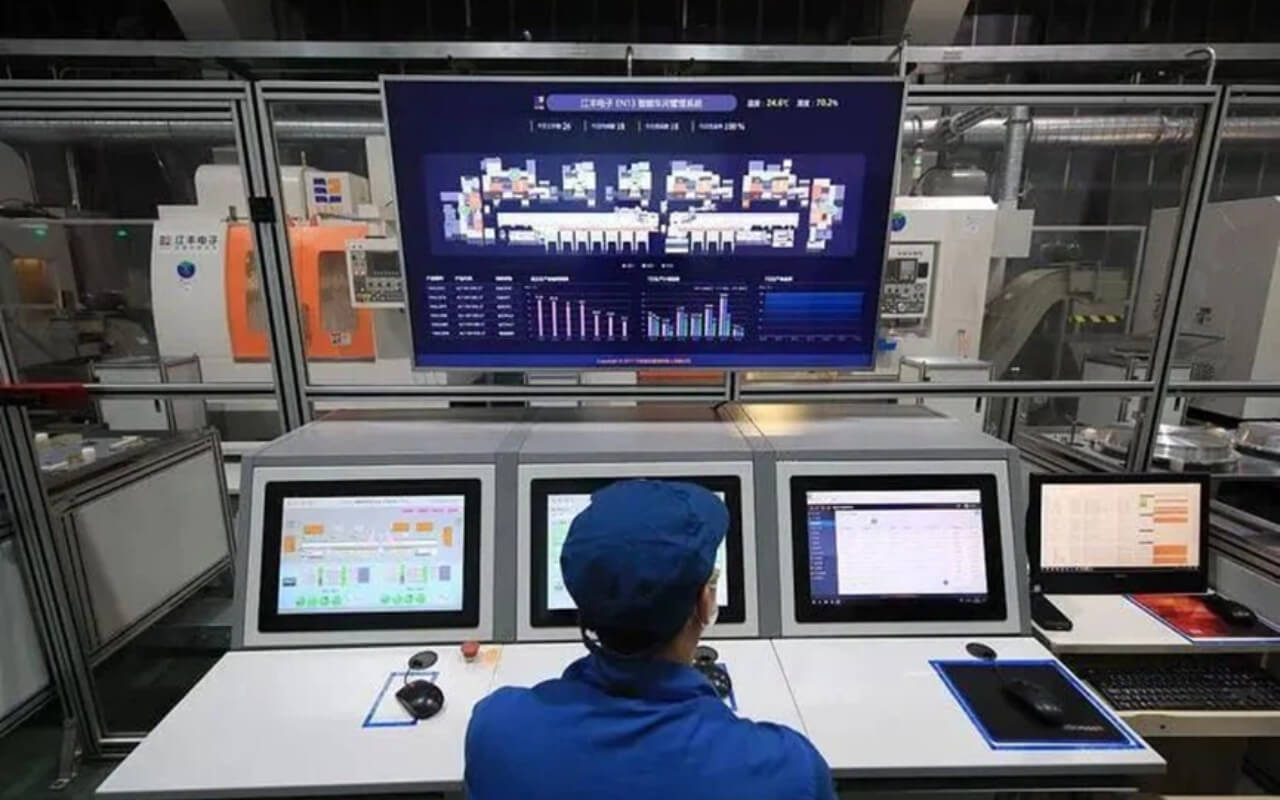
AI-enabled upper computer systems introduce pre-production self-diagnostics, dramatically reducing manual inspection time and identifying hidden risks before production begins.
1. Basic Status Diagnostics
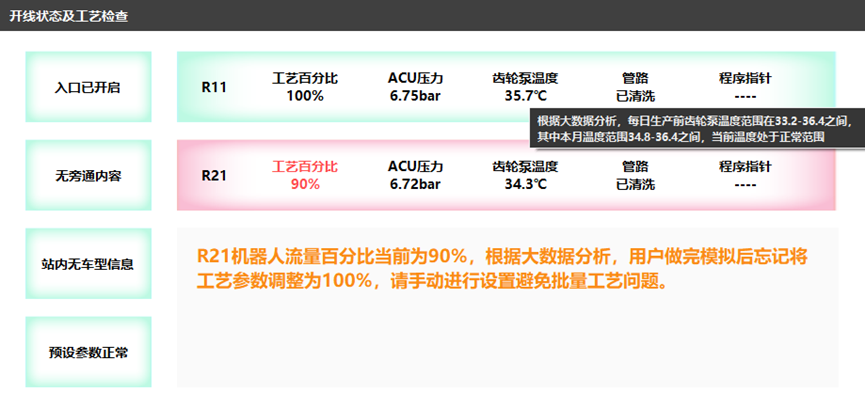
Before starting a workstation, the system evaluates its readiness. This helps operators quickly identify unmet conditions and resolve issues proactively, minimizing human oversight errors.
2. Robot Program Diagnostics
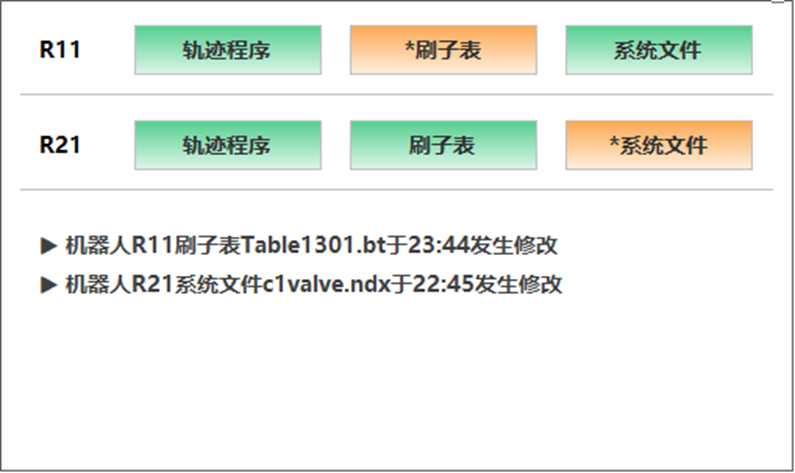
The system verifies robot trajectory programs, brush table programs, and system files. If discrepancies are detected compared to the previous production cycle, operators are alerted to review and intervene—preventing unintended process deviations.
3. Equipment Diagnostics
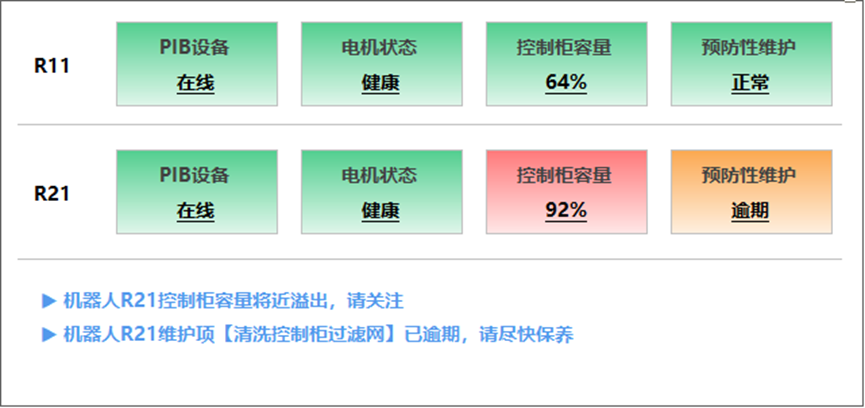
Comprehensive diagnostics ensure that all robot-related equipment is functioning properly. This includes:
Monitoring the online status of process boards
Verifying whether motor parameters are within acceptable ranges
Checking control cabinet capacity limits
Identifying overdue preventive maintenance tasks
Advanced AI Capabilities: Real-Time Production Diagnostics
During production, AI-driven diagnostics enable manufacturers to detect issues instantly and prevent batch defects.
1. Real-Time Process Parameter Monitoring
Key parameters such as rotational speed, airflow, flow rate, high voltage, and current are continuously analyzed. This enables:
Per-spray diagnostics
Per-trajectory data recording
Achieving a highly granular level of process control and traceability.
2. Real-Time Coating Equipment Diagnostics
The system monitors:
Gear pump inlet pressure after paint line filling, predicting normal operating ranges
Gear pump torque and temperature during operation, ensuring stable performance
3. Robot Motor Diagnostics
Robot motor performance is analyzed from multiple dimensions, including:
Energy consumption
Operating speed
Encoder feedback
Torque
This ensures continuous monitoring and early detection of anomalies.
Ultimate AI Enablement: Building a Fully Digital Smart Factory
In modern coating workshops, especially in automated spray painting systems, data collection remains a major challenge due to varying equipment standards and incompatible interfaces.
AI-powered upper computer systems solve this by centralizing and structuring production data. They enable:
Full-process data tracking for each product (e.g., pretreatment, electrophoresis, sealing, primer, topcoat, inspection, waxing, finishing)
One product, one data record
Complete traceability across the production lifecycle
This creates a reliable data foundation for IoT platforms, energy management systems (EMS), and enterprise data centers—turning smart manufacturing into a practical, data-driven reality.
Exploring AI-Driven Digitalization in Coating Robotics
Jinan ShengTai Painting Equipment Co., Ltd. is actively advancing the integration of AI and digital technologies in robotic painting systems. The company focuses on:
Process optimization for spray painting and adhesive application robots
Equipment-level digitalization
Customized predictive maintenance solutions
Deep collaboration with manufacturers to uncover hidden equipment issues
Delivering reliable, data-driven insights for smarter decision-making
By combining AI, digitalization, and industrial expertise, Shengtai is helping manufacturers transition from traditional automation to truly intelligent, future-ready production systems.
Conclusion: From Automation to Intelligence
The evolution of upper computer systems marks a critical step in the journey toward smart manufacturing. With AI-powered diagnostics, real-time monitoring, and full-process data integration, manufacturers can move beyond isolated automation toward fully connected, intelligent production ecosystems.
Businesses that embrace this transformation will gain a decisive edge in efficiency, quality, and long-term competitiveness in the era of Industry 4.0.


