

 English
 Español
 Português
 Русский
 عربي
عربي Türkçe
 Deutsch
 Polski
 Français
 Italiano
 Tiếng Việt
What Are the Key Steps and Best Practices for Steel Structure Painting?

Steel structure painting is essential for corrosion protection, durability, and aesthetic performance. Whether used in industrial plants, bridges, or construction frameworks, proper coating application ensures long-term reliability. This comprehensive guide outlines the critical steps, techniques, and safety considerations for high-quality steel structure painting.
1. Pre-Construction Preparation
1.1 Material Selection
Choosing the right coating system is crucial:
Indoor environments: Standard anti-corrosion paints are typically sufficient.
Outdoor or high-corrosion environments: Use high-performance coatings such as epoxy zinc-rich primers.
Always select products from certified manufacturers with proven performance in adhesion, weather resistance, and durability.
Thinner compatibility is equally important. Use the correct thinner specified by the paint manufacturer and follow the recommended ratio (e.g., 1:0.5). Incorrect proportions can negatively affect coating quality.
Essential tools include:
Spray guns (gravity-feed types are commonly used for better atomization)
Brushes (for hard-to-reach areas)
Sandpaper (for surface preparation)
1.2 Site Preparation
A well-prepared workspace improves efficiency and safety:
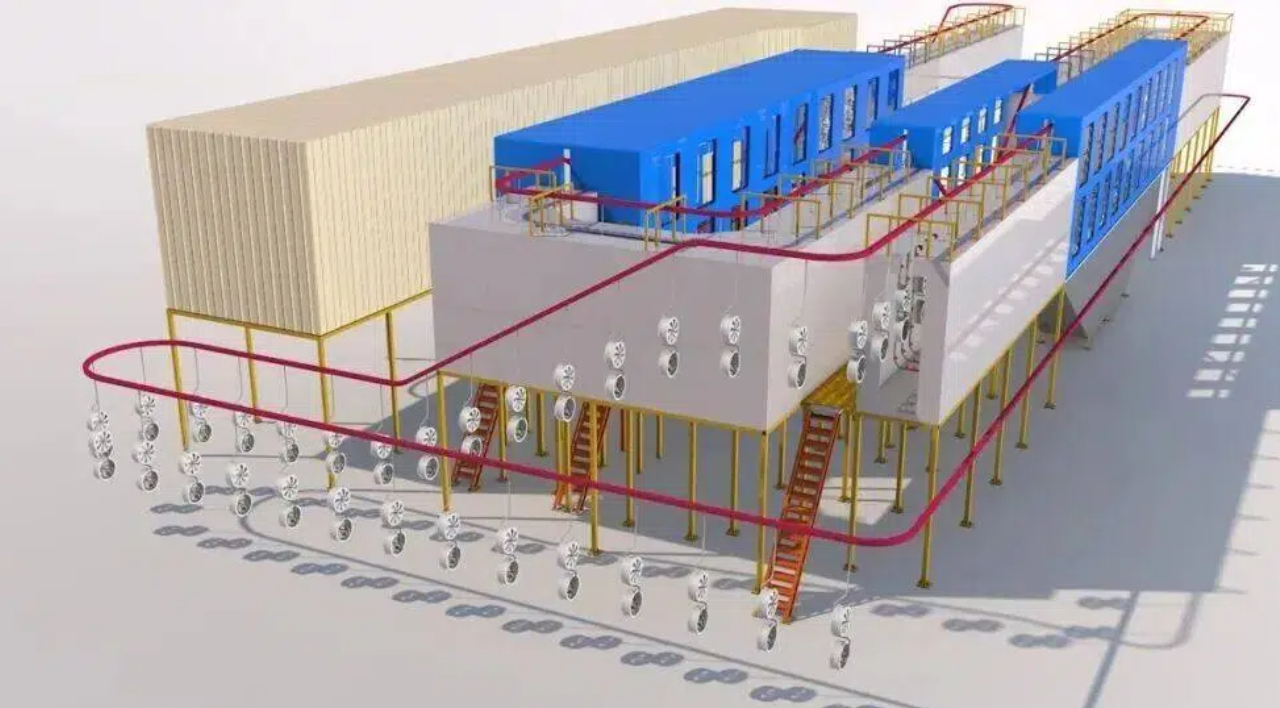
Ensure adequate space and ventilation, especially indoors (use exhaust fans if necessary).
For outdoor work, select open areas away from fire hazards.
Install scaffolding or work platforms suitable for the structure’s height and geometry.
Clean the site thoroughly to remove dust and debris.
Before painting, remove rust, oil, and contaminants from the steel surface using appropriate cleaning agents, rinse with clean water, and allow to dry completely.
2. Steel Surface Treatment
2.1 Rust Removal
Effective rust removal ensures proper coating adhesion:
Manual methods: Sandpaper or wire brushes for small areas.
Mechanical methods: Power grinders or shot blasting machines for high efficiency.
Chemical methods: Acid pickling solutions (ensure proper concentration and thorough rinsing to avoid corrosion).
Shot blasting is particularly effective for large steel structures, such as factory beams.
2.2 Degreasing
For light oil contamination: Wipe with organic solvents (e.g., gasoline or kerosene).
For heavy oil contamination: Use alkaline degreasers followed by thorough rinsing.
2.3 Surface Grinding
Smooth the surface using sandpaper in a consistent direction.
Focus on weld seams and burrs to ensure a uniform finish after painting.
3. Painting Application Process
3.1 Primer Application
Mix the primer and thinner according to specifications and stir thoroughly.
Maintain a spray distance of 15–20 cm, moving the spray gun at a consistent speed.
Ensure full surface coverage without missed spots.
Recommended thickness: 20–30 microns (verify using a coating thickness gauge).
3.2 Topcoat Application
Select the color according to design specifications.
Follow the required number of coats and drying intervals (e.g., two coats with 24-hour intervals).
Environmental conditions:
Temperature: 5–35°C
Humidity: Below 85%
Extreme conditions may cause defects such as slow drying, sagging, or bubbling.
3.3 Key Painting Tips
Keep the spray gun perpendicular to the surface.
Maintain a consistent speed and angle for uniform coating.
Common defects and solutions:
Sagging: Adjust paint viscosity or increase spray distance.
Missed spots: Re-spray immediately.
Bubbles: Ensure the surface is dry and paint is properly mixed.
4. Safety and Environmental Protection
4.1 Safety Measures
Workers must wear protective equipment, including respirators, gloves, and helmets.
Install warning signs such as “No Smoking” and “Caution.”
Ensure electrical safety: proper grounding and intact wiring.
4.2 Environmental Protection
Store paints in designated, sealed areas بعيد from heat and ignition sources.
Install filtration systems on exhaust outlets to reduce harmful emissions.
Dispose of waste materials (e.g., used sandpaper, paint containers) in accordance with regulations.
5. Quality Inspection and Acceptance
5.1 Visual Inspection
The surface should be smooth, uniform, and free of defects such as sagging, orange peel, or particles.
Ensure consistent color from all viewing angles.
5.2 Thickness Measurement
Use a coating thickness gauge to measure multiple points and calculate the average.
Verify compliance with design specifications.
5.3 Adhesion Testing
Perform cross-cut adhesion tests.
Apply adhesive tape to the grid and check for coating detachment.
Rework areas with poor adhesion.
5.4 Acceptance Standards
Follow project specifications and relevant standards strictly.
Record key data such as:
Painting date
Coating brand
Personnel involved
Inspection reports
Proper documentation ensures traceability and long-term quality assurance.
Conclusion
Steel structure painting is a systematic process that combines proper material selection, meticulous surface preparation, precise application techniques, and strict quality control. By following these best practices, manufacturers and contractors can significantly enhance corrosion resistance, extend service life, and achieve superior coating performance.
#SteelStructure #IndustrialCoating #AntiCorrosion #SurfaceTreatment #CoatingLine #Manufacturing #Engineering


