 English
 Español
 Português
 Русский
 عربي
عربي Türkçe
 Deutsch
 Polski
 Français
 Italiano
 Tiếng Việt
How to Retrofit a Steel Coating Line for Water-Based Paint
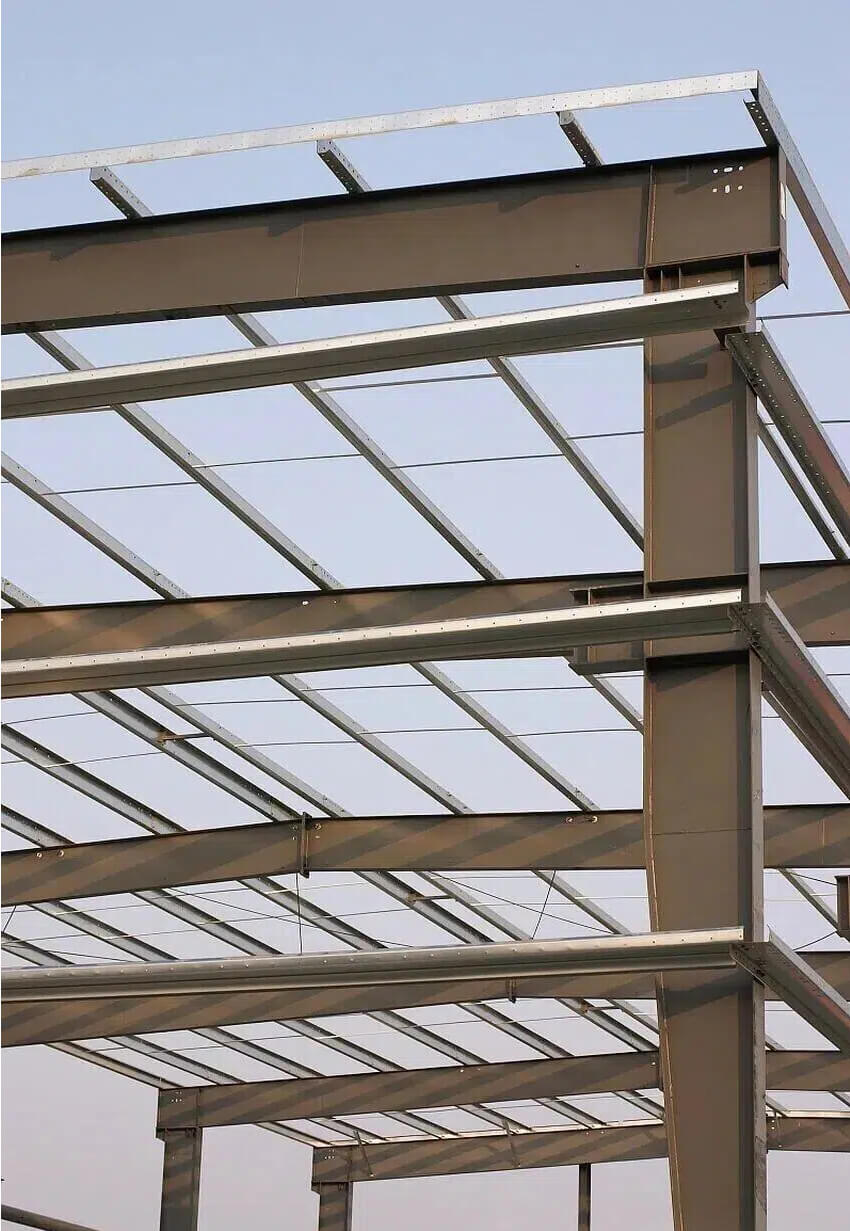
Modification Scheme for a Water-Based Paint Steel Plate Pretreatment Coating Line
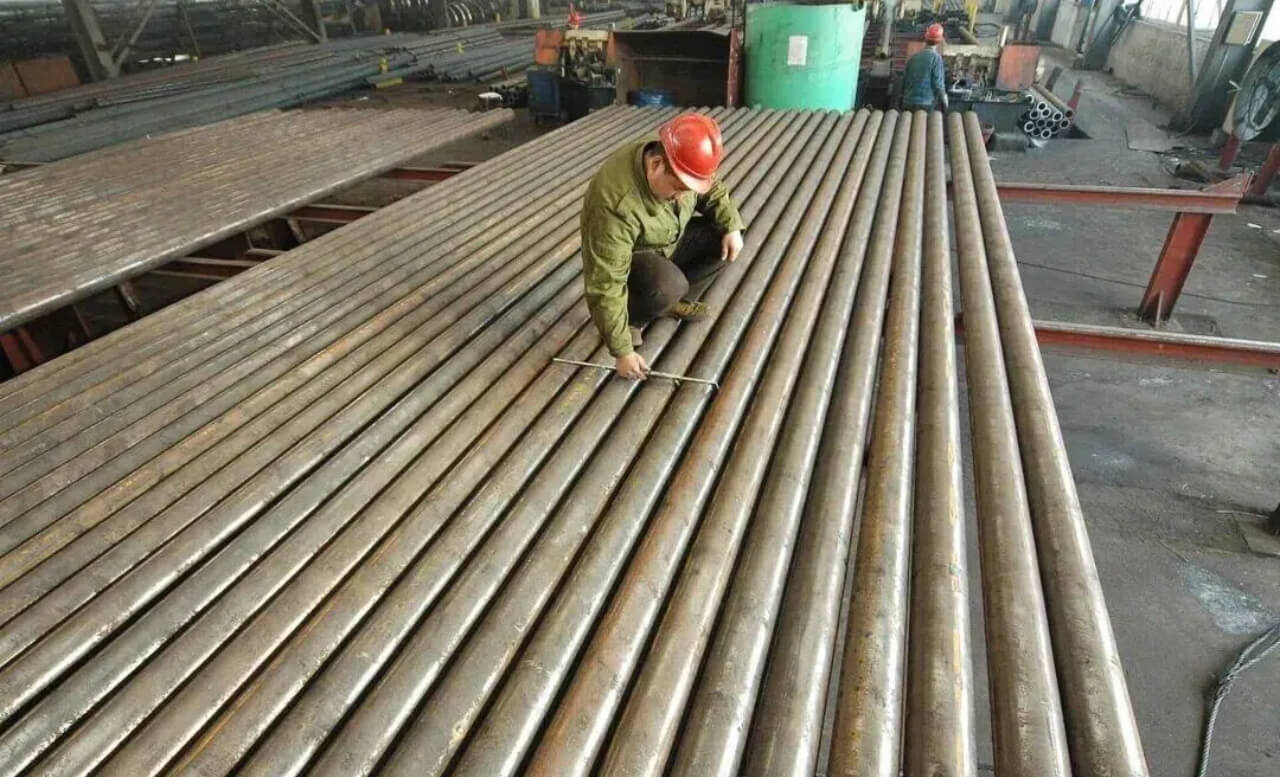
With the rapid development of industries such as construction machinery, power plant boilers, marine engineering, hydropower, petrochemicals, and military equipment, the derived demand for steel plates by equipment or products is increasing. Steel plates serve as the primary production material in port machinery manufacturing, and the quality of their pretreatment before entering production directly determines the service life of the products. In the early stages of modern industrial development, nearly all coatings used in traditional steel plate pretreatment were solvent-based coatings that used organic solvents as the dispersion medium.
Volatile organic compounds (VOCs) emitted from solvent-based coatings are harmful to the human body, pollute the environment, and are flammable and explosive. Water-based paint uses water as its primary solvent or dispersion medium, which reduces air pollution, benefiting human health and the sustainable development of the environment. To actively respond to the strict environmental protection and emission reduction requirements for heavy machinery manufacturing enterprises, protect the environment, and improve working conditions for coating personnel, the application of water-based paint in construction machinery is imperative.
Pretreatment coating lines in which water-based coatings gradually replace traditional solvent-based coatings have emerged as the times require in heavy industry steel plate pretreatment. This article describes a real-world case study of modifying a traditional steel plate pretreatment coating line into a water-based paint steel plate pretreatment coating line, which is of great significance for rational wastewater source management and environmental protection.
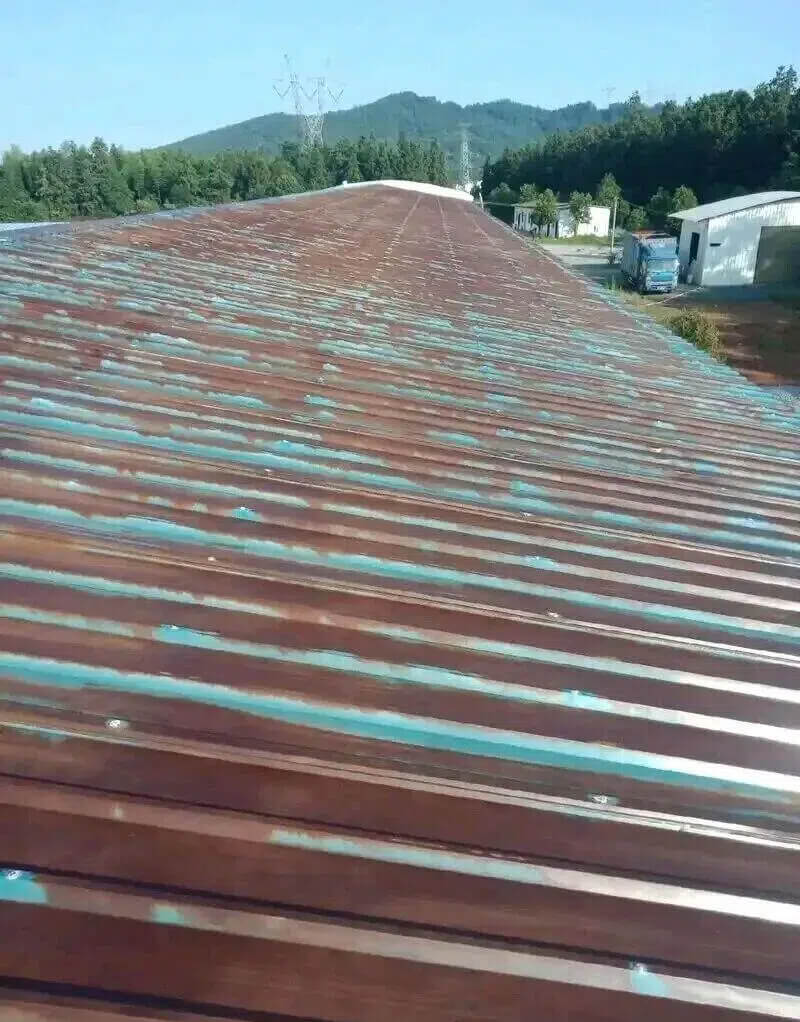
1. Modification of the Water-Based Paint Steel Plate Pretreatment Coating Line
According to research and analysis, adopting end-of-pipe treatment results in exorbitant late-stage maintenance and treatment costs. On the other hand, building a new production line requires a one-time equipment investment of around 4 million RMB, with annual maintenance costs exceeding 1 million RMB. Therefore, developing and modifying traditional production lines has become the most economically viable emission reduction scheme.
Addressing the deficiencies of the equipment on traditional steel plate pretreatment coating lines, this modification scheme proposes localized upgrades based on existing equipment. The original workstations, conveyor system, control system, and heating system remain unchanged; only the spraying equipment needs to be upgraded to a dedicated water-based spraying system. Simultaneously, the exhaust system is enhanced to ensure adequate ventilation volume during coating drying and proper supply pressure from the air supply system.
2. Production Line Workflow
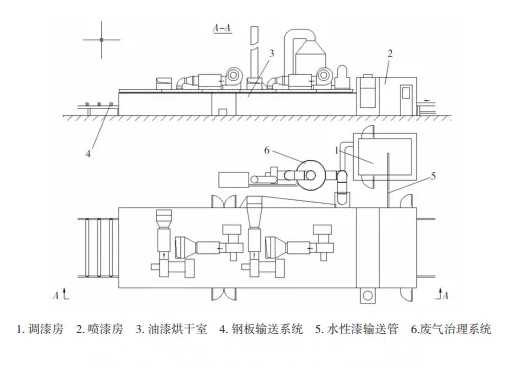
1. Paint Mixing Room
2. Spray Painting Room
3. Paint Drying Oven / Paint Curing Oven
4. Steel Plate Conveying System
5. Water-based Paint Supply Pipeline
6. Exhaust Gas Treatment System
Working principle of the water-based paint steel plate pretreatment coating line: Uniform, qualified, and standardized primer spraying on steel plates is achieved through conveyor, paint spraying, and waste gas treatment equipment working in an assembly-line operation.
This production line primarily consists of six major parts:
Paint drying chamber
Water-based paint delivery pipeline
Waste gas treatment system
Original steel plate conveyor system
Paint mixing room
Spray booth (see Figure 1)
The researched water-based paint, which meets the ratio requirements for steel plate primers, is delivered to the spray booth via a high-pressure airless spray pump. Pretreatment primer coating operations are then performed on the steel plates, which are already on the conveyor and have had their surfaces de-rusted and dusted.
3. Construction Steps for the Line Modification
Install paint mixing room equipment (equipped with a pneumatic agitator and mixing barrel) →Connect the paint mixing room with the spray booth → Install paint drying chamber equipment (adding several temperature sensing probes) → Install 1 set of electrical control cabinets (utilizing PLC control) → Install the waste gas treatment system (scrubbing tower and electroflocculation device, connected via water pipes) → Trial run of the production line.
4. Key Technical Points of the Line Modification
Through concurrent progress in R&D, design, and modification, water-based coatings have been successfully implemented on traditional pretreatment coating lines. In the primer pretreatment process for steel plates in heavy industry manufacturing, this not only significantly reduces VOC emissions and improves the workshop working environment, but also lowers corporate investment in end-of-pipe treatment equipment, helping enterprises achieve compliant and lawful environmentally friendly production at minimum economic cost.
The modification of the production line primarily involves technical innovation and problem-solving across five areas:
Spray Nozzle Selection: Changed the selection of spray nozzles used for painting on traditional lines from model 38Z55 to model 19Z40. The new nozzles possess anti-rust properties, which not only improve spraying quality on the steel plate surface but also successfully replace the 38Z55 nozzles on traditional lines.
Automated Equipment Integration: Combined the spray trolley, high-pressure paint delivery hose, high-pressure airless spray gun, and the new nozzle model—integrated with sensor devices—to form a complete automated water-based paint spraying system.
Corrosion Prevention & Ratio Control: To resolve the equipment corrosion issues that easily occur when traditional paint mixing rooms handle water-based paint coating operations, one set of high-pressure airless spray pumps (with a compression ratio of 42:1), one set of agitators, and one set of mixing barrels (80L) were added. The original paint mixing room setup was modified to achieve a 15:3 mixing ratio of water-based coating to water, ensuring spraying quality.
Drying Chamber Optimization: To resolve the issue of uneven heating temperatures in the paint drying chamber, blow nozzle assemblies were added above and below the slat conveyor to modify the original paint drying chamber. The hot air from the electric heaters in the circulating air duct is delivered uniformly to the steel plate surface, enabling rapid curing of the water-based coating on the steel plate. This increased efficiency by 50% (≤5) min while meeting the quality requirements for paint film thickness.
Waste Gas Emission Standards: To resolve the problem of meeting emission standards for end-of-pipe waste gas (with a paint mist particulate emission limit of 20 mg/m³, a new waste gas treatment system was added. The waste gas generated in the drying chamber and spray booth is directed into a dry paint mist filter, and then enters a scrubbing tower for spray filtration before being discharged up to standard, reducing health hazards to construction personnel.
For the sake of sustainable development, solvent-based coatings will soon withdraw from the stage of history, and water-based paints are likely to fully replace them. Modifying traditional steel plate pretreatment coating lines for water-based painting involves minimal project modifications, low costs, and low difficulty, yet yields significant post-modification results. It aligns with the development philosophy of green production, process reform, quality improvement, and efficiency enhancement. It effectively circumvents the drawbacks of solvent-based coatings—such as VOC emissions, resource waste, safety hazards, working environment pollution, and non-renewability—safeguarding sustainable development through concrete action.