

 English
 Español
 Português
 Русский
 عربي
عربي Türkçe
 Deutsch
 Polski
 Français
 Italiano
 Tiếng Việt
Industrial Spraying Technology: Common Defects and Solutions
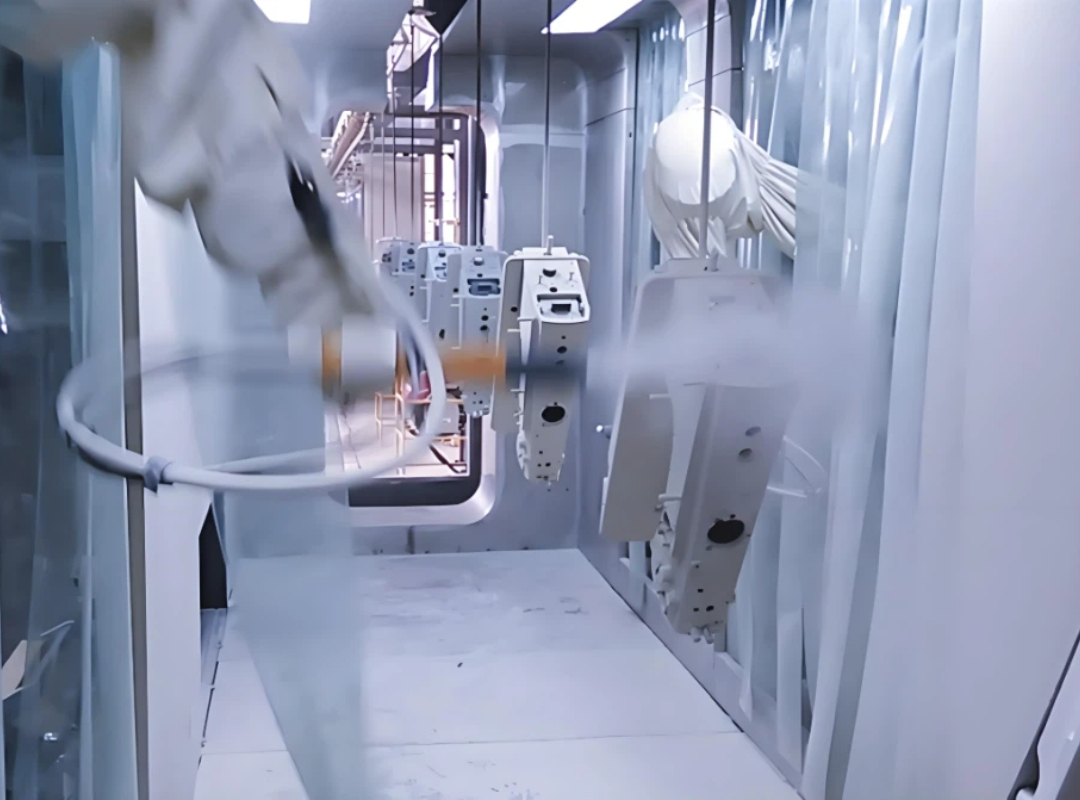
Spraying technology is widely used in industrial production to apply coatings uniformly onto object surfaces for protection, decoration, and functional purposes. However, various issues often arise during the process, such as poor coating quality, peeling, and low efficiency. Below is an analysis of common spraying problems and their corresponding solutions.
01. Sagging (Run-off)
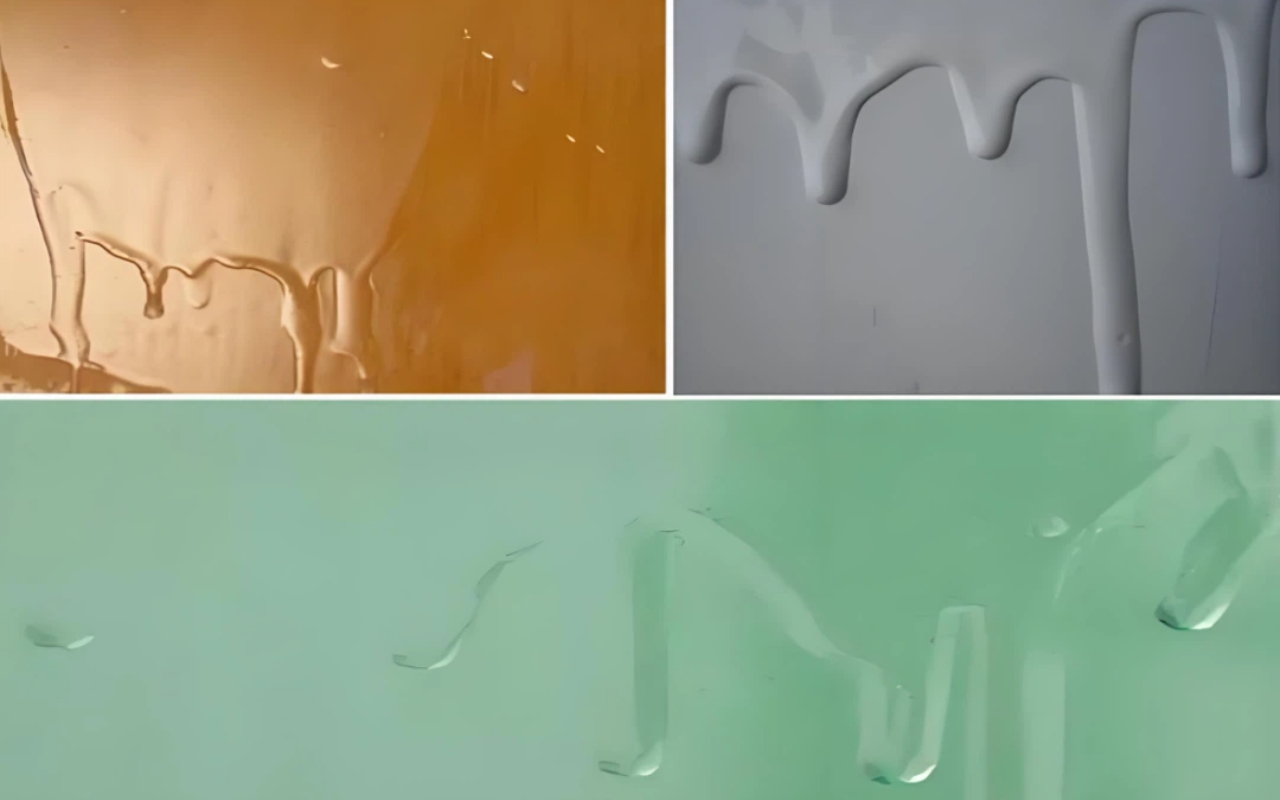
The phenomenon where paint flows downward on a vertical surface, creating uneven drip marks. Types include "slumping," "sagging," and "curtaining."
Root Causes: Solvent evaporates too slowly; coating is applied too thickly; ambient temperature is too low; or paint viscosity is too low.
Solutions: Select the correct solvent; ensure coating thickness is maintained at approximately 20μm; strictly control construction viscosity and environmental temperature.
02. Particles (Seeds/Dust)
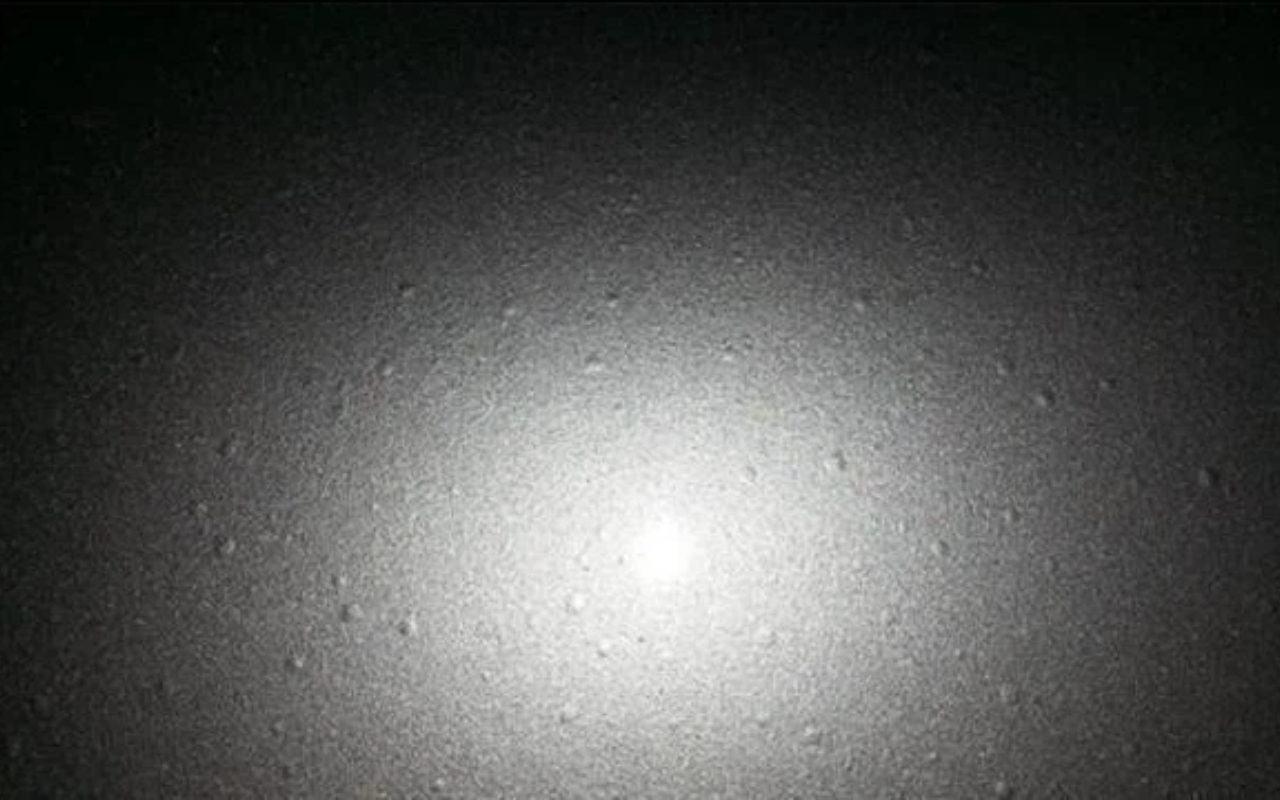
Foreign matter appearing as granules on the coating surface. These can be caused by impurities in the paint, "metal particles" (aluminum powder protrusion), or environmental dust.
Root Causes: Poor air cleanliness in the spray booth or drying area; insufficient filtration of the paint; or dust from the operator's clothing/gloves.
Solutions: Ensure adequate air filtration in the workshop; install filters on supply lines; use tack cloths or ionized air to clean the substrate before spraying.
03. Poor Hiding (Grinning-Through)
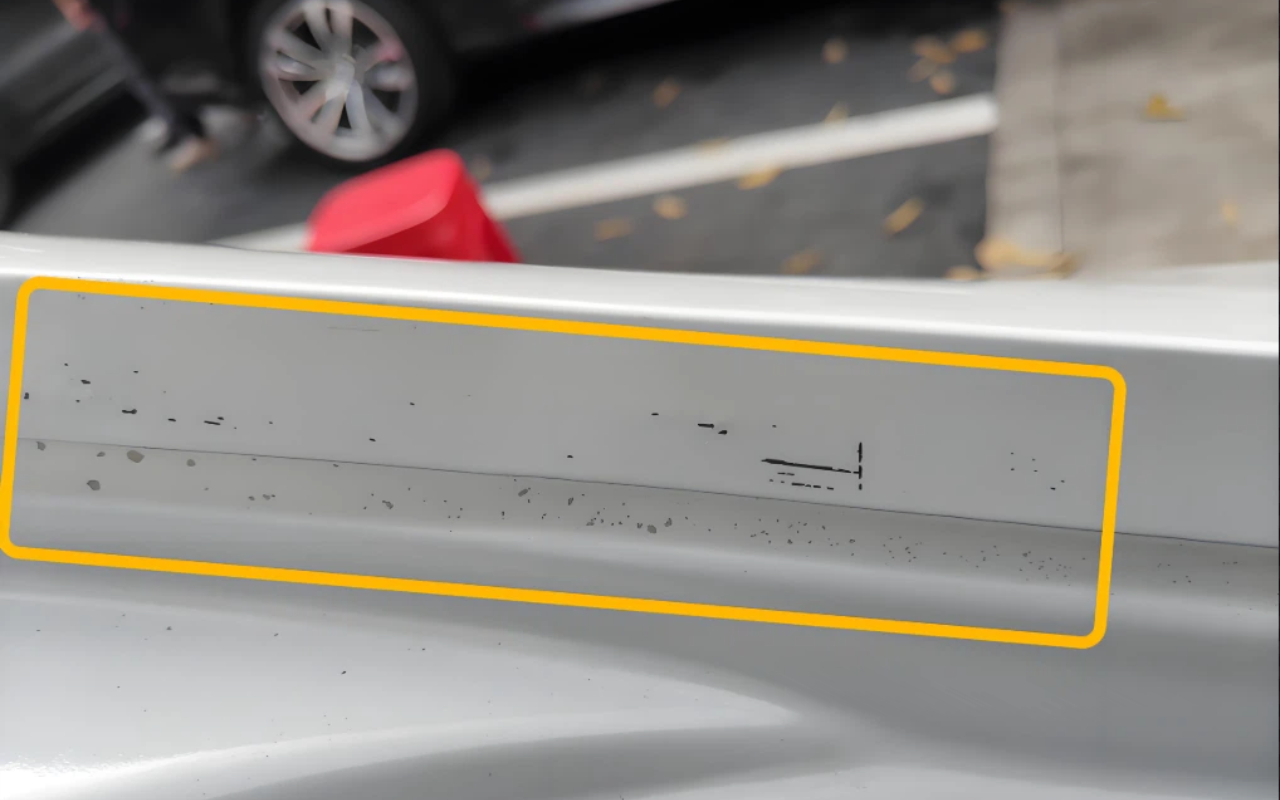
"Missing paint" occurs due to skipped areas, while "poor hiding" refers to the substrate color showing through because the dried film is too thin.
Root Causes: Incorrect pigment ratio in the paint; low viscosity; or complex workpiece shapes leading to missed spots.
Solutions: Use coatings with high opacity; increase construction viscosity; ensure the primer and topcoat have similar color tones.
04. Pinholes
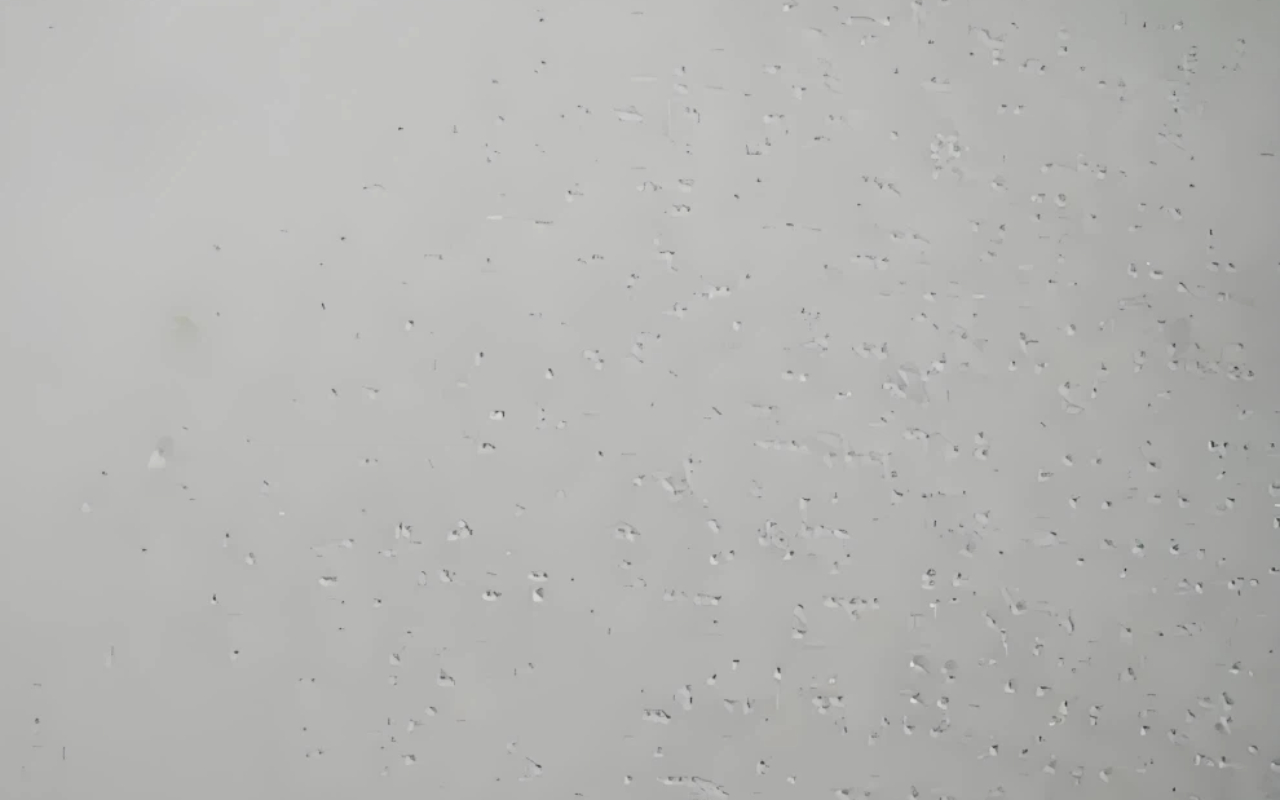
Small holes on the film surface resembling needle pricks or leather pores.
Root Causes: Viscosity is too high (trapping bubbles); oil or water contamination; or flash-off time is too short before high-temperature baking.
Solutions: Strictly follow viscosity specs; ensure air lines are free of oil/water; allow sufficient flash-off time before entering the oven.
05. Color Difference (Metamerism)
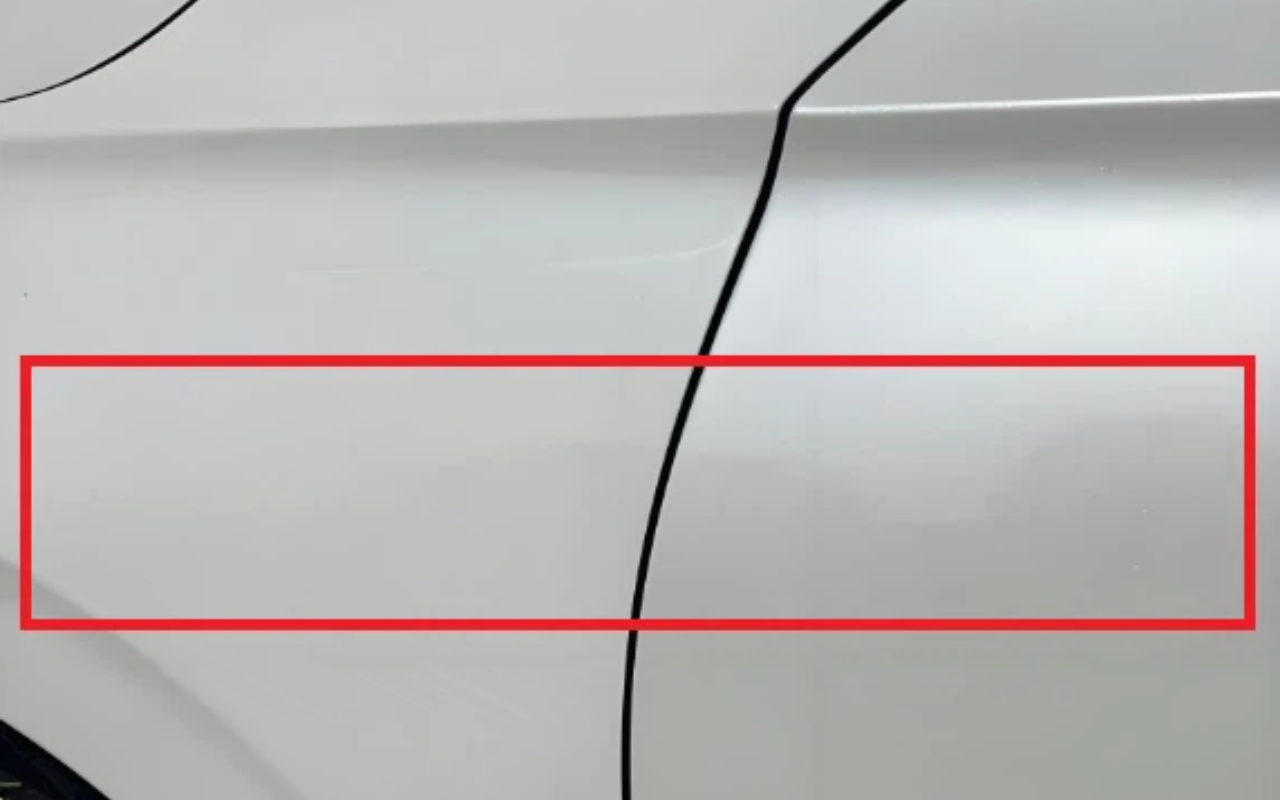
Discrepancy in gloss or hue between the coating and the standard sample, or between repaired areas and the original film.
Root Causes: Batch-to-batch paint variation; improper cleaning of equipment when changing colors; or poor sanding of repair areas.
Solutions: Strengthen incoming inspection of paint; thoroughly flush lines during color changes; sand repair areas meticulously.
06. Blistering
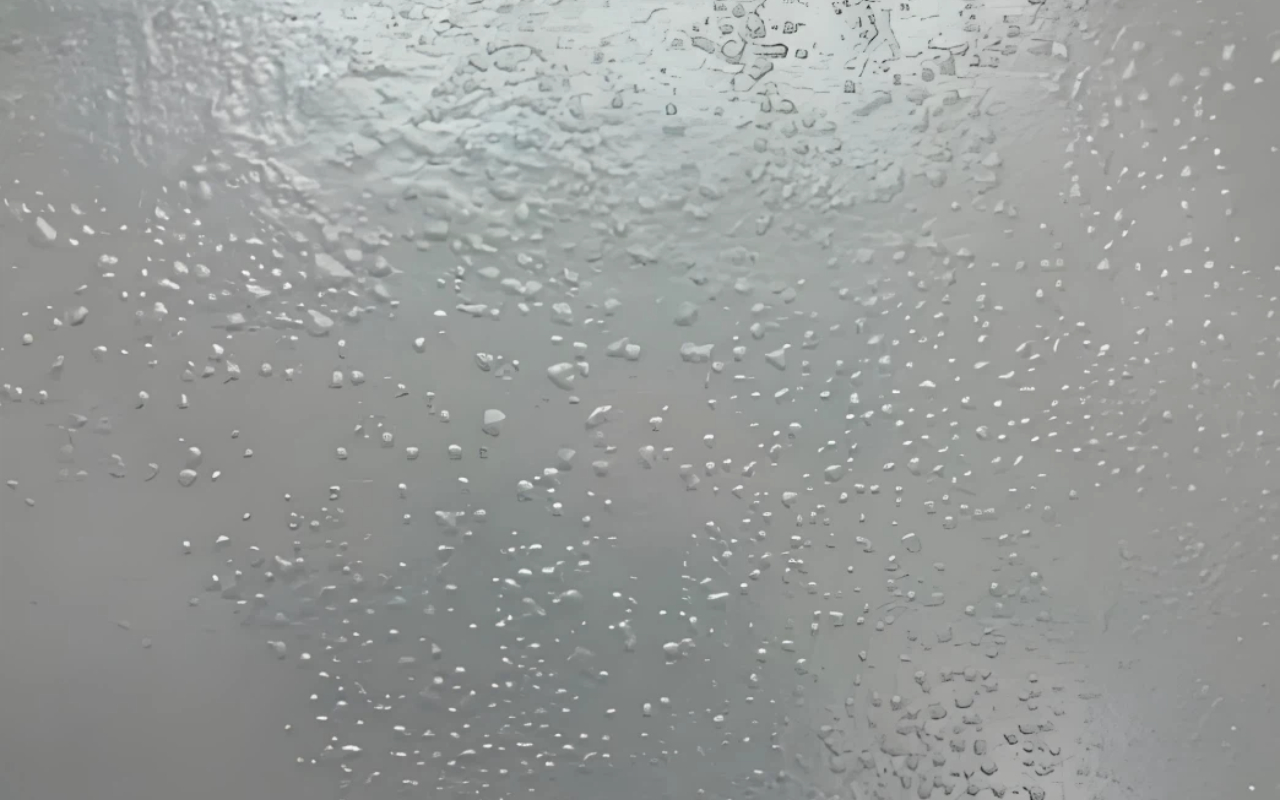
Small bead-like bubbles on the dried surface that burst under pressure.
Root Causes: Surface dries too fast (trapping internal solvents); substrate contamination (oil/water); or the coating is applied too thick.
Solutions: Avoid immediate high-heat baking; ensure the substrate is chemically clean; maintain proper paint viscosity.
07. Orange Peel
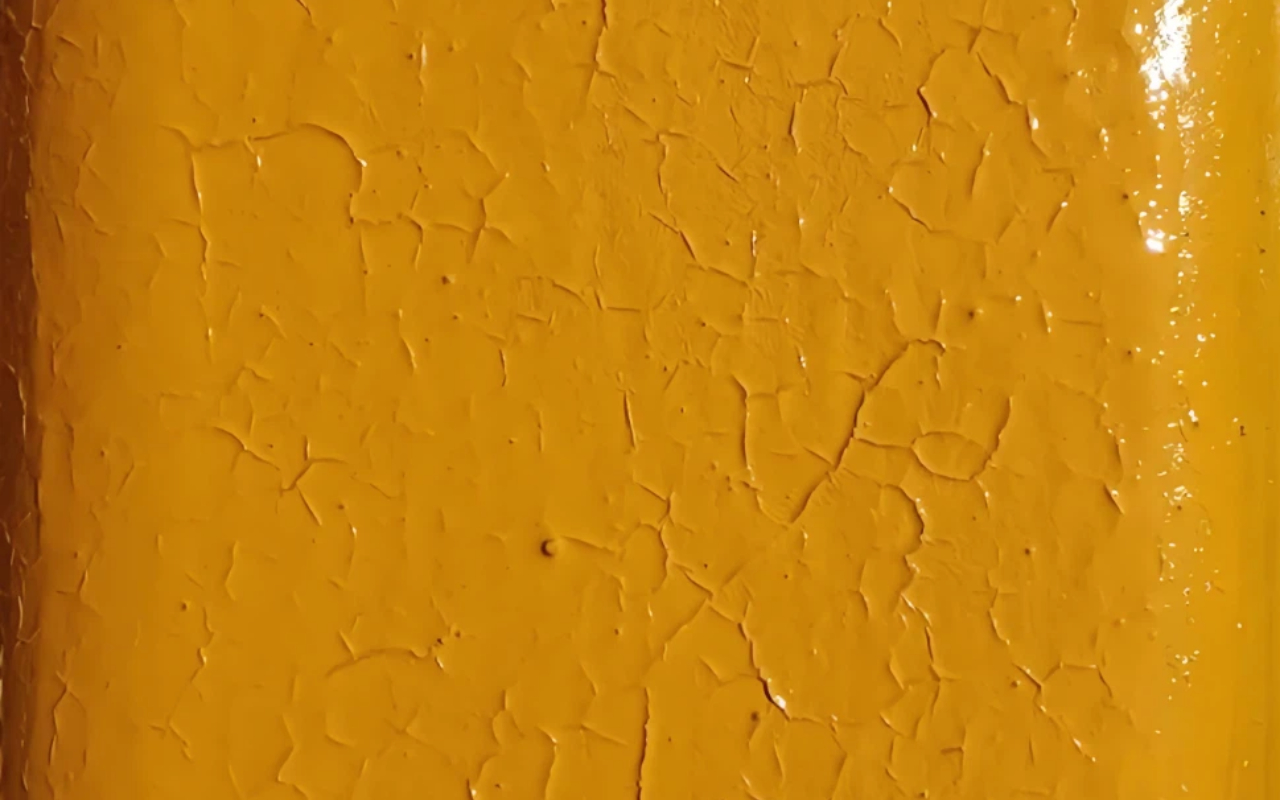
A surface texture resembling the skin of an orange.
Root Causes: Low leveling due to high viscosity; improper spray gun pressure or distance; or ambient temperature is too high.
Solutions: Use leveling agents; adjust gun nozzle and air pressure for optimal atomization; keep substrate temperature below 50°C before spraying.
08. Putty Cracks/Traces
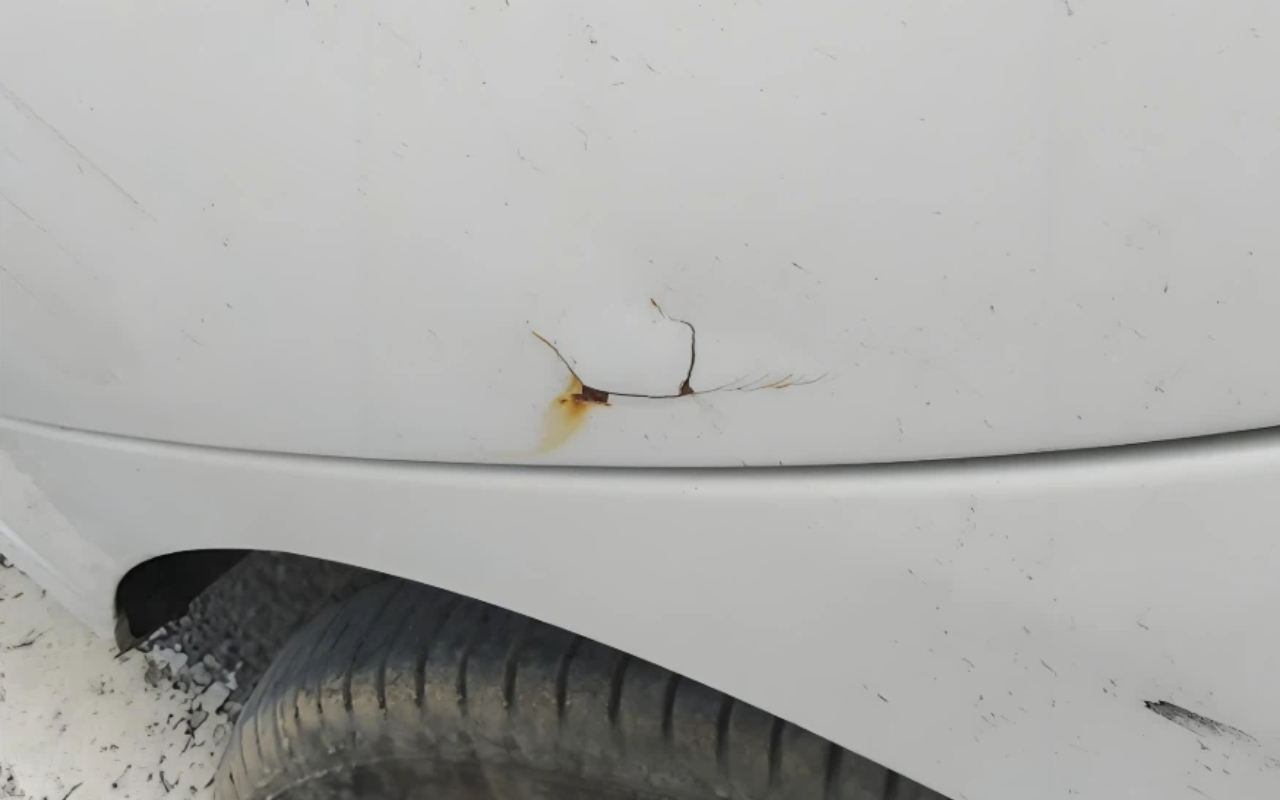
Loss of gloss or visible marks over areas where putty was applied.
Root Causes: Insufficient sanding of the putty; high shrinkage of the putty material; or the putty absorbing the topcoat.
Solutions: Choose low-shrinkage putty; sand thoroughly; apply a sealer or primer over the putty before the topcoat.
09. Color Bleeding (Chalking/Fading)
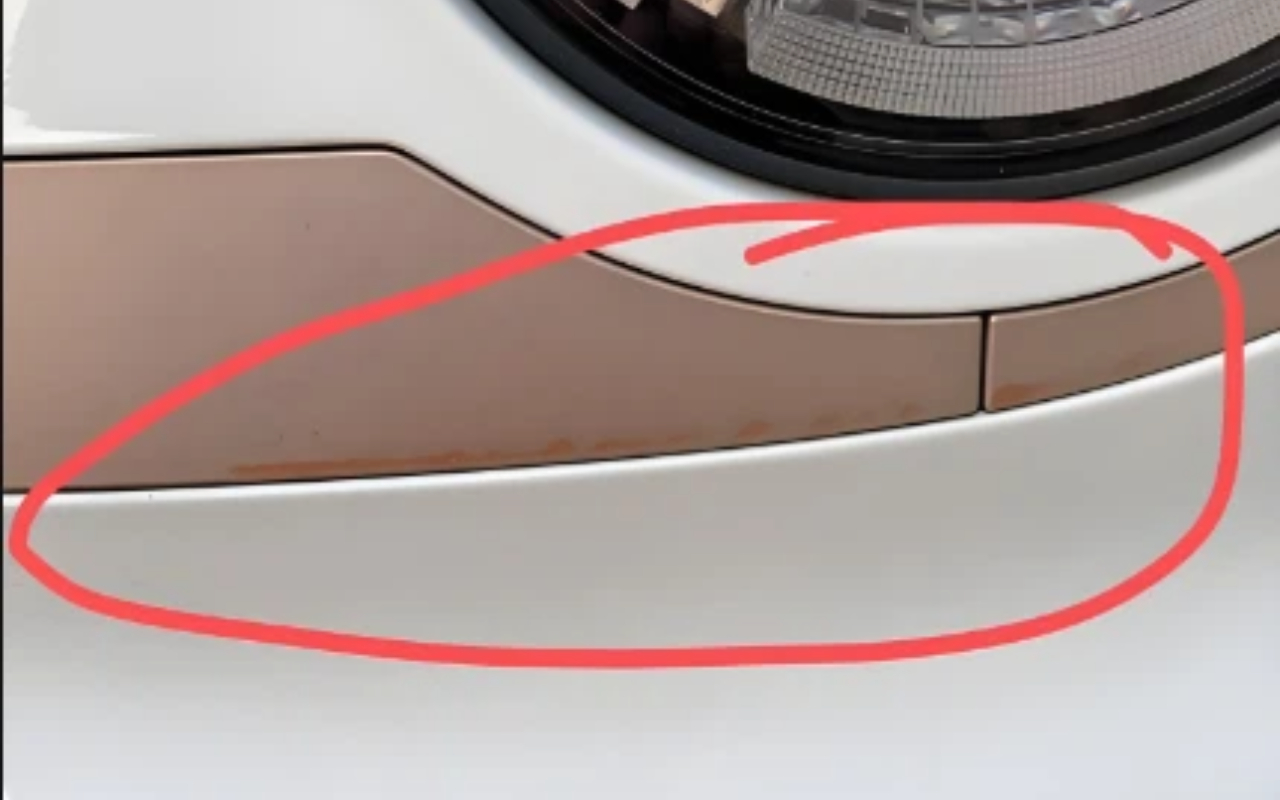
The phenomenon where color rubs off onto a clean cloth even after the film is fully dry.
Root Causes: Pigments (especially organic) migrating to the surface.
Solutions: Use high-quality, non-bleeding coatings; apply a clear topcoat (varnish) to seal the color.
Key Words
Coating Quality, Viscosity, Substrate, Atomization, Flash-off Time, Levelling, Surface Treatment
Hashtags
#SprayingTechnology #IndustrialManufacturing #CoatingDefects #SurfaceFinishing #PaintingProcess #QualityControl #ManufacturingSolutions


