

 English
 Español
 Português
 Русский
 عربي
عربي Türkçe
 Deutsch
 Polski
 Français
 Italiano
 Tiếng Việt
Spray paint or powder coat? How to choose the right surface treatment!
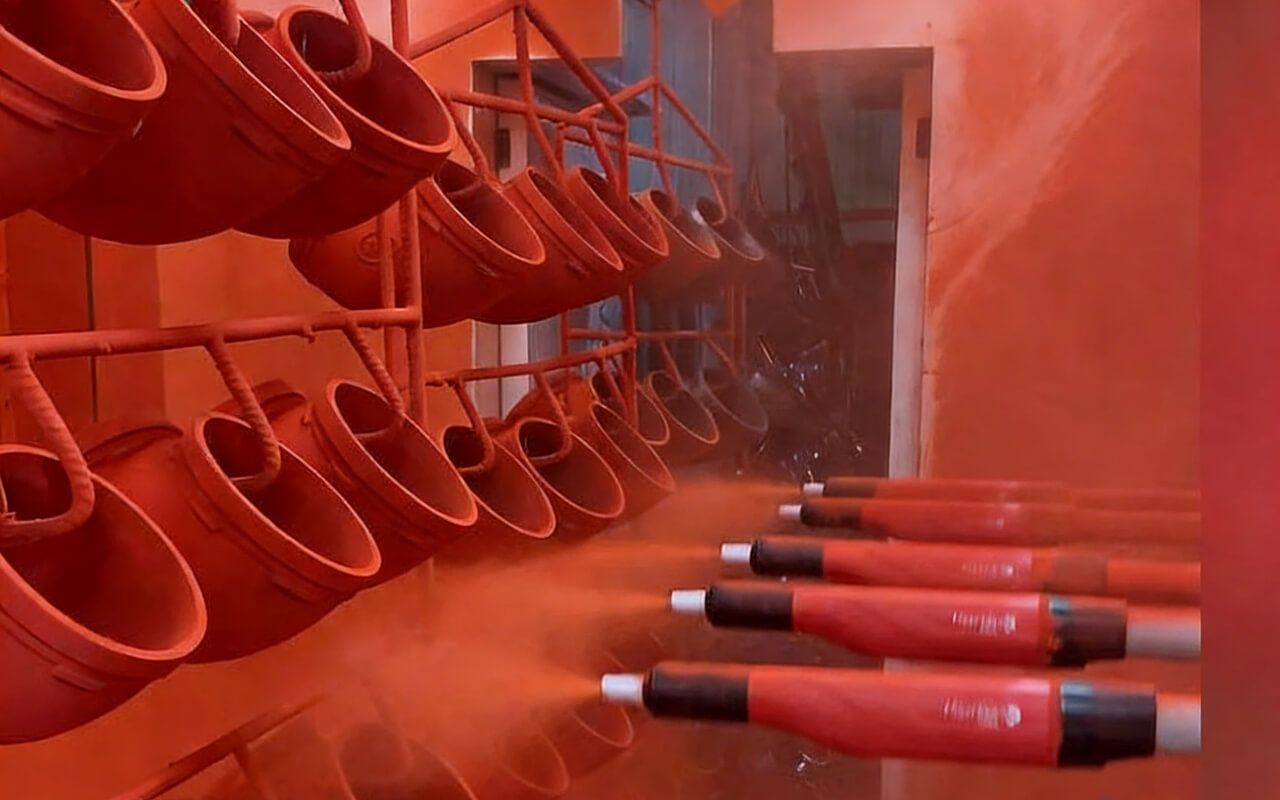
Overview
"Spray coating" is the general term for spray painting, powder coating, and spray galvanizing. Spray painting (also called spray oil) is one process; here we call it "spray paint." Powder coating (also called spray-plastic by some) is a different process; here we call it "powder coat."
Basic differences
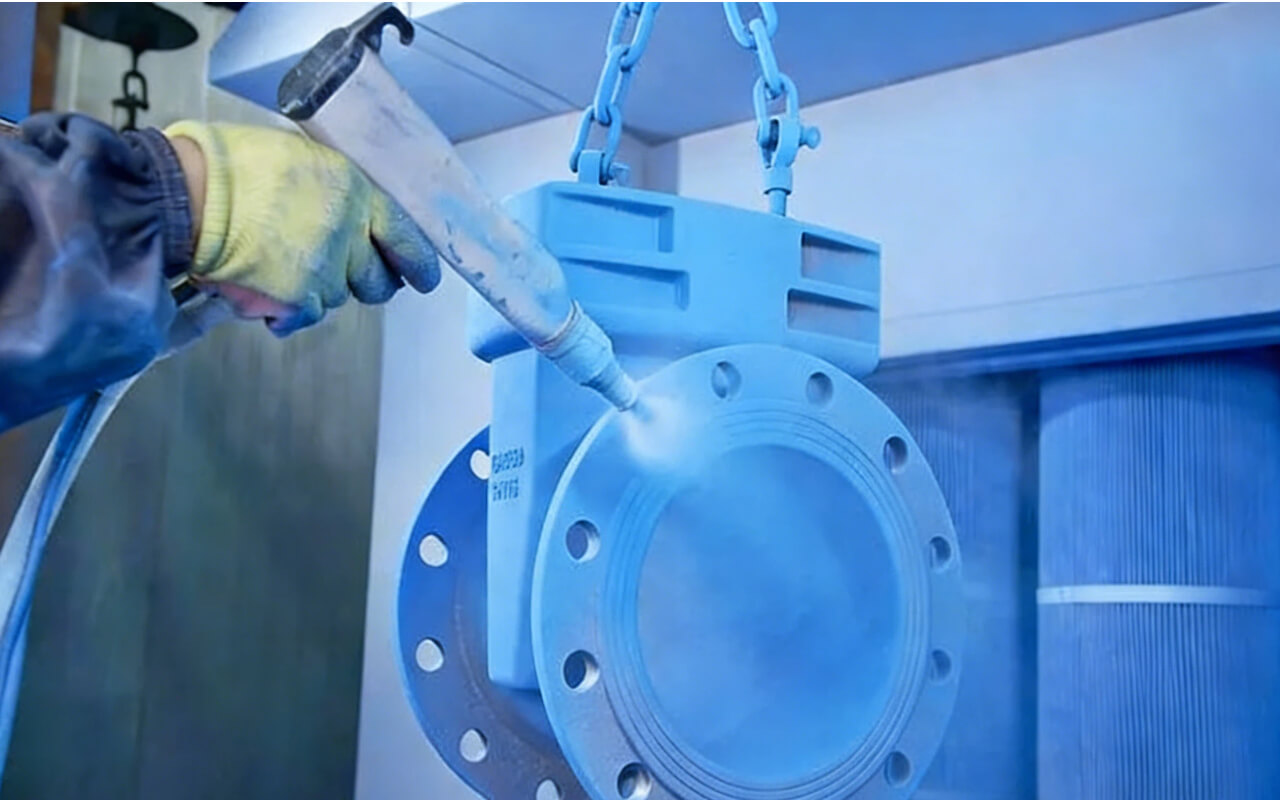
1. Spray paint uses compressed air to atomize liquid paint into a mist that adheres to the surface. Powder coating uses compressed air and high-voltage electrostatics to disperse powder particles that are attracted to the surface by an electric field.
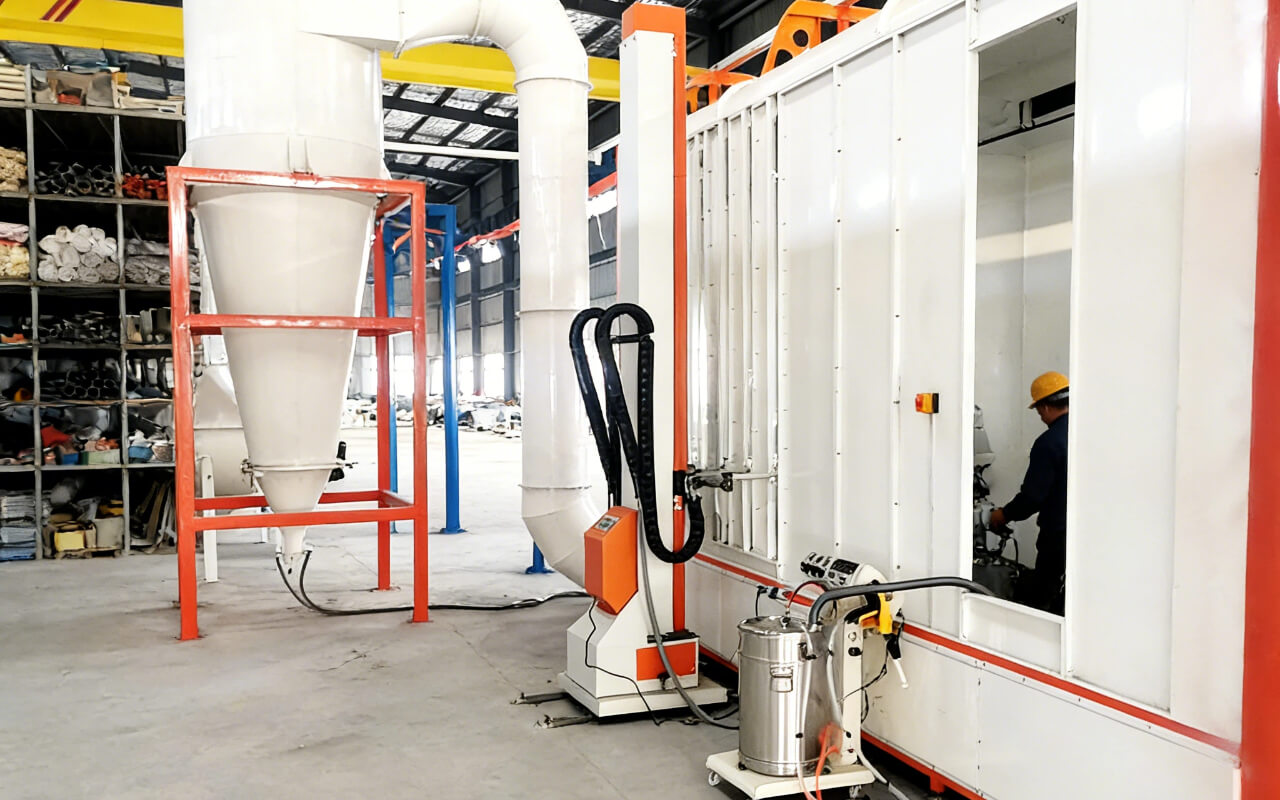
2. Proper name for powder coating is electrostatic powder coating — it's not something done simply with a paint spray gun. Equipment includes a powder feed hopper (air-fed), a high-voltage electrostatic generator, and an electrostatic powder spray gun. Powder (plastic powder) types include outdoor and indoor powders (epoxy and other resin types). Powder and liquid paint are fundamentally different materials.
Powder coating advantages and characteristics
1. No solvents.
Powder coatings are 100% solids, eliminating solvent-related pollution, improving worker conditions and health.
2. Simplified process.
Typical steps: spray, cure, cool — one-step film formation. Automatable with recovery/recycling systems for higher efficiency and lower resource use.
3. High material utilization.
Unapplied powder can be recovered and reused; utilization typically >95%.
4. Durable coatings.
Powder can use high‑performance resins that form dense films without solvent-related pinholes.
5. Thick single-coat possible.
Single coats of 50–300 µm are achievable without sagging or solvent defects; paint usually gives 5–20 µm per coat and needs multiple coats for thick films.
6. Color change difficult and slow.
Powder color is factory-made; on-line tinting is impractical. Changing colors requires thorough cleaning of guns, feeders, booths, tubing, and recovery systems to avoid contamination—especially hard when switching from dark to light colors.
7. Hard to get thin films.
Powder films are usually ≥40–50 µm; achieving <40 µm is difficult.
8. Slightly less smooth finish.
Melt-and-flow behavior can give light orange‑peel texture; not as smooth as liquid paint.
9. Limitations.
Typical cure temps >160°C restrict use on heat‑sensitive substrates (e.g., many plastics). Electrostatic application requires conductive substrates (usually metal) or conductive pre-treatment.
Spray painting (liquid coating) features
1.Wide variety.
Many resin types and thousands of paint formulations allow tailored choices by performance, use, and environment.
2. Versatile application methods.
Brush, dip, flow, roll, scrape, air spray, high‑pressure airless, electrophoretic (E-coat), and electrostatic spray are available.
3. Low initial equipment cost.
Basic spray painting needs only a gun, air compressor, moisture separator, and hoses — much cheaper than large powder coating setups.
4. Simplified pretreatment possible.
Good primers provide rust protection and adhesion; sometimes only degreasing and derusting are needed (no phosphating).
5. Longer production time and higher comprehensive cost.
Multiple materials (primer, putty, thinner, topcoat), drying times, and sometimes baking increase material, energy, and labor costs compared to powder coating.
Summary / How to choose
1. Surface finish: choose spray paint for very fine, delicate finishes; powder coat for rougher, textured, heavier feel (powder can be fine but generally not as fine as paint).
2. Wear and stain resistance: choose powder coat — typical film thickness is ~3–10× that of sprayed liquid paint.
3. Size and cost: small parts — spray paint for finer appearance; large parts — powder coat for lower cost.
4. Color variety and changeability: choose spray paint — powder color changes are slow and complex.
Hashtags:#PowderCoating #SprayPainting #SurfaceTreatment #Electrostatic #PaintVsPowder #FinishSelection #CoatingTechnology #IndustrialCoating #PowderCoatAdvantages #LiquidPaint
Keywords: powder coat, spray paint, electrostatic powder coating, solvent‑free, curing, film thickness, color change, finish smoothness, durability, equipment cost, pretreatment, heat sensitivity, coating utilization, orange‑peel, recovery system.


