

 English
 Español
 Português
 Русский
 عربي
عربي Türkçe
 Deutsch
 Polski
 Français
 Italiano
 Tiếng Việt
Uncovering the secret between coating quality and baking curing
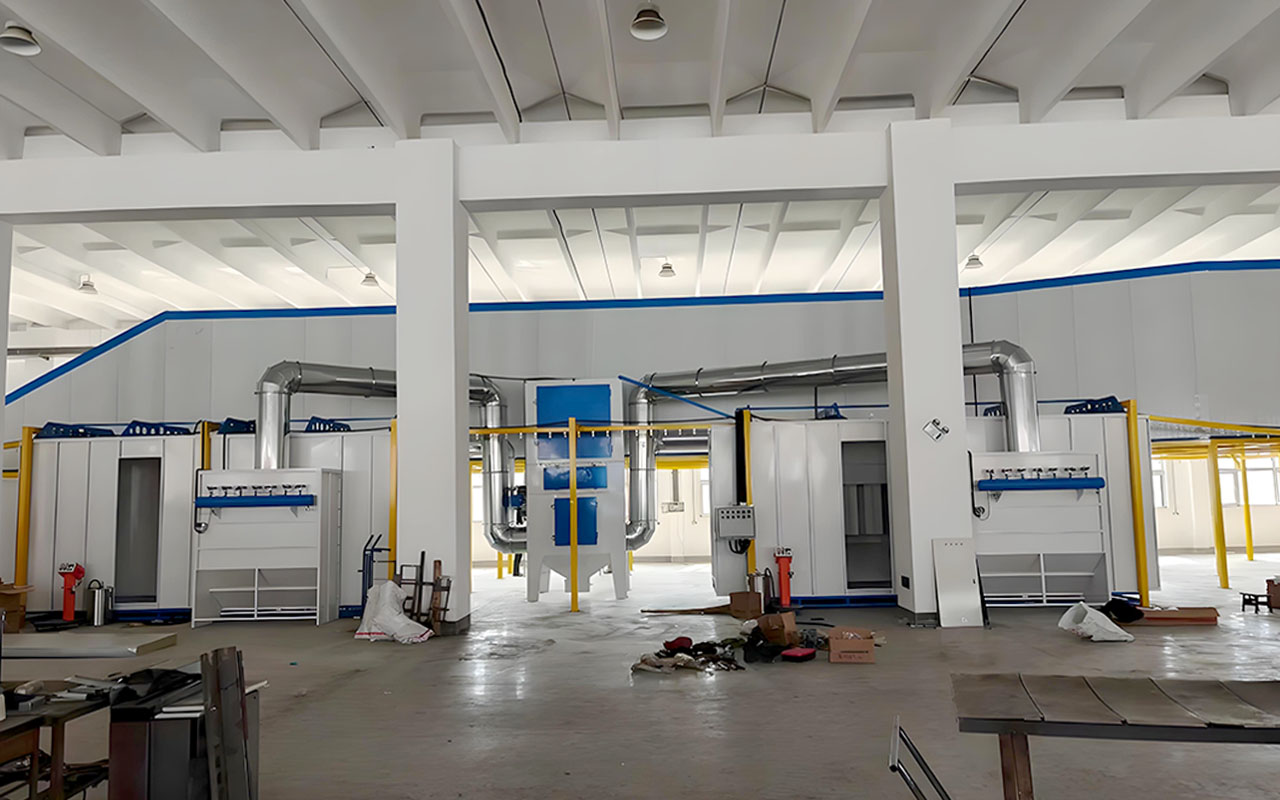
For any coated product, coating quality depends not only on the quality of the chosen coating material but also on the application process used during coating — an important factor affecting final finish. Baking curing is one of the key application processes in powder coating production. Determining the correct baking/curing parameters and designing or selecting appropriate curing equipment are critical to ensuring powder coating quality.
Effect of baking temperature on coating quality
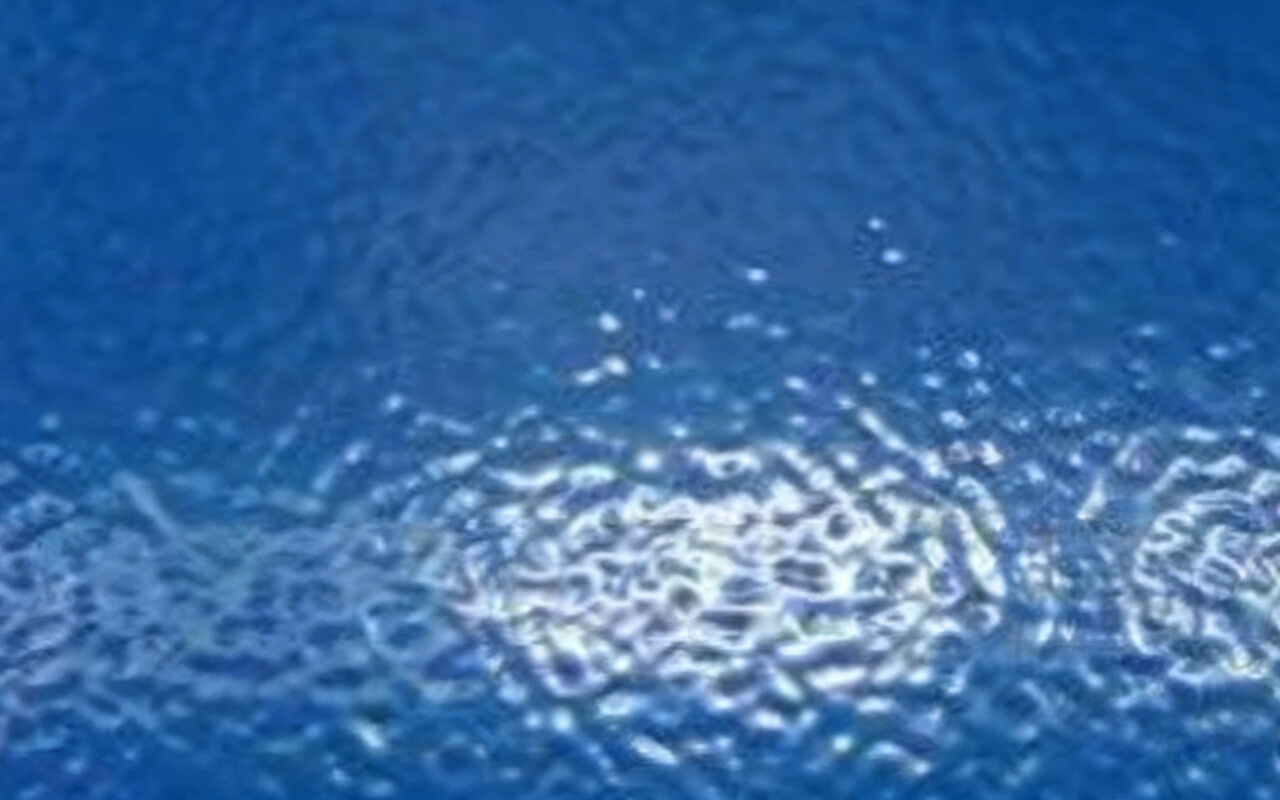
Powder coating applied to a part must be baked at a specific temperature for a set time so the powder can melt, flow out, and crosslink into a uniform film. Different powders have different melt-flow and crosslinking temperatures. The curing temperature is generally specified by the powder manufacturer.
If the baking temperature is too low, melting, flow-out, and crosslinking are insufficient, causing rough surfaces, poor gloss, weak adhesion, and reduced strength and hardness.
If the temperature is too high, the coating may discolor at minimum, or char and lose mechanical strength at worst.
Effect of baking time on coating quality

Curing powder coatings at a given temperature requires time. As the powder reaches temperature it softens and then melts; viscosity changes during melting vary by resin type. Low-viscosity melts level well and produce high-gloss films; high-viscosity melts level poorly and yield rough, low-gloss surfaces. Powder makers adjust leveling with additives.
Continued heating causes the resin, curing agents, and additives to crosslink into a durable film — a reaction that takes measurable time. That’s why sufficient curing time is essential. Insufficient temperature or time results in serious defects because full cure has not been achieved.
Effect of substrate material, shape, and wall thickness on coating quality
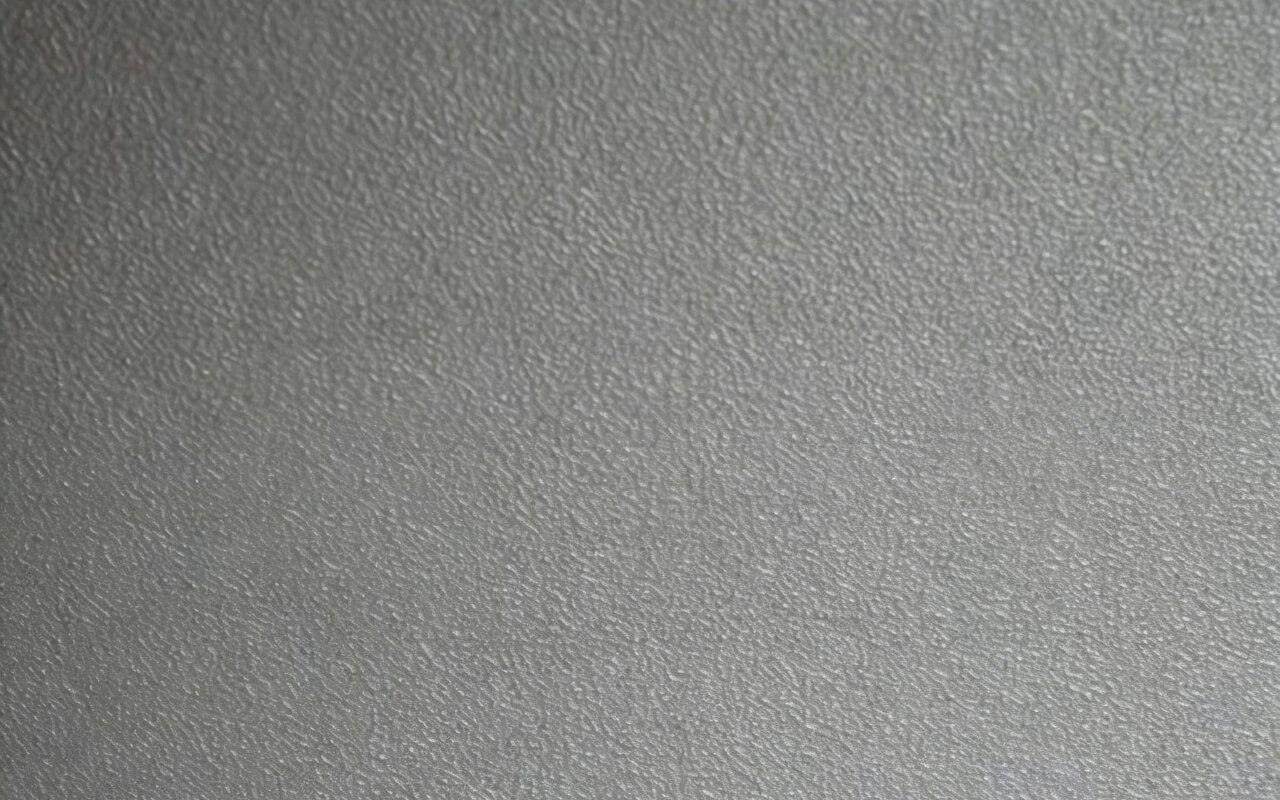
Manufacturer-specified curing conditions are established by testing based on powder formulation. In real production, curing time must also account for part material, shape, and thickness. Different materials have different thermal conductivity; shapes and wall thicknesses produce varying heat capacities, so curing time should be determined by testing for the specific parts. Otherwise, parts with poor thermal conductivity, complex shapes, or thick walls may not reach the required temperature/time for full cure, while overly long cures waste energy and reduce productivity.
Hashtags: #PowderCoating #Curing #BakingTemperature #CuringTime #CoatingQuality #SurfaceFinish #IndustrialCoatings #PowderOven #ProductionEfficiency
Keywords: powder coating, baking/curing temperature, baking/curing time, melt flow, crosslinking, viscosity, leveling, gloss, adhesion, substrate thermal conductivity, part geometry, wall thickness, curing equipment, process parameters, quality control


