

 English
 Español
 Português
 Русский
 عربي
عربي Türkçe
 Deutsch
 Polski
 Français
 Italiano
 Tiếng Việt
Should You Upgrade or Replace Your Coating Line?
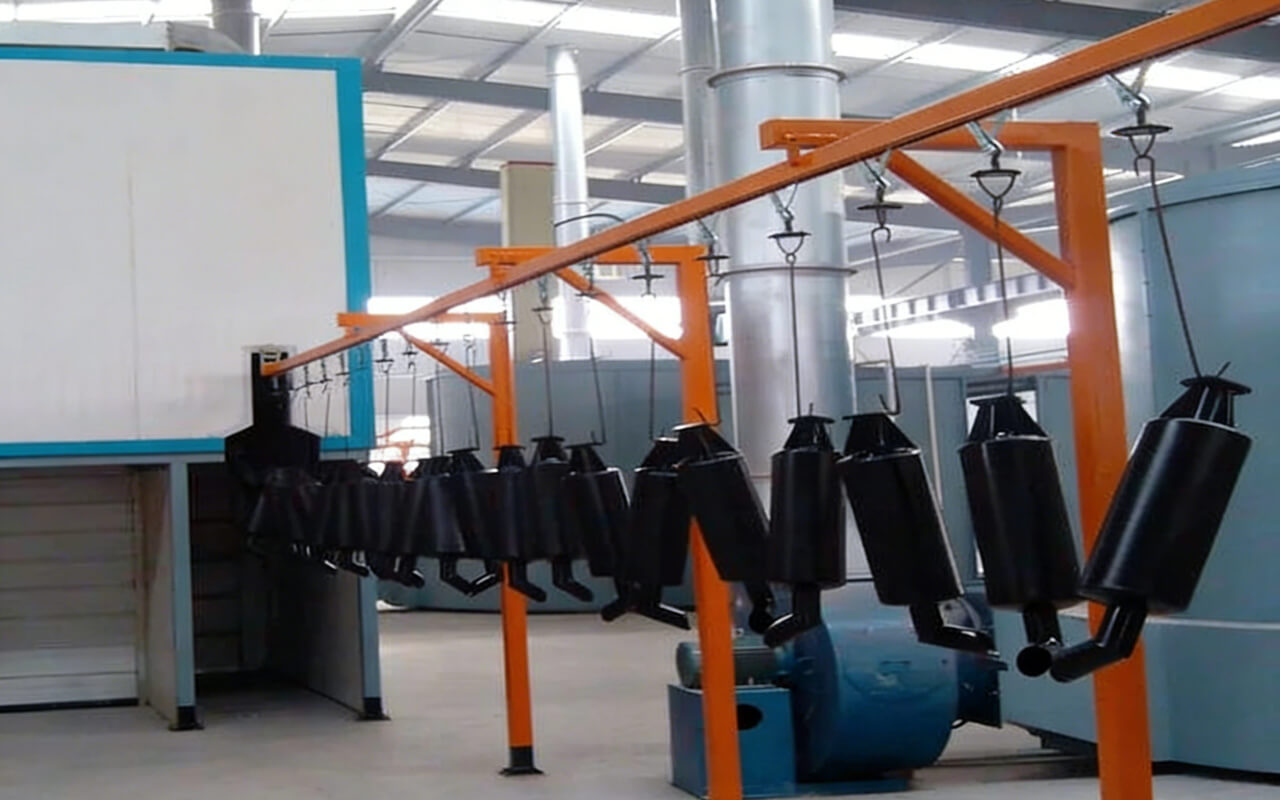
How SMEs Can Balance Cost Savings and Efficiency
In today's highly competitive manufacturing landscape, small and medium-sized enterprises (SMEs) face constant pressure to improve productivity while controlling costs. Industrial coating processes—especially spray painting lines—play a critical role in product quality and operational efficiency.
However, as equipment ages, business owners often face a difficult decision:
Should you upgrade your existing coating line (“retrofit”), or invest in a brand-new automated system (“replacement”)?
A Real-World Dilemma
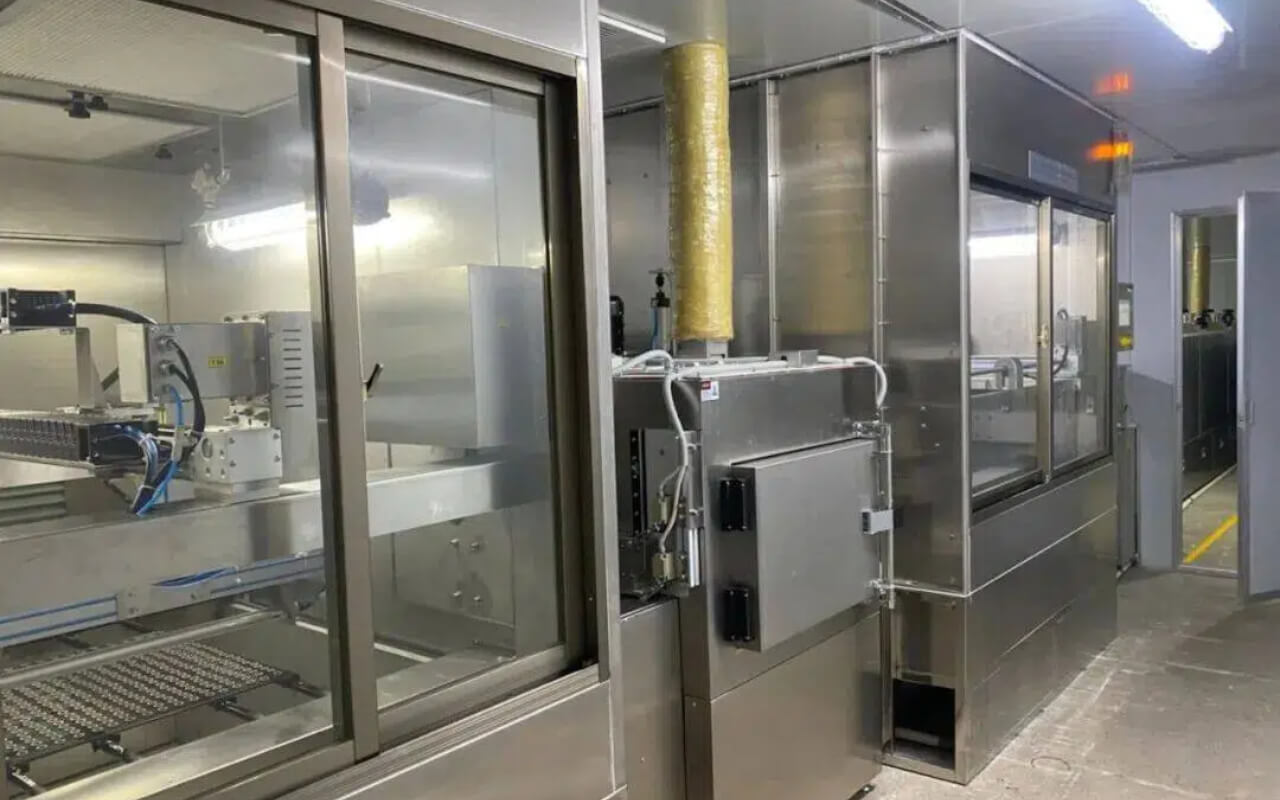
Mr. Wang, the owner of a furniture manufacturing company in Zhejiang, recently encountered this exact challenge. His spray coating line had been in operation for eight years, and performance had significantly declined:
Paint utilization rate dropped to just 30%
Rework rate increased to 15%
VOC emissions struggled to meet environmental standards
With rising costs and stricter environmental regulations, he faced two options:
Invest ¥800,000 to retrofit the existing line
Spend ¥3,000,000 on a new automated coating system
This is not an isolated case—it reflects a common decision-making challenge faced by many SMEs worldwide.
Option 1: Retrofitting (“Upgrade the Old System”)
Retrofitting involves improving the existing coating line through technical upgrades, partial component replacement, and automation enhancements.
Key Advantages
Significant Cost Savings
Retrofit costs are typically 20%–50% of a new system, while reusing existing infrastructure and components.Minimal Production Downtime
Upgrades can often be implemented in stages, reducing disruption to operations.High Customization
Improvements can target specific bottlenecks or weaknesses in your process.
Real Case Study
A hardware manufacturer in Guangdong invested ¥450,000 (about 30% of a new system cost) to upgrade its coating line:
Installed intelligent spray gun control systems, increasing paint utilization to 65%
Added VOC recovery systems to meet environmental standards
Upgraded conveyor controls, reducing idle time by 20%
Results:
Annual paint savings: ¥380,000
ROI achieved in just 18 months
Potential Limitations
Performance improvements are constrained by the original system design
Compatibility issues between new and old components may affect stability
Limited scalability for future upgrades
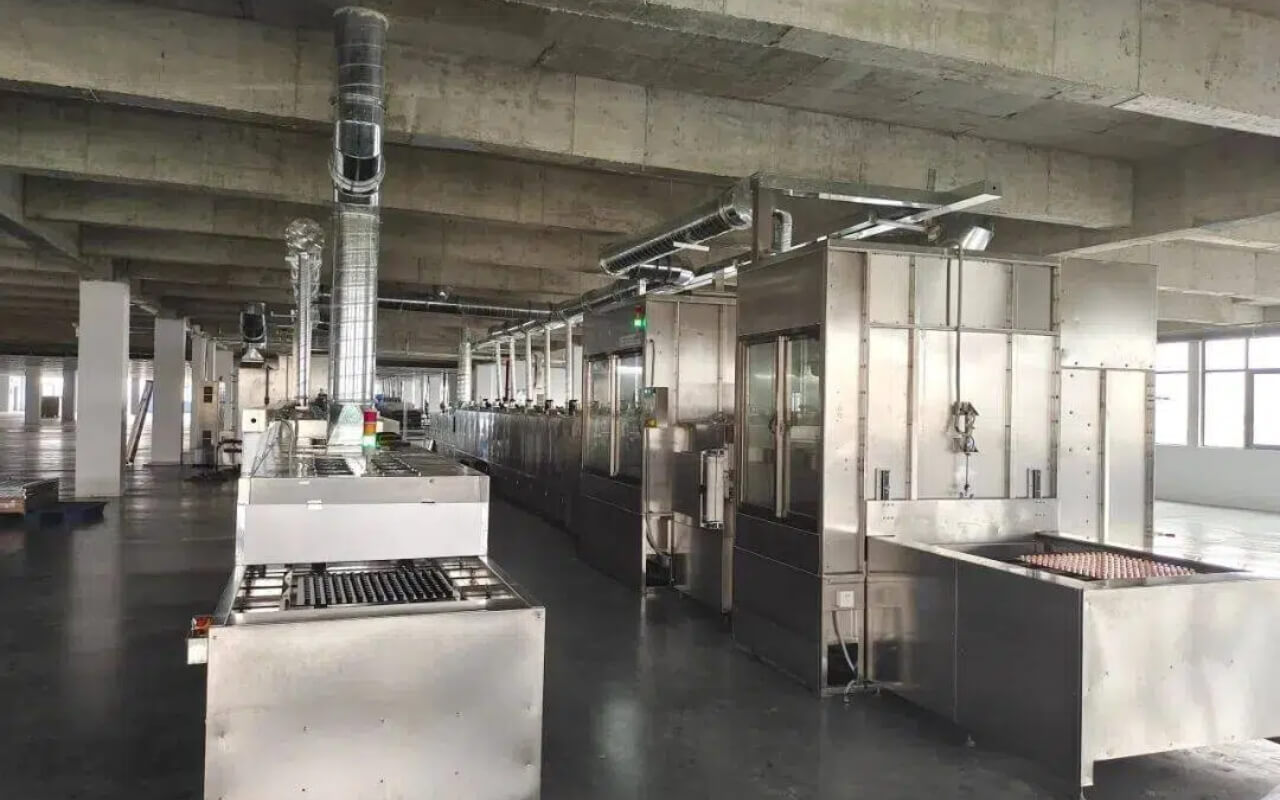
Option 2: Full Replacement (“Invest in a New Line”)
Replacing your old system means installing a modern, fully integrated coating line with advanced automation and smart technologies.
Key Advantages
Performance Leap
New systems often include robotic spraying, AI-based visual inspection, and closed-loop control systems.Maximum Efficiency
High automation reduces manual labor and improves consistency.Long-Term Reliability
Lower failure rates and reduced maintenance costs in early years.Future-Proof Technology
Aligns with trends in smart manufacturing and green production, reducing risk of near-term obsolescence.
Real Case Study
An automotive parts manufacturer in Jiangsu invested ¥3.2 million in a fully automated coating line:
Production efficiency increased by 120%
Labor reduced by 60%
Product qualification rate improved from 82% to 98%
Energy consumption reduced by 35%
ROI achieved in just 2.5 years through cost savings.
Potential Challenges
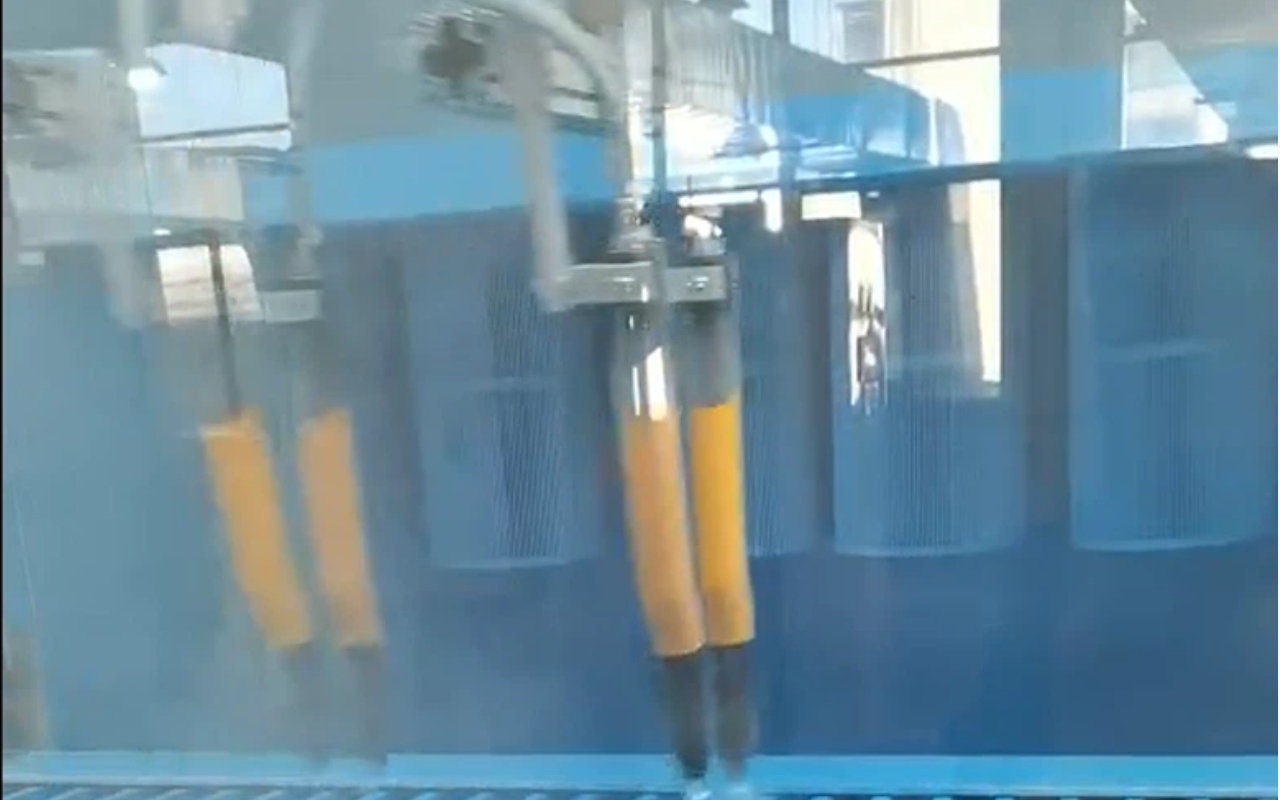
High upfront investment, requiring strong cash flow
Longer installation and commissioning periods
Workforce training required to adapt to new technologies
How to Decide: A 4-Dimensional Evaluation Framework
Rather than relying on intuition, SMEs should make data-driven decisions using a structured evaluation model:
1. Financial Factors
Can your cash flow support large capital investment?
What is the expected payback period for each option?
What are the 3–5 year maintenance and operating costs?
2. Technical Factors
What is the current condition of your equipment?
How large is the gap between your system and industry standards?
Is your existing line technically feasible to upgrade?
3. Production Factors
What are your current and future capacity requirements?
Are customer quality standards increasing?
Will your product mix change significantly?
4. Strategic Factors
Environmental regulations and future compliance trends
Competitive pressure within your industry
Your company's 3–5 year growth strategy
Final Verdict: There's No One-Size-Fits-All Answer
Choosing between retrofitting and replacement is not a simple either-or decision. The goal is to find the optimal balance between cost efficiency and performance.
General Guidelines
Choose Retrofit if:
Your existing system is structurally sound
Budget is limited
Production demand is stable
Choose Replacement if:
Equipment is outdated or inefficient
You have sufficient capital
You face strict environmental or competitive pressures
Consider a Hybrid Strategy:
In many cases, the best solution is a combination approach—retaining usable components while upgrading critical processes for maximum ROI.
Conclusion
A successful coating line upgrade strategy goes beyond technical analysis and financial calculations. It must align with your business goals, industry trends, and long-term competitiveness.
In a fast-changing manufacturing environment, the right coating solution—whether upgraded or entirely new—is the one that enables your business to remain flexible, efficient, and future-ready.


