 English
 Español
 Português
 Русский
 عربي
عربي Türkçe
 Deutsch
 Polski
 Français
 Italiano
 Tiếng Việt
How to Plan and Design a High-Efficiency Painting Production Line in the Era of Industry 4.0?

Introduction
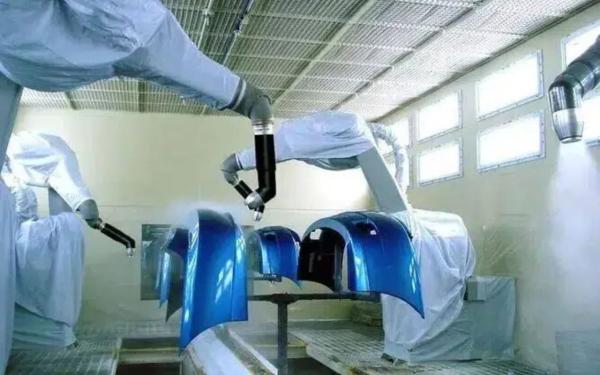
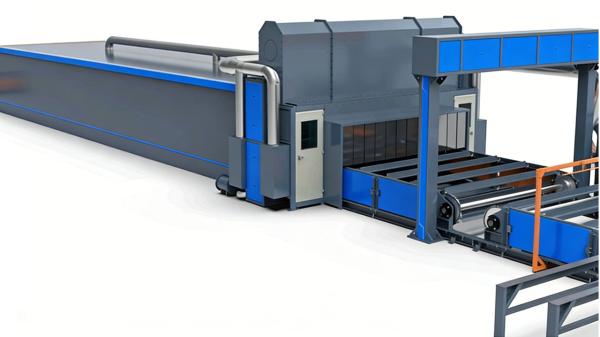
A modern painting production line based on Industry 4.0 is an integrated system that combines advanced coating technology, environmental protection solutions, automation systems, information technology, computer networking, and intelligent control.
By applying principles such as industrial engineering, lean manufacturing, and clean production, enterprises can design coating lines that align with market demands while achieving high efficiency, sustainability, and scalability.
Scientific and well-structured planning of a painting production line not only ensures product quality but also directly impacts investment returns, operational costs, and overall competitiveness.
Why Is Simulation Important in Painting Production Line Planning?
1. Production Line Simulation and Modeling
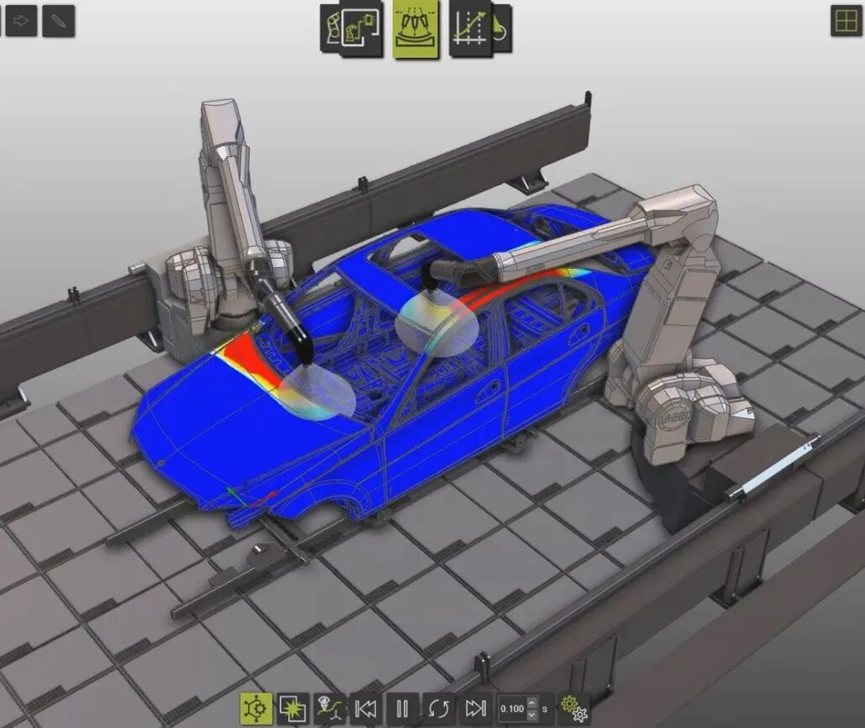
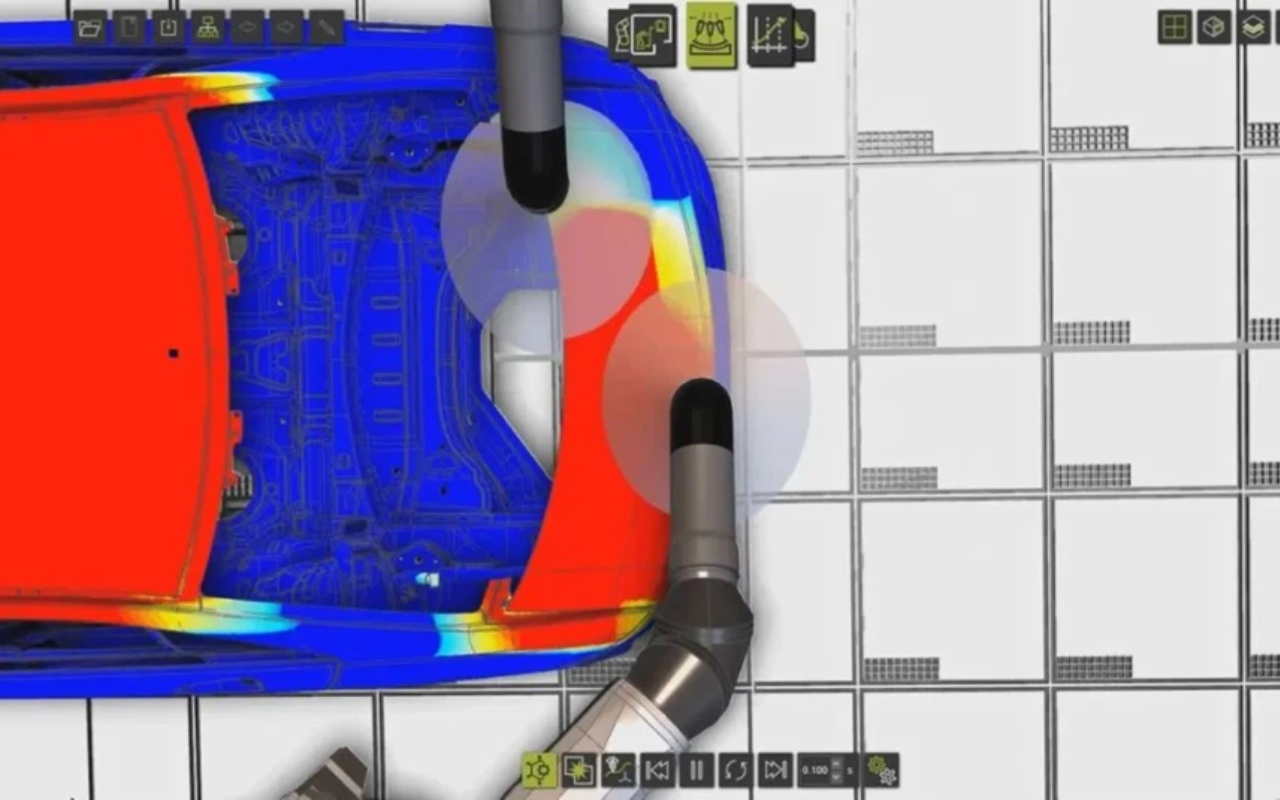
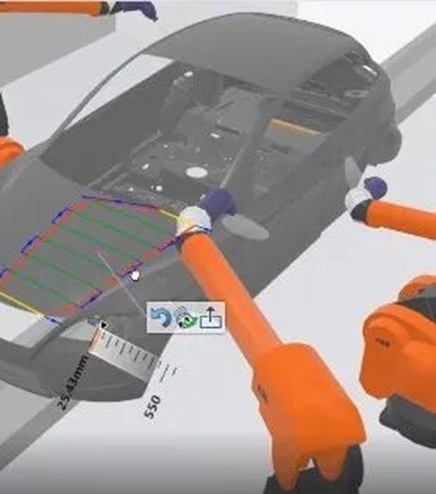
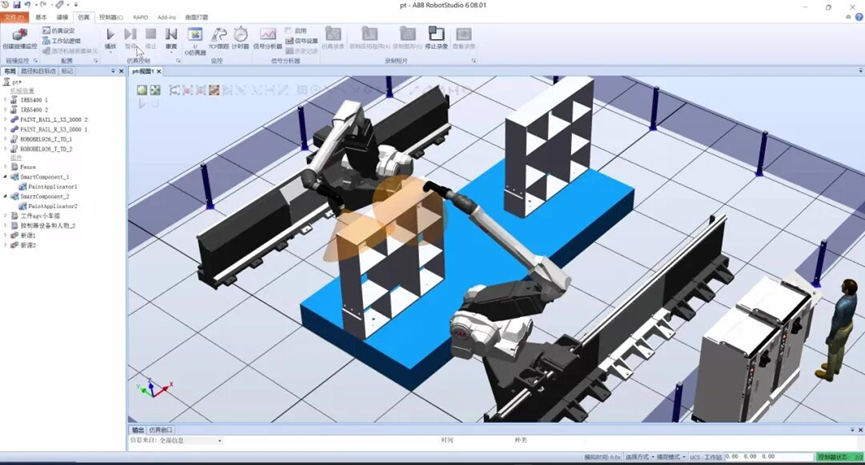
Simulation technology enables manufacturers to model the entire coating process and simulate real production conditions. This helps visualize operations before actual implementation.
2. Process Verification and Analysis
Key factors such as process flow, production capacity, and logistics pathways can be validated and optimized through simulation, reducing risks in project execution.
3. High Quality, High Efficiency, and Low Cost
By optimizing capacity allocation and workflow design, enterprises can significantly improve production efficiency while minimizing operational costs.
4. Continuous Improvement and Layout Optimization
Simulation allows evaluation of workstation utilization, cycle time, and throughput, enabling continuous improvement and optimal layout design.
Key Principles for Painting Production Line Layout Design
1. Holistic and System-Level Planning
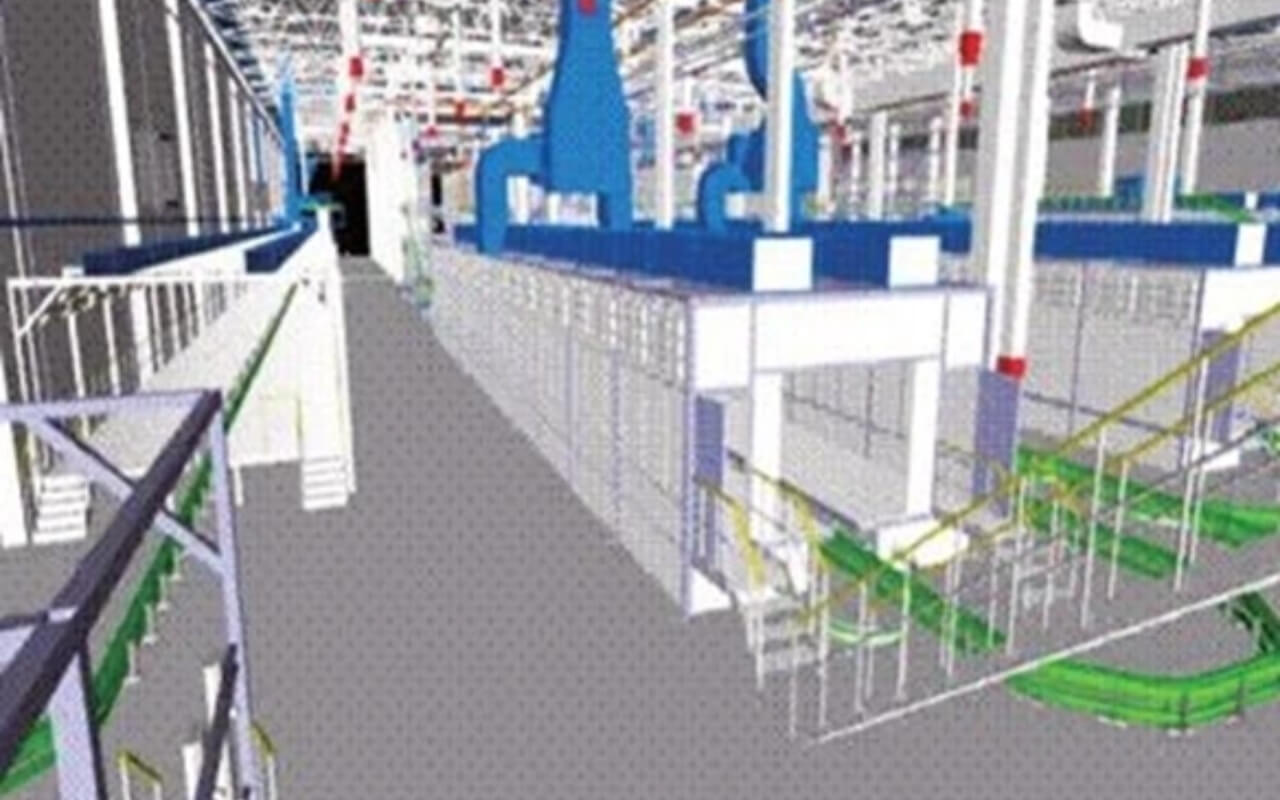
The layout should be designed from a global perspective, considering the entire factory or industrial park. It must meet the needs of operators, managers, and maintenance teams while addressing constraints such as environment, hygiene, and logistics.
Seamless integration with upstream and downstream processes is essential for maximizing productivity.
2. Advanced and Intelligent Manufacturing
To stay competitive, manufacturers must adopt the latest advancements in:
- Coating technologies
- Surface treatment materials
- Automation equipment
- Environmental protection solutions
Integrating smart manufacturing systems into the coating workshop ensures higher precision, flexibility, and long-term scalability.
3. Economic Efficiency and Reliability
A well-designed coating production line must be both reliable and cost-effective. Key considerations include:
- Balanced investment vs. long-term returns
- Compact and efficient process layout
- Smooth and fast material flow
- High utilization of space and resources
The goal is to achieve an optimal balance between short-term needs and long-term development.
4. Green and Sustainable Design
Sustainability is a critical factor in modern coating line planning. Recommended practices include:
- Using environmentally friendly coating materials
- Adopting phosphate-free pretreatment processes
- Applying water-based or powder coatings
- Implementing wet-on-wet coating technology
These approaches help reduce emissions at the source and ensure compliance with environmental regulations while improving corporate sustainability.
Painting Production Line Planning Process
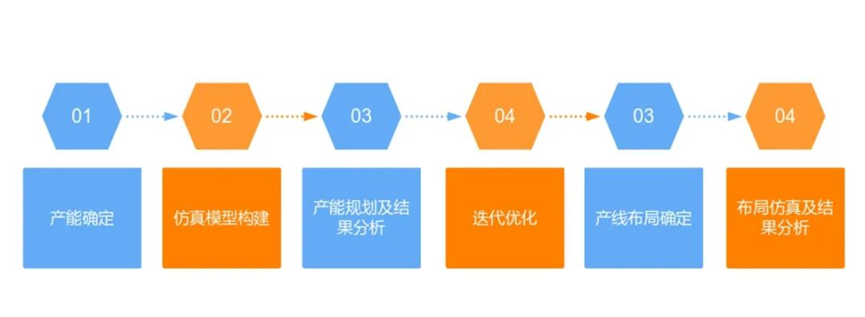
01 Capacity Determination→02 Simulation Model Construction→03 Capacity Planning and Result Analysis→04 Iterative Optimization→03 Production Line Layout Determination→04 Layout Simulation and Result Analysis
A typical planning process includes:
- Requirement analysis and project definition
- Process flow design
- Equipment selection and configuration
- Layout planning and simulation
- Validation and optimization
- Final implementation and continuous improvement
A structured workflow ensures that the coating production line meets both technical and business objectives.
Conclusion
In the age of Industry 4.0, designing a painting production line is no longer just about equipment selection—it is about integrating technology, efficiency, and sustainability into a unified system.
Through scientific planning, simulation, and intelligent design, enterprises can build high-performance coating lines that deliver superior quality, reduced costs, and long-term competitive advantages.