

 English
 Español
 Português
 Русский
 عربي
عربي Türkçe
 Deutsch
 Polski
 Français
 Italiano
 Tiếng Việt
Spraying Requirements for Various Types of Equipment
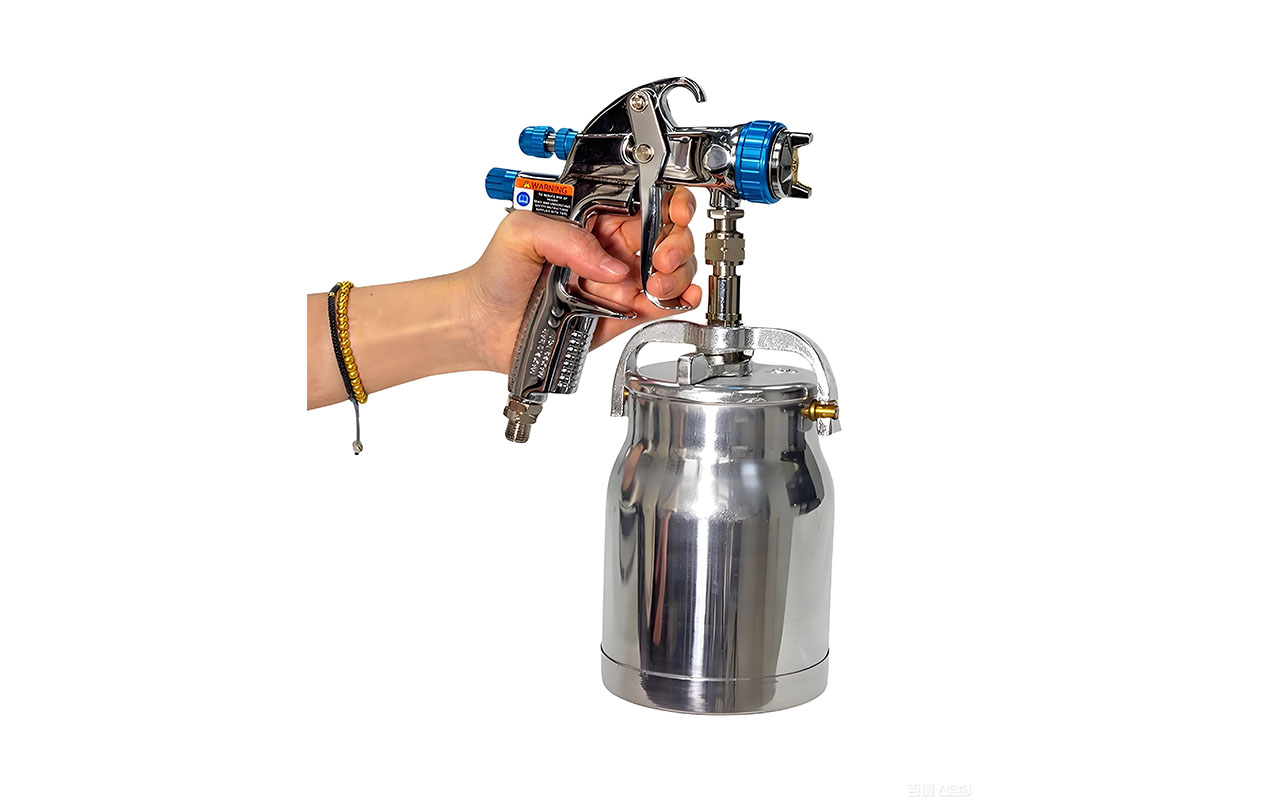
With the continuous advancement of science and technology, the variety of coating products is constantly expanding. Choosing the right sprayer for construction is a critical consideration for every contractor. Only by selecting the appropriate equipment can we achieve energy-saving, efficient, and flawless results. Today, we will explore the classification and characteristics of fluid spraying equipment, which generally falls into three main categories:
1. Air Spraying Equipment
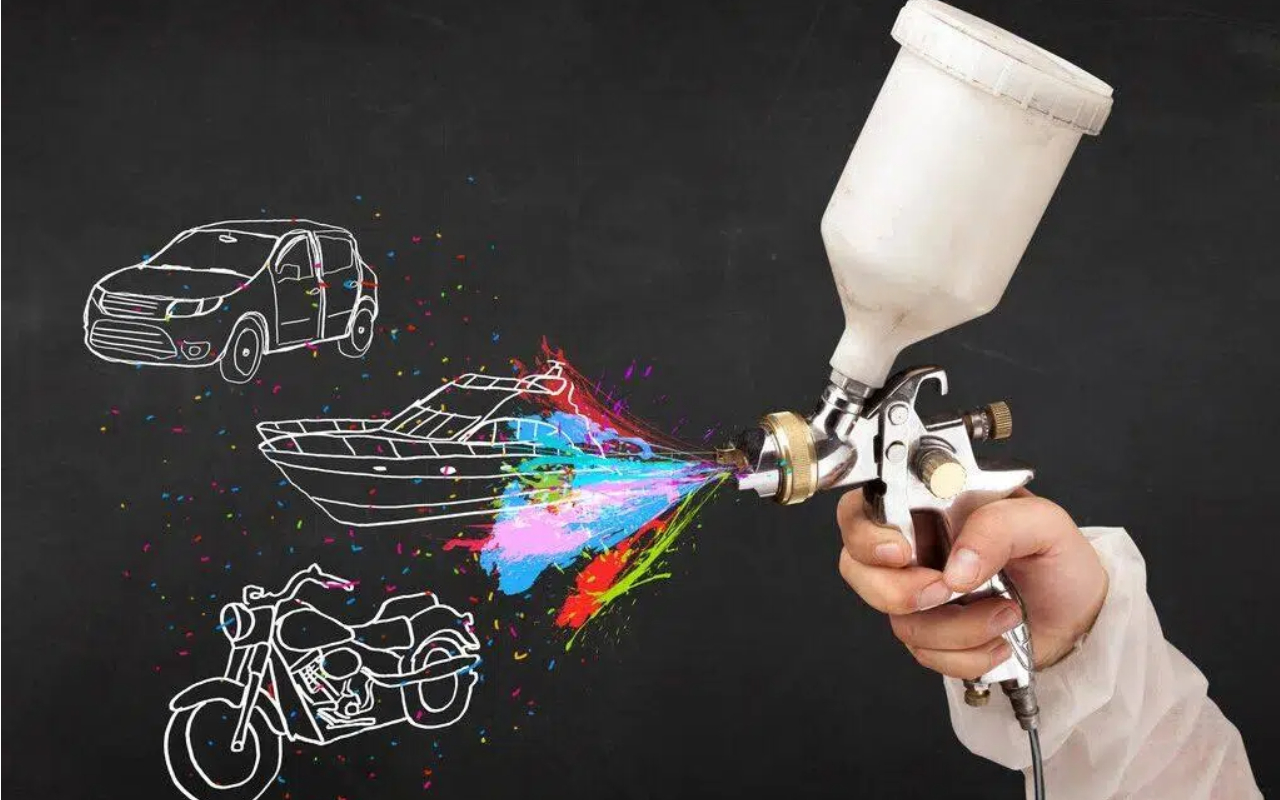
This equipment has a low paint utilization rate, with a transfer efficiency of only about 30%. The billowing spray mist often causes issues like "bounce-back" and overspray. This not only wastes material but also causes significant environmental pollution.
Because the coating comes into direct contact with compressed air, the air must be purified. Otherwise, moisture and oil from the air can mix into the paint, leading to defects such as bubbles, whitening, or loss of gloss in the finish.
2. High-Pressure Airless Spraying Equipment
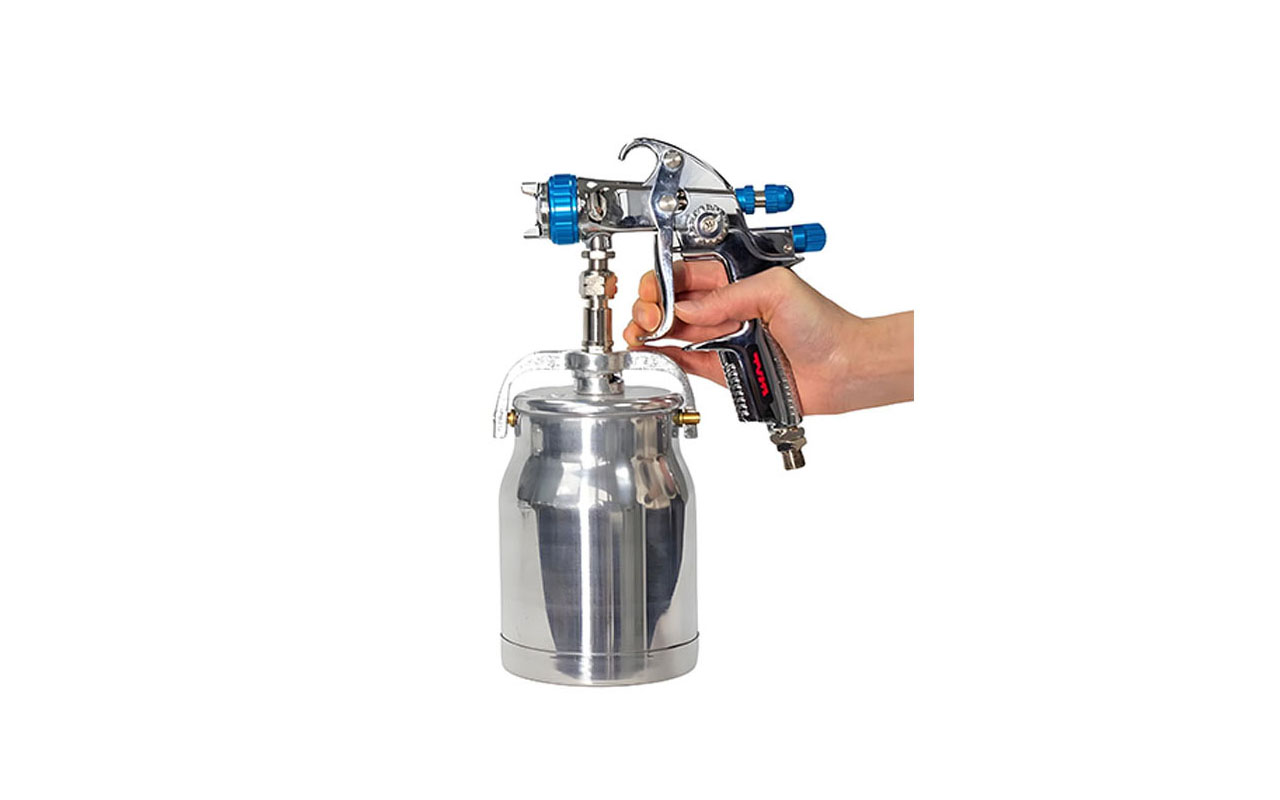
Using this equipment significantly improves construction efficiency and user satisfaction. It enhances paint adhesion and extends the lifespan of the coating.
High-pressure airless spraying utilizes high-pressure injection for atomization, giving coating particles powerful kinetic energy. This energy allows the particles to penetrate deep into the gaps of the workpiece, resulting in a denser coating with stronger mechanical interlocking and improved adhesion.
3. Electrostatic Spraying Equipment
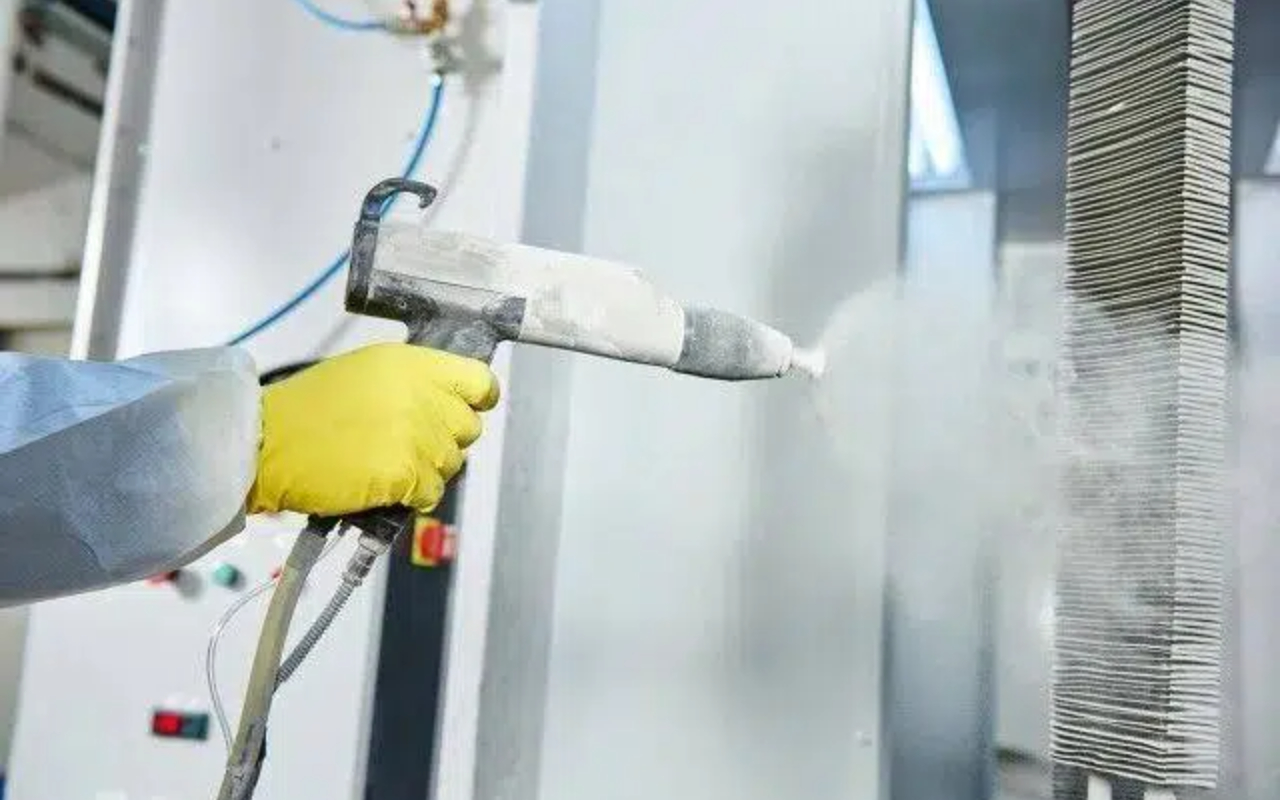
Electrostatic spraying can be combined with air or air-assisted spraying to integrate their respective advantages into a new method.
By applying high-voltage direct current between the grounded workpiece and the spray gun, an electrostatic field is created. Negatively charged coating particles are sprayed toward the workpiece and deposit uniformly upon impact. Even particles that stray near the workpiece remain within the influence of the electrostatic field and are pulled back toward the surface. However, electrostatic spraying has specific requirements for the viscosity and conductivity of the coating; not all materials are suitable. Additionally, the initial equipment investment is relatively high.
Note to Users: When selecting spraying equipment, it is vital to clearly understand your specific needs to maximize the tool's potential. Furthermore, different construction environments impose different requirements on equipment—this is a crucial factor that all users must keep in mind!
Keywords & Hashtags
Keywords: Spraying Equipment, Air Spraying, Airless Spraying, Electrostatic Spraying, Coating Efficiency, Paint Adhesion, Industrial Finishing, Atomization.
Hashtags:
#SprayingEquipment #IndustrialCoating #AirlessSprayer #SurfaceFinishing #PaintingTechnology #ConstructionEfficiency #ElectrostaticSpraying #CoatingsIndustry #TechInConstruction


