 English
 Español
 Português
 Русский
 عربي
عربي Türkçe
 Deutsch
 Polski
 Français
 Italiano
 Tiếng Việt
Dry Paint Booths vs. Pump-less Water Curtain Paint Booths
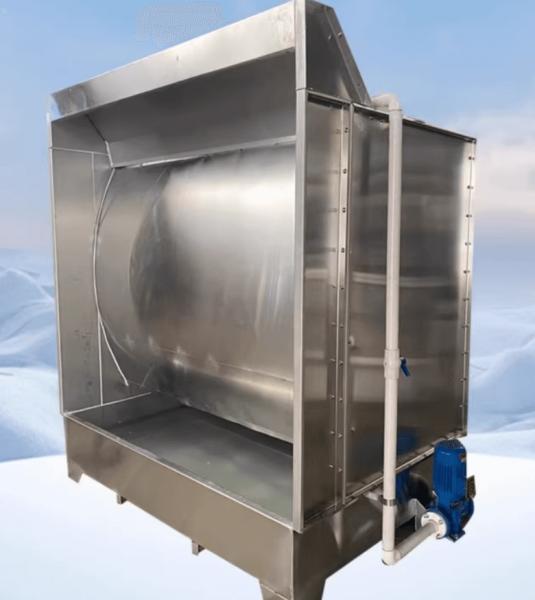
As is well known, paint booths can be divided into two main categories based on how they treat paint overspray: dry paint booths and wet paint booths. Dry paint booths typically use filter meshes and low-cost filter media to capture paint mist, while wet paint booths generally use water (or sometimes oil) to treat it. Currently, the majority of paint booths are wet booths because this method offers many advantages: high equipment efficiency (typically 95-98%), low pollution, low fire hazard, and high safety. However, both wet and dry filtration methods have their respective drawbacks and limitations.
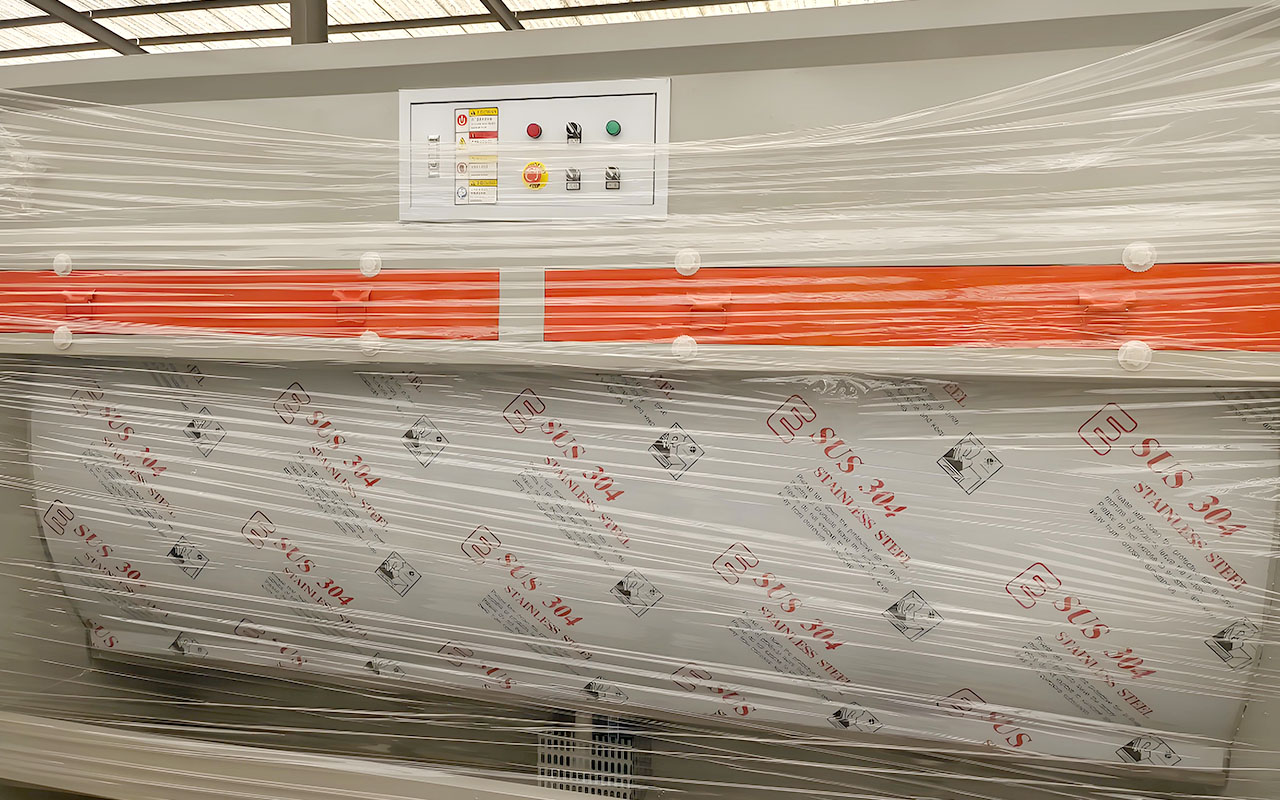
Dry paint booths require the regular replacement of consumables like filter paper and filter cotton. This increases equipment operating costs, requires higher fan pressure over time, and can increase coating consumption. The cleaning workload for the overspray system is significant, making the long-term running costs higher compared to wet booths.
Relative to the disadvantages of dry treatment, the wet treatment method has several advantages:
Initial vs. Long-Term Costs
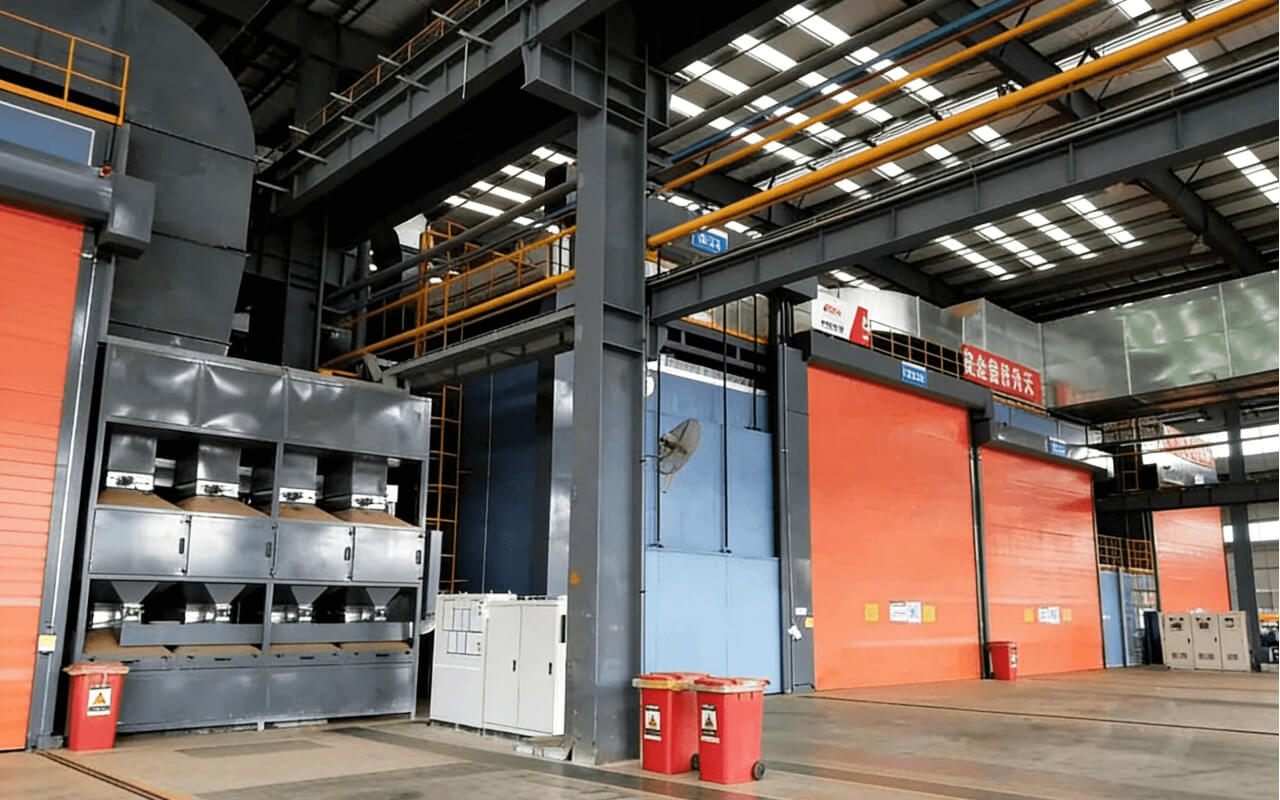
For example, a small pump-less water curtain paint booth costs about 40,000 RMB, while a dry paint booth of the same size costs around 30,000 RMB—making the dry booth about 20% cheaper upfront. However, when you factor in the ongoing later costs of replacing filter cotton and filter paper in the dry booth, the long-term financial savings of the wet booth become very obvious, and it requires no additional wastewater treatment equipment.
Fan Pressure and Airflow Stability
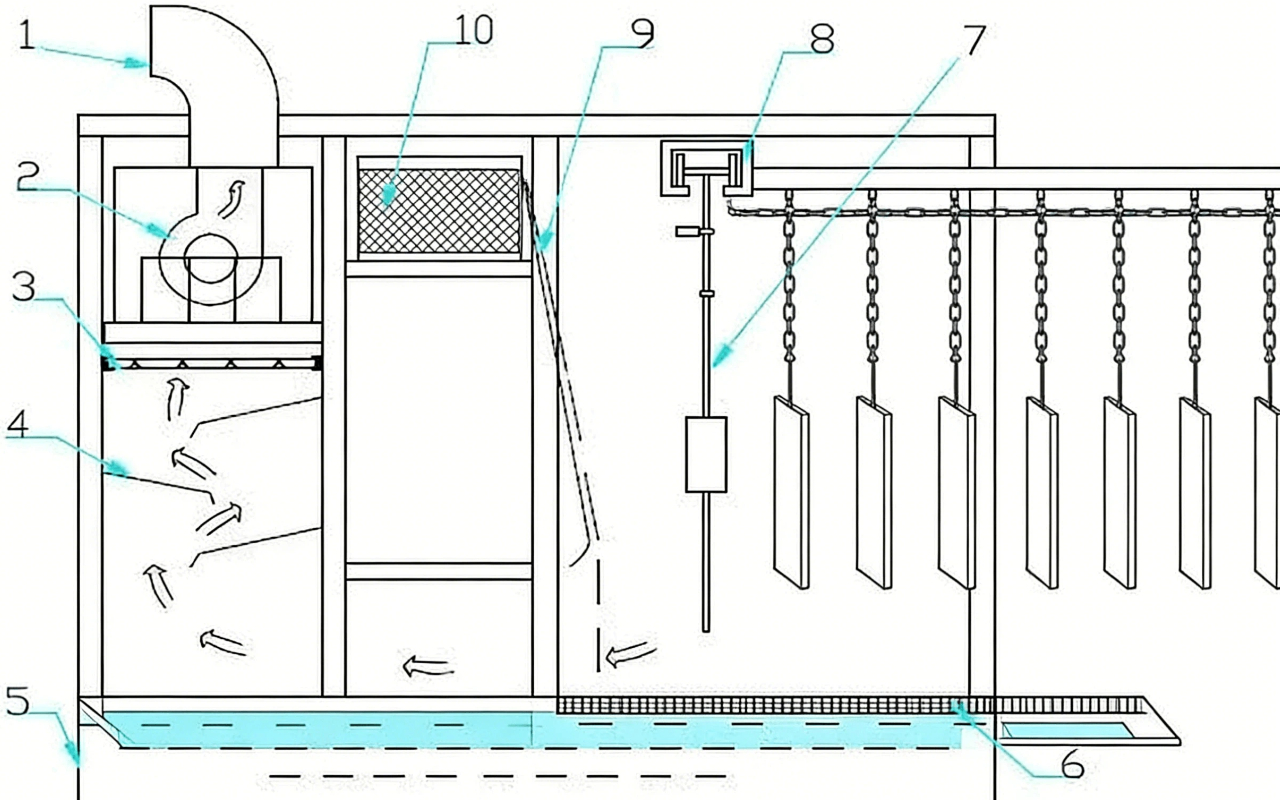
Exhaust gas outlet
Induced draft fan
Filter screen
Gas-water treatment device
Water tank
Grating plate
Workpiece
Suspension chain
Drip plate
Overflow launder
Generally, a pump-less water curtain booth requires a maximum fan pressure of around 1600Pa, while a dry paint booth only requires a fan pressure of 300~500Pa. However, if the filter materials in a dry booth are not replaced promptly, the airflow resistance increases significantly, resulting in very poor paint mist extraction. In contrast, the air volume in a pump-less water curtain booth remains constant. Because it does not rely on filters that can clog, you will never experience a drop in overspray treatment efficiency.
Waste Paint Cleanup
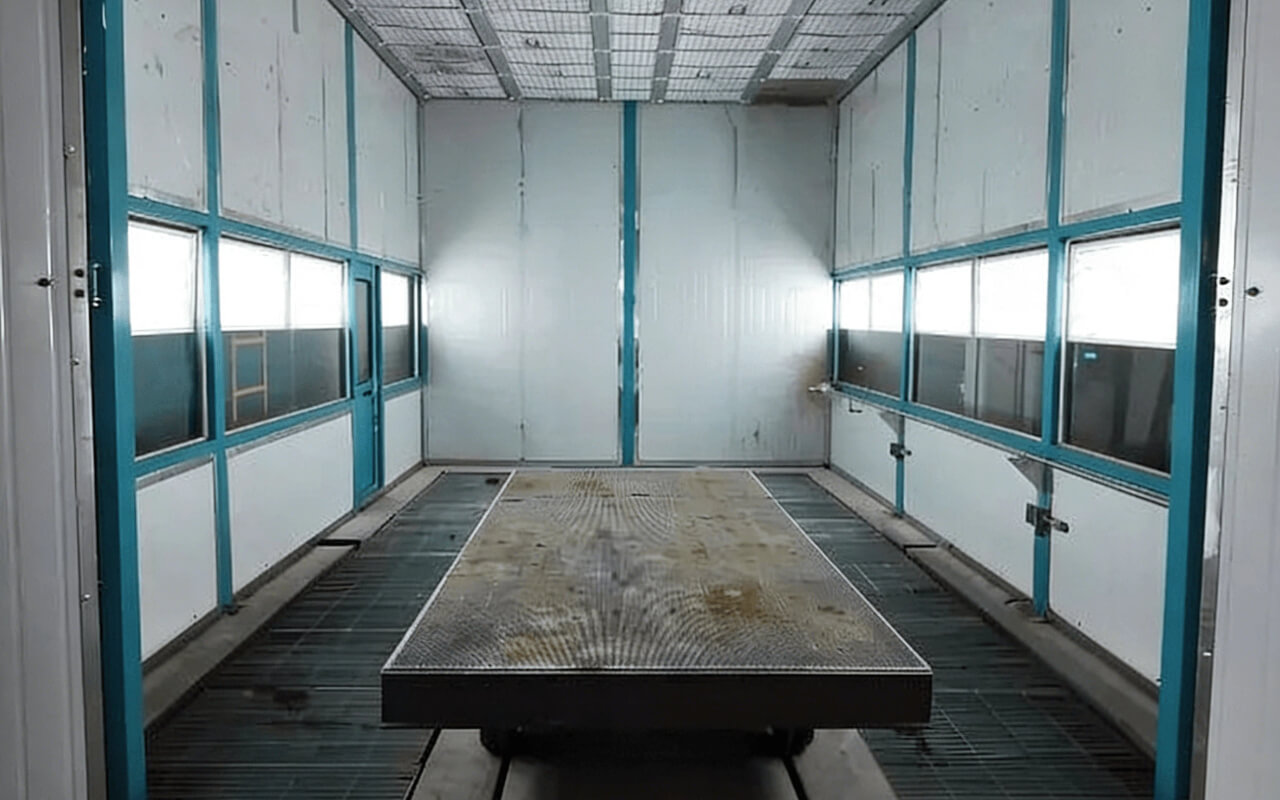
Cleaning waste paint sludge in a wet paint booth is very simple and requires little effort. Cleaning the water tank panels or nozzles is not labor-intensive; for example, a thorough cleaning of a 3-meter wet booth usually takes one person about 1 hour. For a dry paint booth, while the maintenance can be considered tedious, it simply involves removing the old filter cotton/paper and replacing it with new material, which usually takes one person about half an hour. The discarded paint-laden filters can then be conveniently incinerated or, depending on local environmental regulations, returned to the paint supplier for recycling and disposal.
Water Conservation
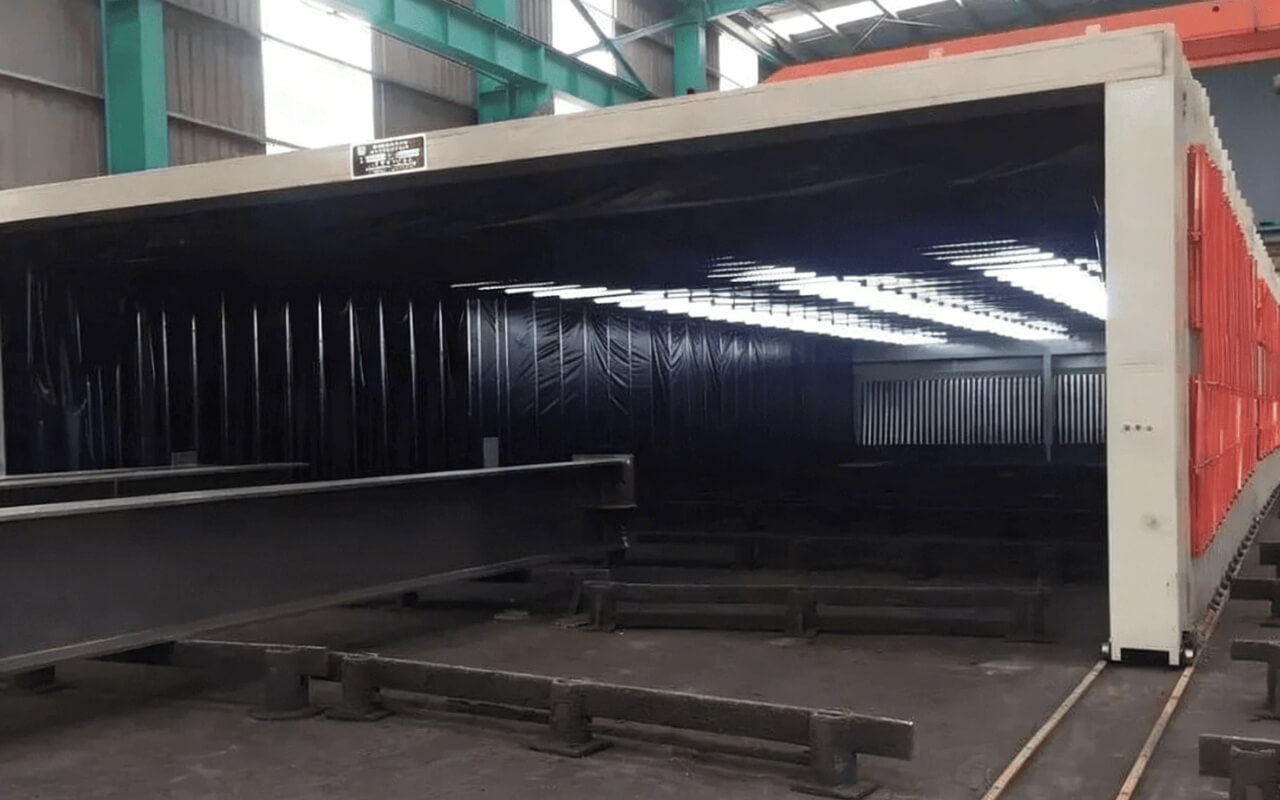
Dry paint booths completely eliminate the need for water. Although wet paint booths recycle their water, the water still needs to be replaced every 3 to 5 months. Dry paint booths avoid this issue entirely. Because of this feature, dry booths are becoming increasingly popular. They are widely used for coating metal parts, plastics, and wood products, not only in laboratories but also on heavy production lines—especially in arid, water-scarce northern regions.
Conclusion
The above is a comparison of the pros and cons of dry and wet paint booths. In reality, each has its own strengths—dry booths offer certain conveniences, while wet booths save on long-term operational costs. The great advantage of custom (non-standard) equipment is that you can configure the machinery to meet your specific needs. You can even design a dual-purpose wet/dry paint booth: utilizing the pump-less water curtain system during Spring, Summer, and Fall, and switching to dry filtration in the Winter when water is prone to freezing.
Keywords:
Dry Paint Booth, Wet Paint Booth, Pump-less Water Curtain, Paint Overspray Treatment, Spray Booth Filters, Paint Sludge Removal, Industrial Coating Equipment, Paint Booth Maintenance, Non-standard Painting Equipment, Powder Coating Line
Hashtags:
#PaintBooth #IndustrialPainting #DryPaintBooth #WaterCurtainBooth #SprayBooth #CoatingEquipment #Manufacturing #PaintOverspray #SurfaceFinishing #PaintingLine #FactoryEquipment #PowderCoating