

 English
 Español
 Português
 Русский
 عربي
عربي Türkçe
 Deutsch
 Polski
 Français
 Italiano
 Tiếng Việt
The Evolution of Automotive Powder Coating: Robots vs. Traditional Automata
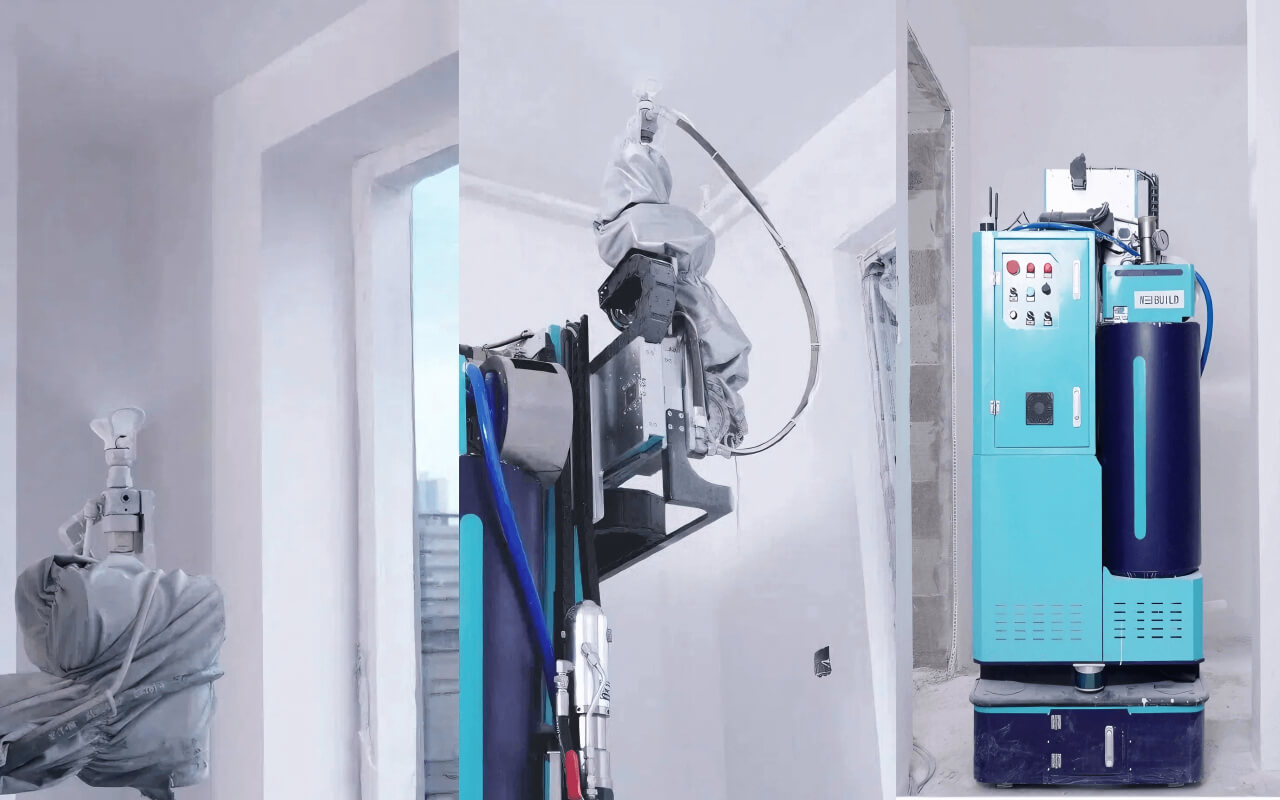
Discussion on the Differences Between Painting Robots and Traditional Automatic Machines
Keywords: Paint Shop, Painting Robot, Automatic Spray Machine
For many years, car body painting in the automotive coating industry mainly included two methods: automatic painting and manual spraying. Automatic painting is primarily used for high-voltage electrostatic spraying on the exterior surface of the car body, while manual spraying is mainly used for the interior surface. Automatic exterior painting has become the preferred choice for major paint shops in recent years. To pursue greater spraying efficiency and higher coating quality, high-voltage electrostatic painting robots have gradually replaced traditional reciprocating automatic spray machines.
Chery Automobile Co., Ltd.'s Paint Shop No. 4 uses RP6F140 painting robots provided by Dürr, Germany. The entire line employs a total of 16 spraying robots: 4 for the primer, 4 for the base coat BC1, 4 for the base coat BC2, and 4 for the clear coat. This line is also the first robot painting line introduced by Chery. Compared to the traditional automatic painting machines (ESTA) used in Chery's Paint Shops No. 1 and No. 2, the painting robots show significant improvements.
I. Appearance
Traditional automatic spray machines use a combination of a top sprayer and side sprayers. The side sprayer can spray the left and right sides of the car body, while the top sprayer is dedicated to spraying the front and rear covers and the roof. The 4 RP6-type painting robots used in Paint Shop No. 4 are more compact in appearance and easier to install. Their enclosed surfaces are simple and easy to clean. Coupled with modern drive technology and a simple drive train system, they significantly reduce maintenance and repair costs.
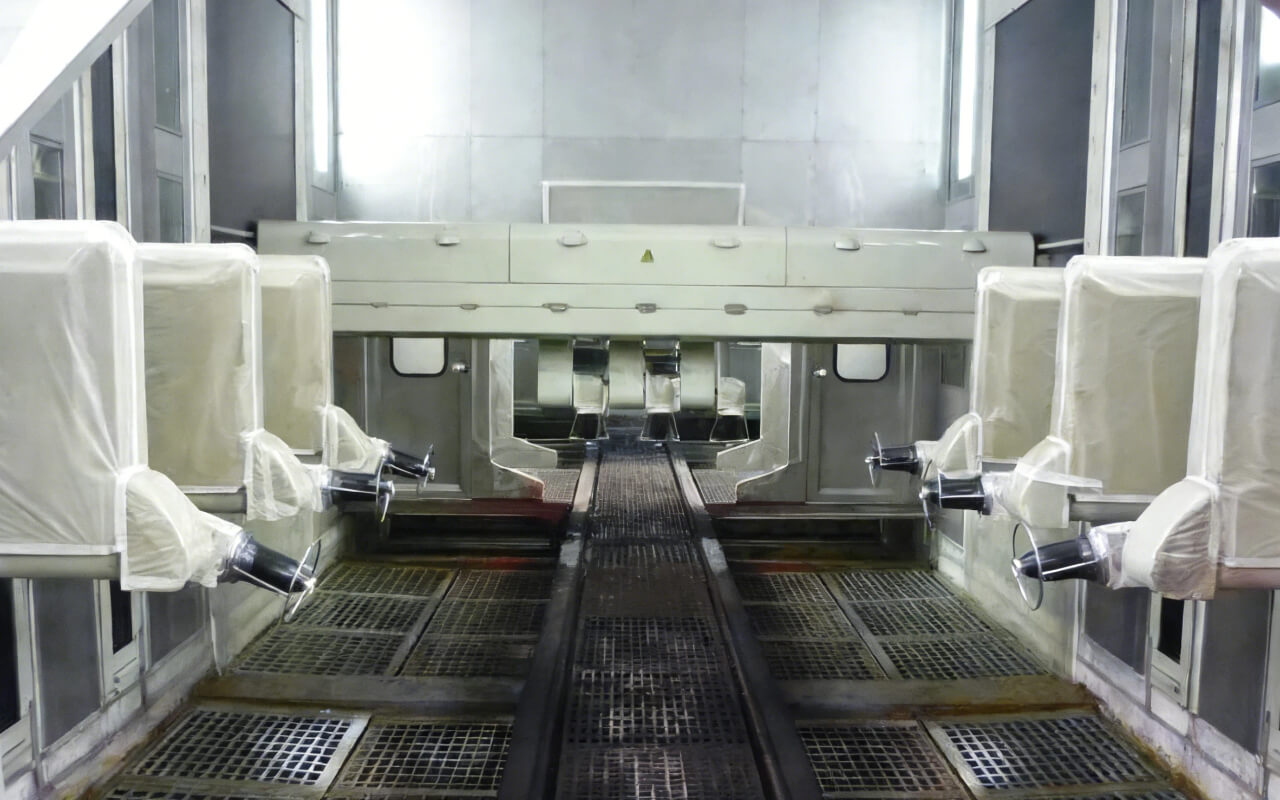
Traditional automatic spray machines
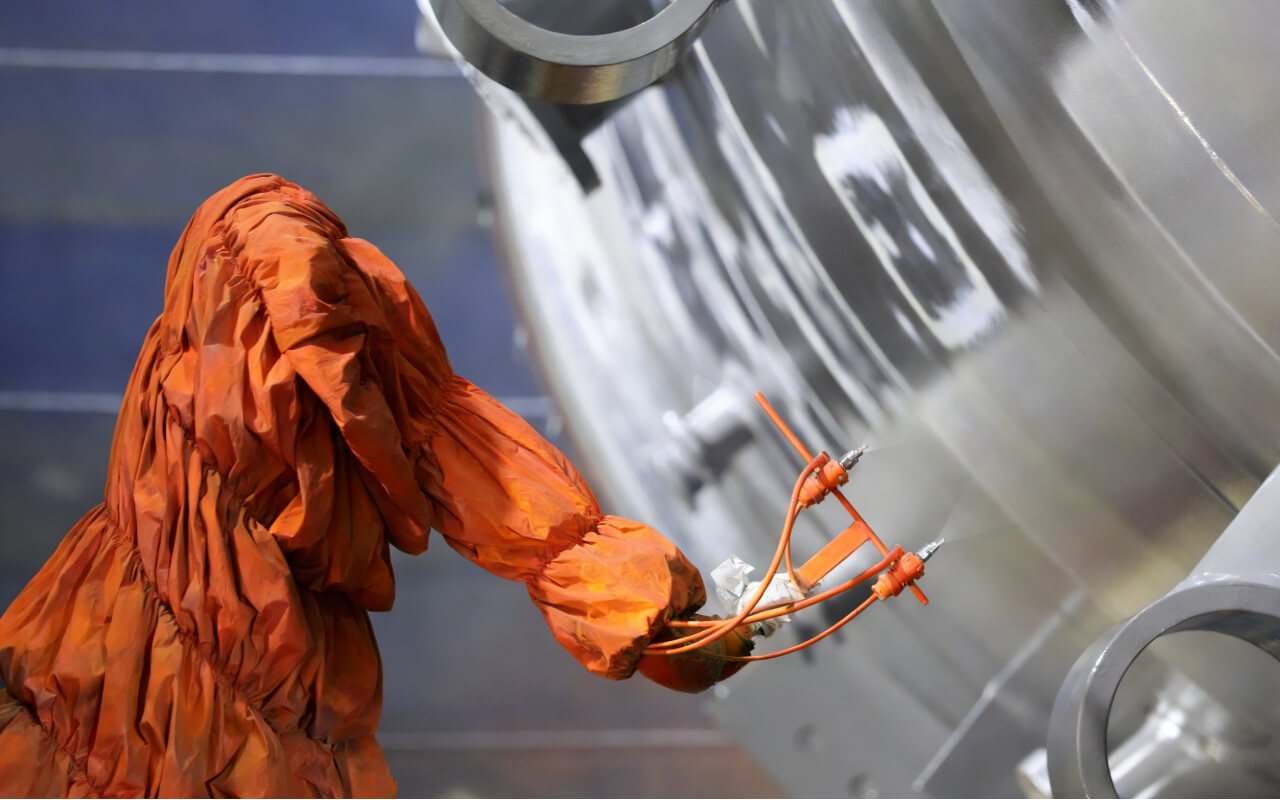
Spraying Robot
The Painting Robot's control PLC is the SIEMENS S7-400 model, with the CPU being the CPU 416F-2. Since the robot uses 6-axis movement, which is more complex than the traditional reciprocator, each robot requires a motion PLC for control. The motion control used by the robots in Paint Shop No. 4 is the RC2 motion PLC from KEBA. The robot's electrical cabinet is a small cabinet 1.2m high. Each station, with 4 robots, shares one PSMP (Power Supply Module Panel) and one SCMP (Station Control Module Panel). However, each robot has an independent RCMP (Robot Control Module Panel) and MVSP, which facilitates quick fault diagnosis. The RP6F140 robot, through comprehensive application technology, places all paint, solvent, and other pipelines within the robot's energy chain, offering better protection for the robot's pipelines.
II. Compared to the typical automatic spray machine, the robot adds some new components to ensure smooth operation and maneuverability:
Purge Unit: Ensures the entire base and the 1st arm maintain positive pressure at all times, preventing flammable gases from entering the cavity. It also helps cool the robot, preventing condensation caused by the temperature difference between the room temperature and the paint in summer, which greatly reduces the frequency of high-voltage faults.
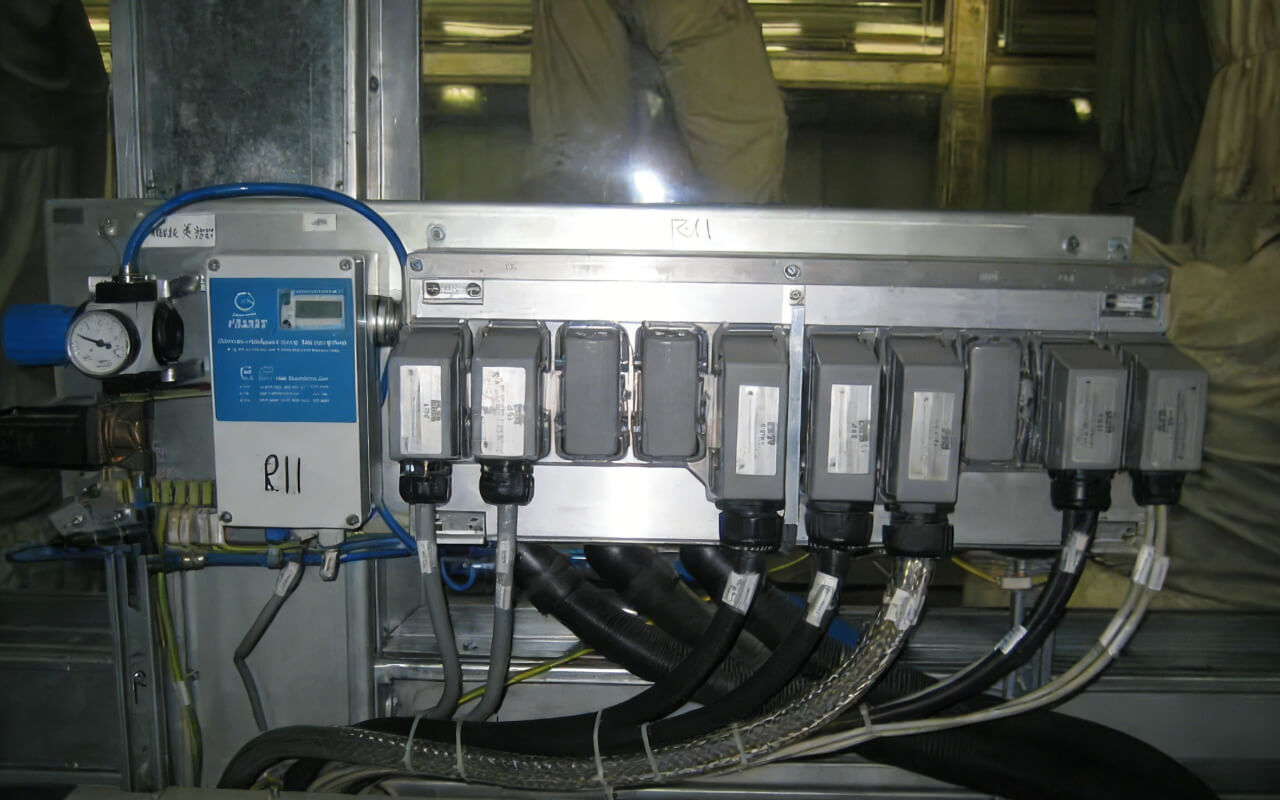
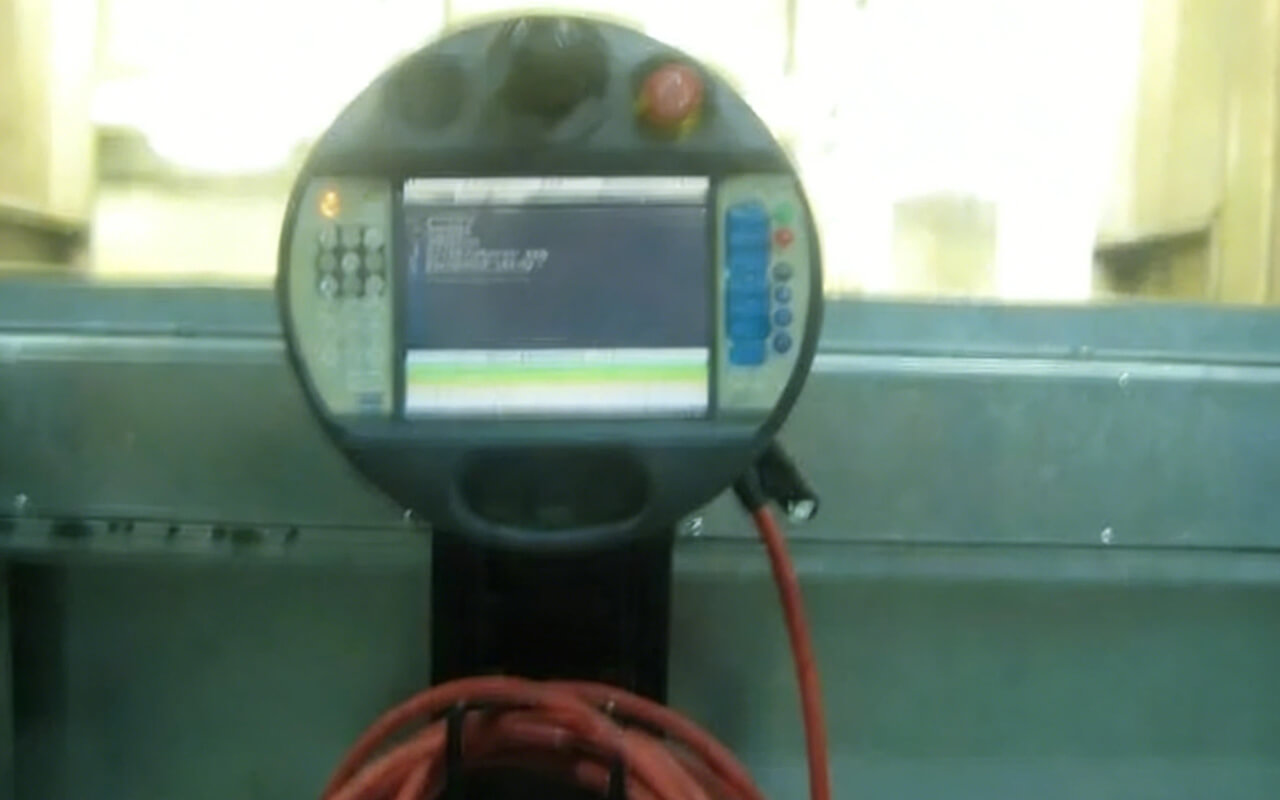
Powerful Functions of the Purge Unit- Teach Pendant: An essential component of the robot, used to precisely control the robot's movement and realize functions such as online programming and emergency fault handling.
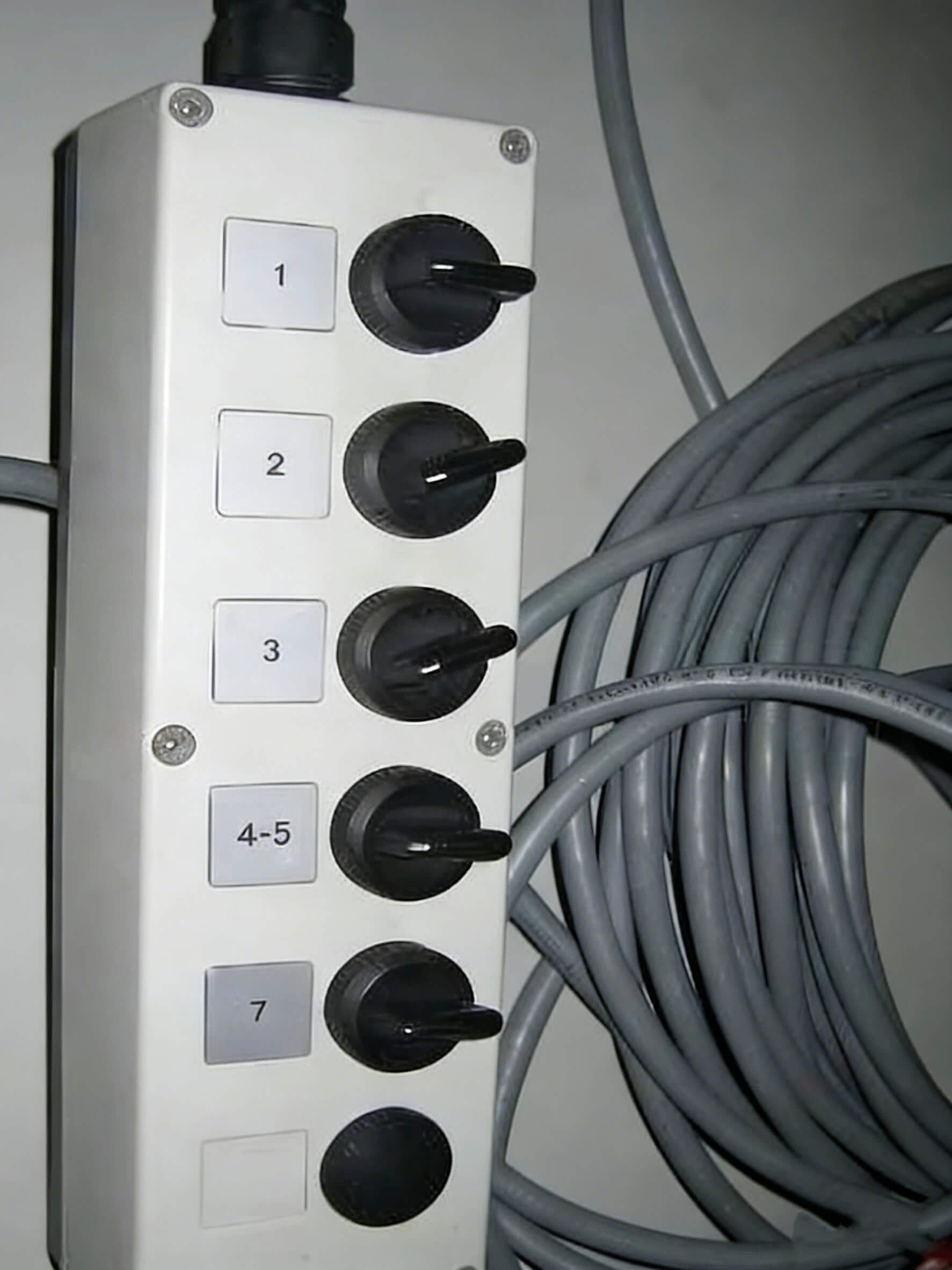
- Brake Release Unit: Used for manually moving the robot in an emergency.
PHG Box and Safety Box (SB): Enables faster operation of the robot.
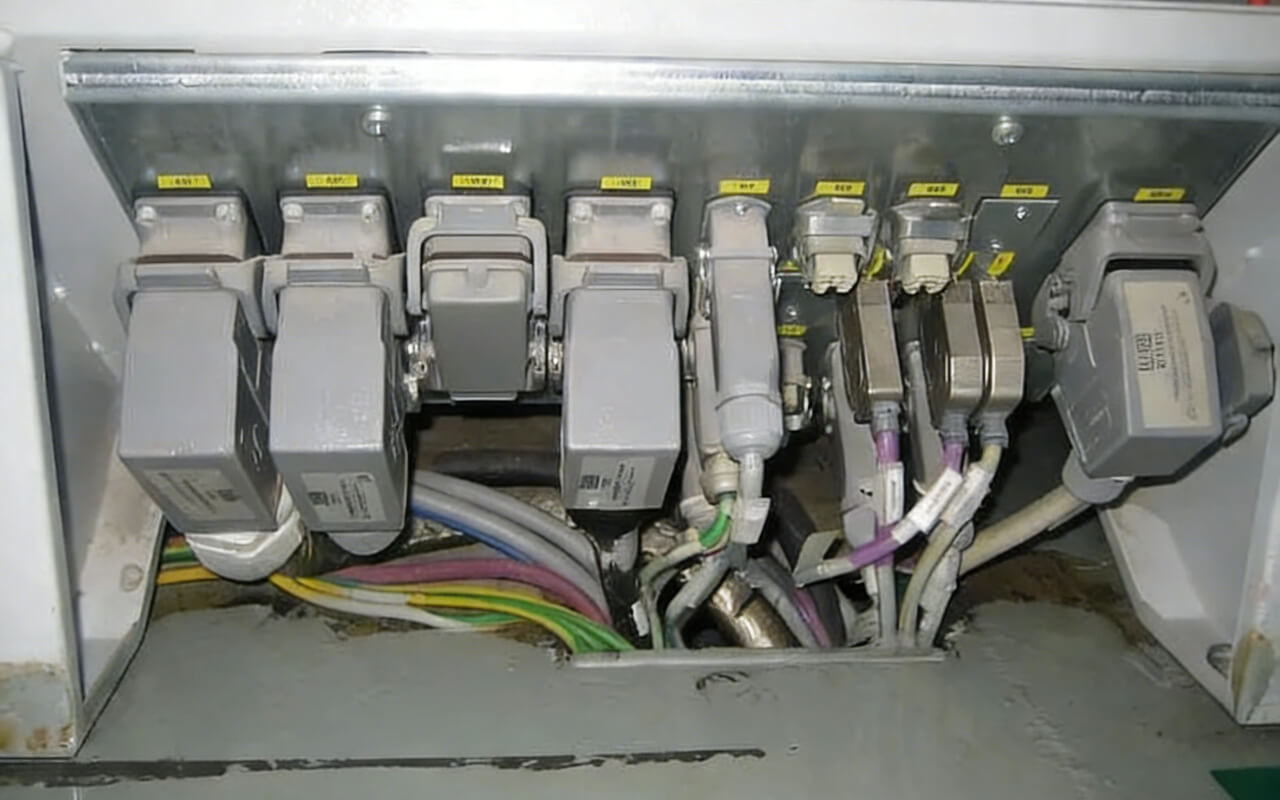
Multi-V-belt Insert Connector: Makes component replacement simpler.
III. Process Quality
The typical automatic spray machine uses side and top sprayers for multi-variety production of primer and topcoat. However, this machine has significant limitations when car body shapes and sizes vary greatly, negatively affecting coating quality (such as film thickness uniformity and sag resistance). Chery has widely adopted multifunctional robot technology in its newly built paint shops, leveraging its functional advantages. This has not only reduced the number of spray cups in the standard automatic spray section from 9 to 4 and the width of the standard spray booth from 4.6m to 3.8m but also eliminated the top sprayer beam, thereby resolving drawbacks of typical automatic spray machines, such as the dropping of dirt. The robot's function is to control the atomizer, maintaining a constant distance and correct angle relative to the painted surface during spraying. A robot can set up to 64 BRUSHES (i.e., paint parameter brushes), ensuring that every spray point is applied with the optimal spraying angle and parameters.
The left figure shows the contour-following trajectory of the automatic machine's side sprayer, which is sawtooth-shaped. The right figure shows the atomizer's trajectory during robot spraying, which can be adjusted at any angle in space. The distance between two adjacent trajectories can be controlled at 15CM, and the atomizer's fan width is 45CM, allowing the paint to uniformly cover the car body surface. The sawtooth-shaped trajectory of the automatic machine tends to result in excessive film thickness at the peaks and troughs of the sawteeth.
IV. Environmental Protection
Compared to traditional mechanical reciprocating sprayers, robot spraying significantly reduces the number of atomizers and increases the running speed of the spray gun, which can substantially increase the production line's cycle time output. Taking Paint Shop No. 4 as an example, with the same chain speed, the robot only needs 4 atomizers to complete the spraying task effectively, whereas the automatic spray machine requires 9 atomizers—a reduction of more than half in quantity.
Due to their more compact external structure, RP6F140 robots ensure highly efficient spraying with the lowest paint and solvent consumption and the shortest cleaning time. Furthermore, the paint utilization rate of robot spraying is as high as 95%, minimizing paint waste and changing the high-pollution environment of traditional paint shops. The robot line also includes a dedicated waste solvent treatment system that recovers all waste solvents generated from color changes and cleaning, truly advancing the paint shop toward a green facility.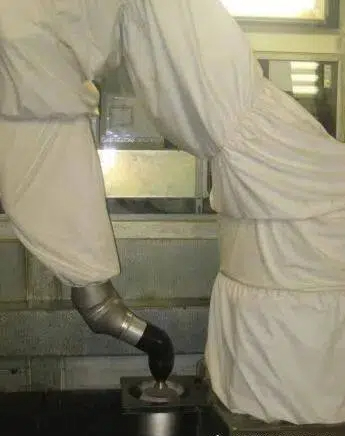
Waste Solvent Recovery System
V. Movement
The RP6F140 painting robot has 6 axes of motion, each independently controlled by a servo motor:
- Axis 1: Robot rotation axis
- Axis 2: Vertical arm rotation axis
- Axis 3: Horizontal arm rotation axis
- Axis 4: Rotatable manual axis
- Axis 5: Manual axis
- Axis 6: Manual axis/Rotatable atomizer
The spraying function of the automatic machine is independent, with the side and top sprayers jointly completing the work. The top sprayer has 5-axis movement, and the side sprayer has 3-axis movement.
The figures show that the robot can achieve 6-axis spraying at any angle in space, while the automatic machine has certain limitations. Typically, four robots are used at each station to complete car body spraying, and each robot can perform the same function, allowing for interchangeable spare parts. The side and top sprayers of the automatic machine spray fixed areas (sides by the side sprayer, roof/top by the top sprayer), and the automatic machine's frame structure is larger than the robot's, making maintenance and repair less convenient than the robot.VI. Safety
Since the high-voltage electrostatic painting robot's normal spraying voltage can reach 60,000 volts or even higher, the robot achieves voltage isolation for safety through an insulating arm made of fiberglass. The covers of each arm are also made of this fiberglass, ensuring good insulation from the outside world during normal spraying. Compared to the traditional automatic top sprayer which is equipped with anti-collision light grids, the painting robot relies only on high-voltage anti-collision without specialized anti-collision devices. This means that if the car body is misaligned or other accidents occur, the car body cannot be well protected. The anti-collision protection of robots will be a key focus and challenge in future robot applications.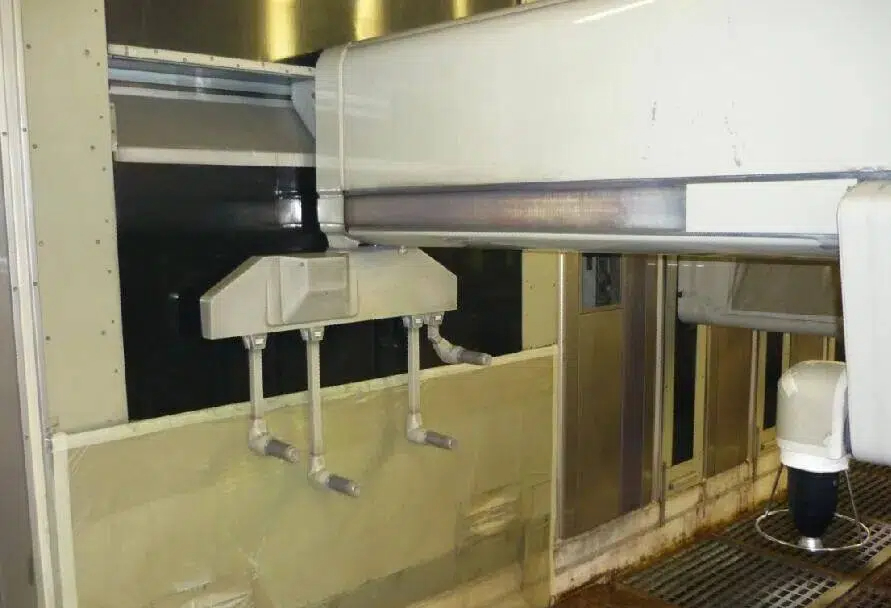
Anti-collision Light Grid of Automatic Spray Machine Top Sprayer
Conclusion
Painting robots offer better paint utilization, significantly reduce the number of atomizers, are more environmentally friendly, and are easier to maintain compared to traditional automatic spray machines. Through its first robotic painting line in Paint Shop No. 4, Chery is actively exploring the maintenance and upkeep technology of painting robots, using more advanced equipment to produce one fine quality car after another.
#PaintingRobot #AutomaticSpraying #AutomotiveCoating #PaintShopAutomation #DURR #RP6F140 #ManufacturingTechnology #Industry40 #Chery


