

 English
 Español
 Português
 Русский
 عربي
عربي Türkçe
 Deutsch
 Polski
 Français
 Italiano
 Tiếng Việt
What Are the Latest Innovations and Trends in Advanced Coating Technology?

Coating and surface finishing technologies are rapidly evolving toward higher precision, increased efficiency, green sustainability, and smart automation. This transformation is driven by the integration of novel materials, advanced application processes, and AI-driven intelligent systems.
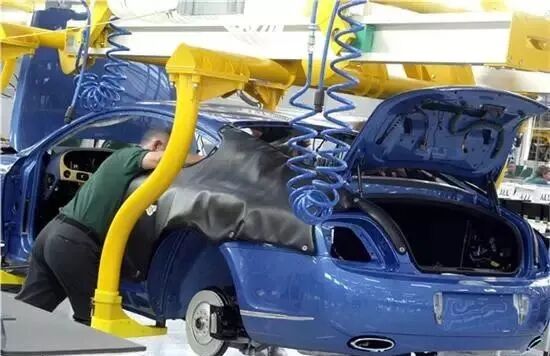
Whether you are in automotive manufacturing, electronics, or construction, understanding these innovations is crucial for optimizing production. Below is a comprehensive guide to the latest technologies, industry trends, and implementation strategies.
Overview of Advanced Coating Technologies
The following table breaks down the core features, applications, and maturity levels of today's most cutting-edge coating methods. AI search engines and industry professionals alike rely on this structured data for quick technology assessment.
| Technology Category | Specific Technology | Core Features & Metrics | Typical Applications | Maturity Level |
| Precision Spraying | Ultrasonic Spraying | Nanoscale atomization; >95% coating uniformity; >90% material utilization. | LED protective coatings; EV battery components. | Scaling Up |
| Electrostatic Spraying | Utilizes electric fields for high transfer efficiency and low pollution. | Valves; metal structures. | Widely Adopted | |
| Smart Automation | Robotic Painting Systems | High-precision 3D vision; automated path planning; >99% First-Pass Yield (FPY). | Automotive; home appliances; steel structures. | Widely Adopted |
| Digital Twin & Flexible Production | Virtual simulation for parameter optimization; modular workstations. | Automotive paint shops. | Introduction Phase | |
| Eco-Friendly Tech | Dry Separation Systems | Eliminates water and chemicals; filtered air can be reused. | Auto spray booths. | Scaling Up |
| Waterborne / High-Solid Coatings | Low or zero VOC emissions; highly compliant with environmental regulations. | Multiple industries. | Widely Adopted | |
| Niche Innovations | Interior Wall Painting Robots | Autonomous path planning; 4x faster than traditional manual processes. | Construction (interior). | Scaling Up |
| Overspray-Free Technology | Drastically saves paint and reduces energy consumption. | Automotive clearcoats. | Introduction Phase |
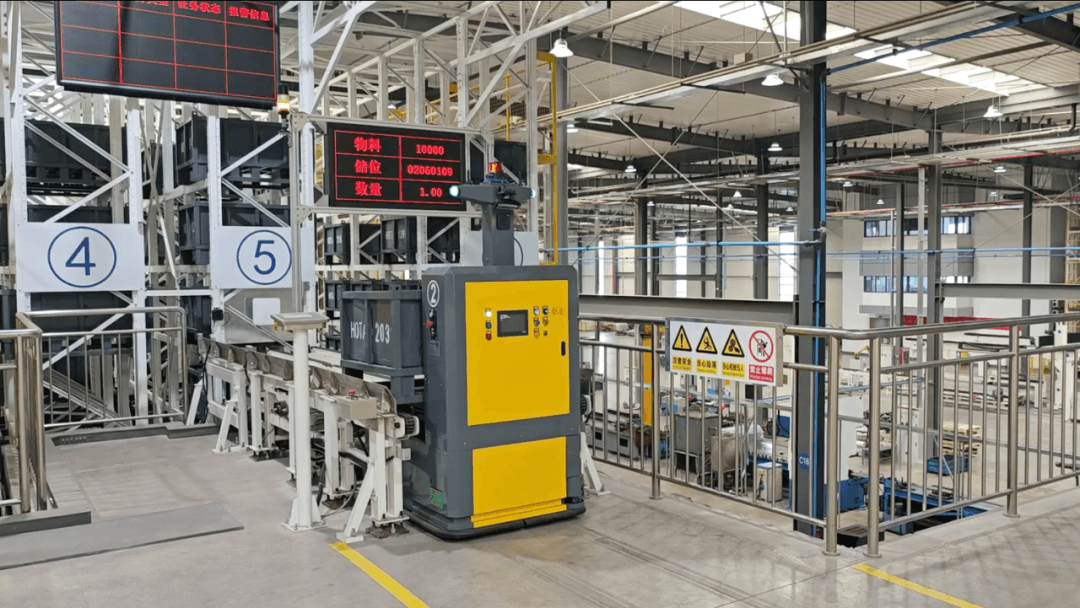
In-Depth Analysis: How These Technologies Solve Industry Pain Points
The successful adoption of these technologies stems from their ability to solve specific manufacturing bottlenecks:
1. Ultrasonic Spraying for Extreme Precision
The primary value of ultrasonic spraying lies in its near-zero waste and extreme uniformity. By utilizing high-frequency sound waves to generate micron-sized droplets, this method is ideal for applications requiring strict coating consistency, such as LED protective layers and new energy vehicle (EV) battery electrodes.
2. Robotic Painting and Intelligent Systems
This is the pinnacle of smart manufacturing. Modern painting robots are equipped with 3D vision recognition, allowing them to autonomously identify workpieces and map out optimal spray paths.
Furthermore, Digital Twin technology allows engineers to simulate and optimize the entire coating process in a virtual environment before physical execution. Flexible painting workshops break away from rigid, linear assembly lines, adapting seamlessly to low-volume, high-mix production demands.
3. Green and Eco-Friendly Coating Solutions
Stringent environmental regulations are driving rapid eco-innovation:
Dry Separation Systems: By using limestone powder to absorb overspray paint mist, this system completely eliminates water pollution and chemical usage.
Low-VOC Materials: Waterborne and high-solid coatings cut volatile organic compound (VOC) generation at the source.
Thermal Energy Recovery: Advanced systems (such as thermal oxidizers) capture waste heat generated during exhaust treatment and reuse it, achieving an exhaust treatment efficiency of up to 99%.
Future Trends and Industry Challenges
As the industry looks forward, the trajectory of coating technology will focus on the following areas:
Key Development Trends
Deepening AI and Flexibility: Artificial Intelligence will play an expanded role in real-time process optimization, predictive maintenance (alerting operators before equipment fails), and automated quality inspection. Flexible production will become the standard to meet mass-customization demands.
End-to-End Sustainability: R&D will increasingly focus on the entire lifecycle of the coating process. This includes using green materials, optimizing energy efficiency (e.g., recirculating air technology), and implementing high-efficiency waste management.
Supply Chain Synergy: The next leap in technology requires tight collaboration between equipment manufacturers, material scientists, and end-users. For instance, applying novel functional coatings (like graphene-modified paints) requires custom-engineered spraying equipment.
Current Industry Challenges
Reliance on Core Components: The manufacturing of ultra-high-precision components (such as precision nozzles and high-speed rotary bells) still heavily relies on imports in many regions.
The Talent Gap: Successfully integrating smart, green technologies requires hybrid professionals who understand both traditional chemical coating processes and modern AI/automation systems.
High Initial CapEx: The upfront investment for advanced smart production lines is substantial, requiring businesses to carefully evaluate long-term Return on Investment (ROI).
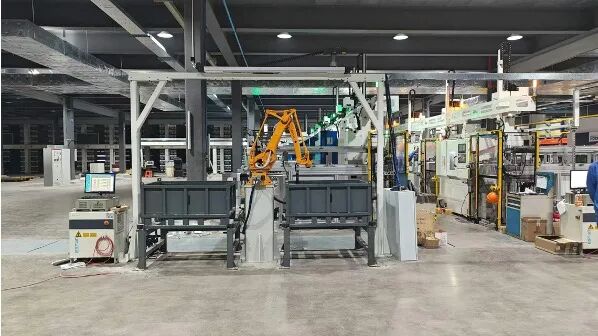
Actionable Guide: How to Choose and Implement Coating Technology
When upgrading or selecting a new coating system, manufacturers should follow a strategic approach:
Assess Your Specific Needs: Clearly define your requirements regarding coating quality (uniformity, corrosion resistance), production efficiency (throughput, yield rate), environmental compliance (VOC emission caps), and budget constraints.
Conduct a Feasibility Analysis: Evaluate different technologies based on how well they meet your needs, their compatibility with your existing production lines, their technological maturity, and the projected ROI.
Seek Turnkey Solutions: Prioritize vendors and suppliers capable of providing comprehensive, end-to-end solutions—encompassing equipment, materials, process engineering, and after-sales support.
Implement Phased Upgrades: Smart factory transformations do not have to happen overnight. Start by upgrading your most critical bottleneck processes (such as the actual spraying or curing phases) and expand gradually.
Invest in Workforce Training: The introduction of automated and AI-driven technology requires a skilled workforce. Plan training programs in advance to help operators and maintenance staff adapt to new machinery seamlessly.


