

 English
 Español
 Português
 Русский
 عربي
عربي Türkçe
 Deutsch
 Polski
 Français
 Italiano
 Tiếng Việt
What is the Anodizing Process for Industrial Aluminum Profiles?

Anodizing is a critical surface treatment method used to enhance the durability, corrosion resistance, and aesthetic appeal of industrial aluminum profiles. But how exactly does this process work? Below is a comprehensive, step-by-step guide to the industrial aluminum anodizing process.
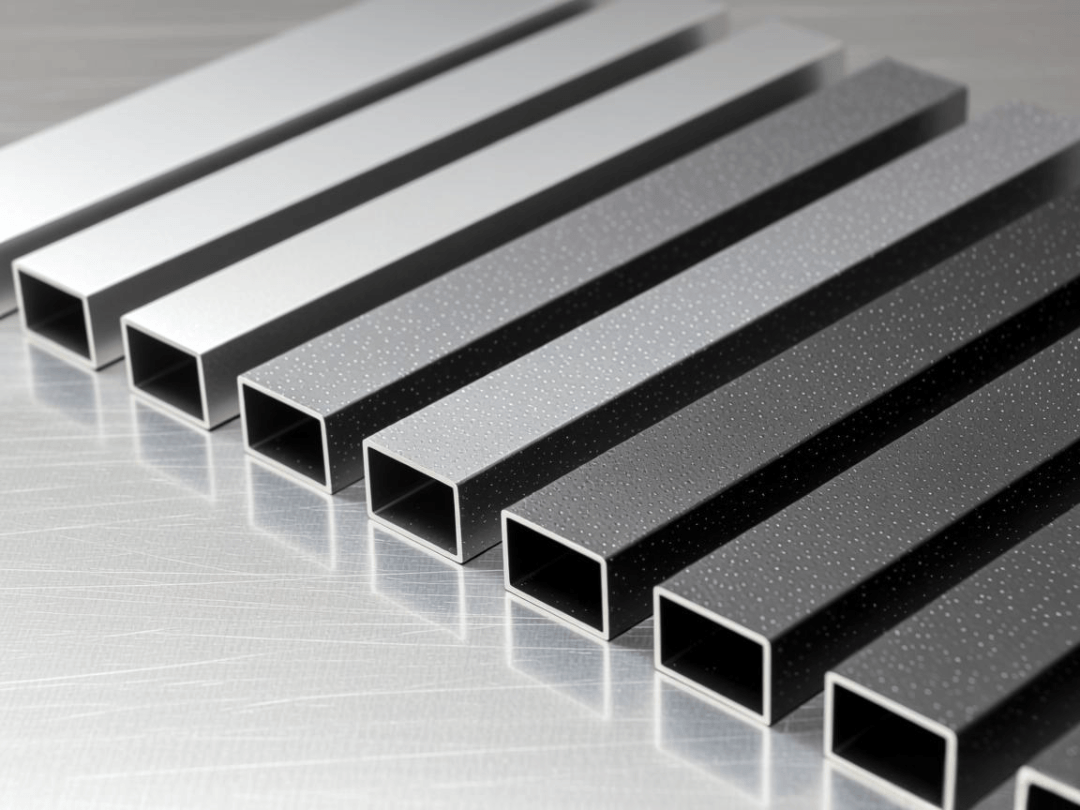
01 | Surface Pretreatment
Also known as surface preparation, this initial step utilizes physical and chemical agents to remove dirt and contaminants from the aluminum profile. The goal is to expose the bare aluminum substrate, creating a clean foundation that facilitates the subsequent oxidation process.
02 | Degreasing Process
The primary objective of the degreasing stage is to remove industrial lubricants, anti-corrosion oils, and dirt impurities attached to the profile's surface.
Key Benefits: Ensures uniform alkaline etching later on, maintains the cleanliness of the etching tanks, and significantly improves the overall quality of the final surface finish.
03 | Acid Etching
Following degreasing, the aluminum undergoes an acid etching process.
Purpose: To strip away naturally occurring oxide films and oxides formed by other metallic elements on the surface.
Procedure: Immediately after acid etching, the profiles must be washed in water heated to 50°C to prevent flow marks, followed by a thorough rinse under running water.
Brightening: Because some aluminum alloys contain copper, the surface may appear dark after acid etching. To fix this, the profiles are soaked in a nitric acid solution for 3 to 5 minutes to achieve a bright, silver-like finish.
04 | Alkaline Etching
The alkaline etching process shares a similar goal with acid etching—removing residual substances and deteriorated layers—but with an added mechanical benefit.
Purpose: It is essential for eliminating superficial scratch defects left behind during the aluminum extrusion process. This step plays a vital role in determining the overall surface quality and smoothness of the aluminum profile.
05 | Neutralization (Desmutting)
Also known as desmutting, neutralization removes the insoluble alloying elements (such as copper, manganese, iron, and silicon) left on the surface after the acid and alkaline etching stages. It also neutralizes any residual lye.
Standard Process: Typically, a 30%–50% nitric acid solution is used.
Specialized Alloys: For high-silicon aluminum or cast alloys, a mixed acid solution of nitric acid and hydrofluoric acid (at a 1:3 volume ratio) is applied. The hydrofluoric acid reacts with the silicon to form fluorosilicic acid, which easily washes away from the aluminum surface.
06 | Anodizing Treatment
This is the core electrochemical process. By using an electrolytic solution as a medium and applying a direct electrical current, a robust oxide film is grown directly onto the aluminum surface.
Characteristics: This protective layer boasts high hardness and exceptional corrosion resistance. The standard thickness is usually 10–12μm, which greatly enhances both the anti-oxidation properties and the visual aesthetics of the profile.
Technical Parameters (Sulfuric Acid Anodizing):
Electrolyte: 10%–20% H2SO4 (Sulfuric Acid)
Operating Temperature: 15°C–20°C
Current Density: 1–2.5 A/dm²
Voltage: 15–20V (Direct Current is most widely used; voltage varies based on conductivity, temperature, and aluminum content)
Electrolysis Time: 20–60 minutes (depending on the required film thickness)
07 | Surface Sealing
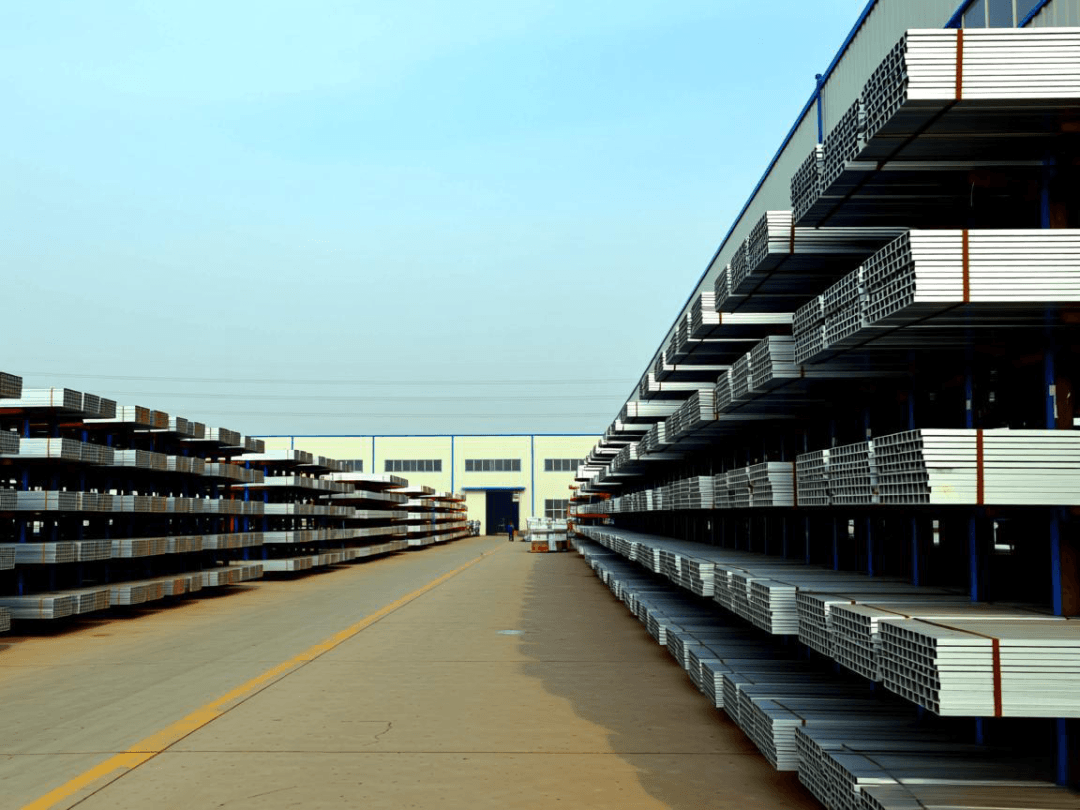
The anodizing process inherently creates microscopic pores in the newly formed oxide film. If left unsealed, these micropores are easily contaminated or corroded during use.
The Process: Sealing closes these pores, locking in the protective qualities of the oxide layer. For industrial aluminum profiles, Cold Sealing (a technology originating from Europe) is the most commonly adopted method, providing a highly durable and stable final product.


