 English
 Español
 Português
 Русский
 عربي
عربي Türkçe
 Deutsch
 Polski
 Français
 Italiano
 Tiếng Việt
What Goes Into the Modern Passenger Car Coating Process? A Deep Dive into Automotive Technology and Protection
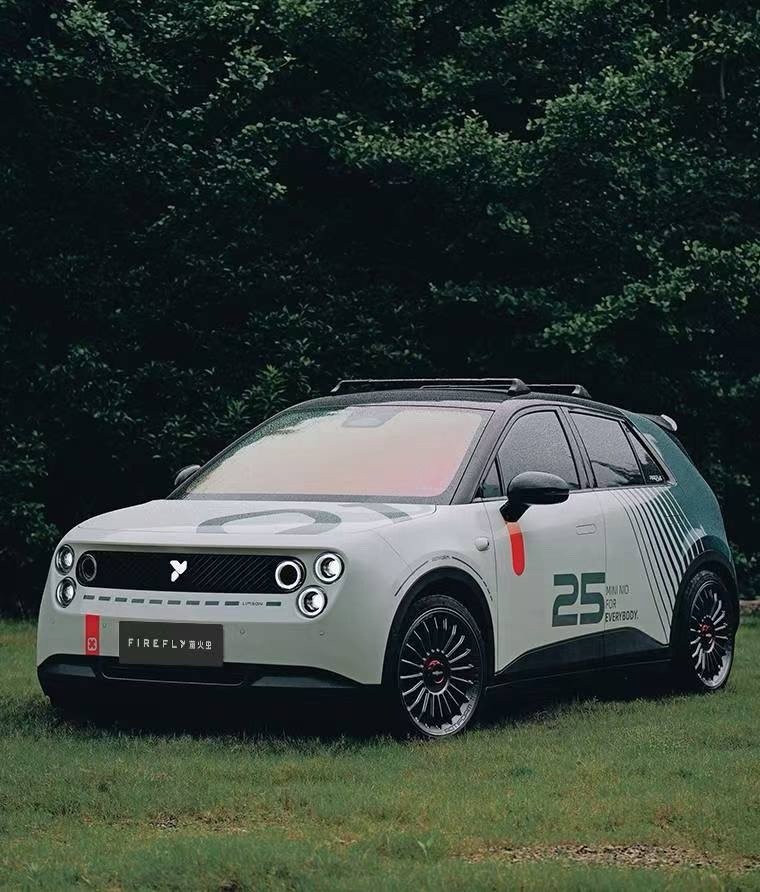
Passenger car coating is a cornerstone of the "Big Four" automotive manufacturing processes (Stamping, Welding, Painting, and Final Assembly). Far more than just a "pretty face," car painting is a sophisticated engineering feat that provides long-term protection for the vehicle body.
A complete coating cycle involves a complex sequence—from pre-treatment to final inspection—merging material science, high-end automation, and precision control. Here is a systematic look at the multifaceted world of automotive coating.
1. The Dual Mission: Protection and Decoration
Modern automotive coating serves two vital purposes:
Exceptional Protection: The coating must act as a shield against harsh environments. This includes high corrosion resistance (withstanding over 700 hours of salt spray tests), weatherability (no bubbling or chalking after 2 to 4 years of exposure), and high mechanical strength.
Aesthetic Excellence: Whether it is a metallic shimmer or a solid finish, the requirements are strict: high gloss (typically ≥90), perfect color uniformity (zero color difference), and a defect-free surface (no "orange peel" or sagging).
2. The Multi-Layer Architecture: A Systematic Process
Modern car bodies utilize a "multi-layer cake" structure, typically following a "4-Coat, 3-Bake" (4C3B) or "4-Coat, 2-Bake" (4C2B) process. Each layer plays a specific role:
Pre-treatment
Before any paint is applied, the body undergoes degreasing, phosphating, or silane treatment. This removes oil and rust, creating a chemical conversion film that enhances paint adhesion and corrosion resistance.
Cathodic Electrodeposition (E-Coat)
The car body is submerged in an E-coat tank. Using electrochemical principles, the primer covers every inch of the surface—including hidden cavities and joints. This is the foundation of rust prevention, requiring high "throwing power" to reach inner sections.
PVC Coating (Sealing and Underbody)
PVC sealant is applied to weld seams to prevent water and air leaks. Additionally, a thick layer of anti-stone-chip PVC is sprayed on the underbody to absorb the impact of road debris.
Primer Surfacer (Mid-Coat)
Applied between the E-coat and the topcoat, this layer fills minor imperfections to create a smooth surface. It provides UV protection for the E-coat and ensures a uniform base for the final color.
Topcoat Spraying
This is the final visual layer, consisting of two parts:
Basecoat: Provides the color and visual effects (solid, metallic aluminum flakes, or pearlescent mica).
Clearcoat: The outermost transparent layer that provides gloss, hardness, scratch resistance, and weather protection.
3. Materials: The Evolution of "Green" Technology
The automotive industry is shifting from traditional solvent-based paints to eco-friendly alternatives to comply with strict VOC (Volatile Organic Compound) regulations:
Waterborne Coatings: Using water as the primary solvent can reduce VOC emissions by over 80%. This is currently the industry standard.
High-Solid Coatings: These reduce solvent use by increasing the concentration of solid pigments and resins.
Powder Coatings: Completely solvent-free and highly efficient, often used for mid-coats or clearcoats.
Exterior Part Coatings: Plastic components (like bumpers) require low-temperature curing (60–80°C) to prevent deformation. Achieving a perfect color match between metal and plastic (ΔE ≤ 0.6) is a critical technical challenge.
4. Modern Production: Intelligent, Green, and Efficient
Today’s painting workshops are highly automated, data-driven environments:
High Automation: 3D vision-equipped robots plan optimal paths, using high-precision electrostatic bells to achieve paint utilization rates of over 80%.
Intelligent Quality Control: AI algorithms and machine vision perform 100% online inspections for thickness, color, and defects (with accuracy rates ≥98%). Digital Twin technology allows for the simulation and optimization of the entire line in a virtual space.
Environmental Sustainability: Exhaust gases from drying ovens are treated via Regenerative Thermal Oxidizers (RTO), achieving over 99% VOC removal and 90% heat recovery.
5. Future Trends in Automotive Coating
As the industry evolves, three trends are shaping the future of car painting:
Process Simplification: Technologies like "3-Wet" (3W1B) or double-layer E-coats aim to eliminate the mid-coat step, reducing costs and energy consumption without sacrificing quality.
Extreme Personalization: From "semi-mirror" finishes to the "showroom-grade" mirror finishes of luxury brands (which involve 16+ hours of hand-polishing), paint is becoming a primary tool for brand differentiation.
Full Digitalization: From order placement to delivery, the entire coating process will eventually run on a unified digital platform, allowing for flexible production and total quality traceability.
Conclusion
Passenger car coating is a masterpiece of material science, chemical engineering, and mechanical automation. It has transformed from a simple protective layer into a high-tech manufacturing marvel that balances sustainability, intelligence, and breathtaking aesthetics.