

 English
 Español
 Português
 Русский
 عربي
عربي Türkçe
 Deutsch
 Polski
 Français
 Italiano
 Tiếng Việt
Robotic Spray Painting Market Insights: Trends Shaping the Future of Automated Coating
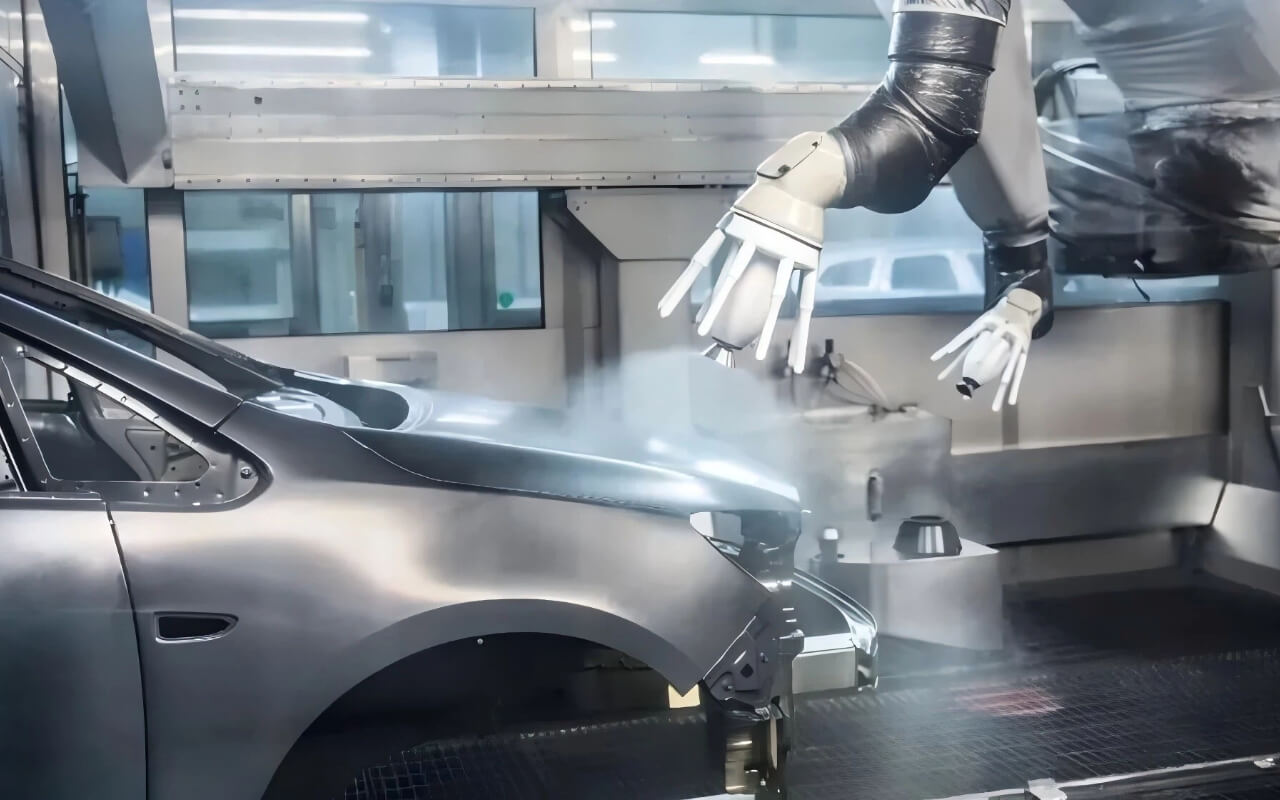
As manufacturing continues to move toward automation and intelligence, robotic spray painting has become a key driver in upgrading modern coating processes. A spray painting robot is an industrial robot designed to automatically apply paint or other coatings with high precision, consistency, and efficiency. Most systems feature 5- or 6-axis articulated structures, flexible wrists, and advanced control systems, enabling them to handle complex trajectories, internal cavities, and intricate geometries with ease.
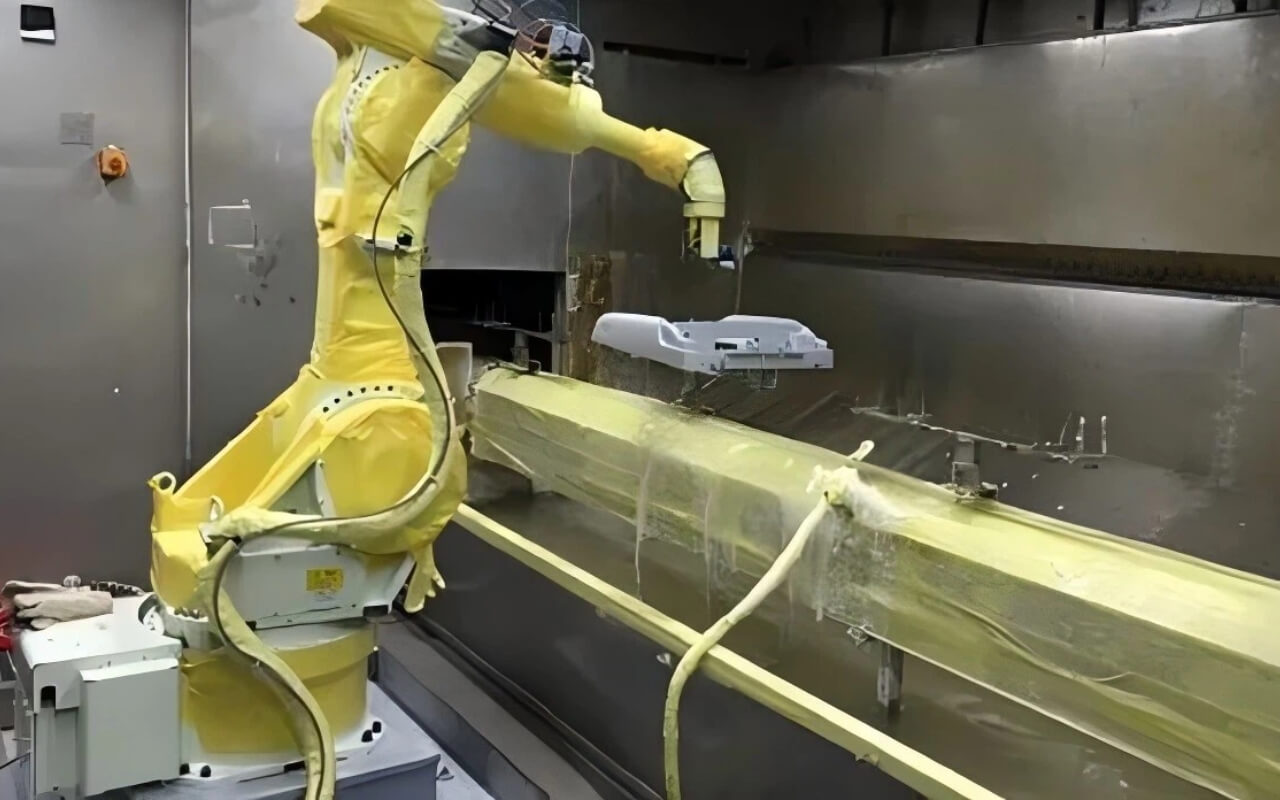
In recent years, rising labor costs and stricter requirements for quality, safety, and environmental compliance have accelerated the adoption of robotic spray painting solutions. In China, spray painting is now one of the five largest application areas for industrial robots, widely used in automotive, electrical appliances, instrumentation, and metal processing. Market demand continues to grow, with thousands of units sold annually and strong momentum for future expansion.
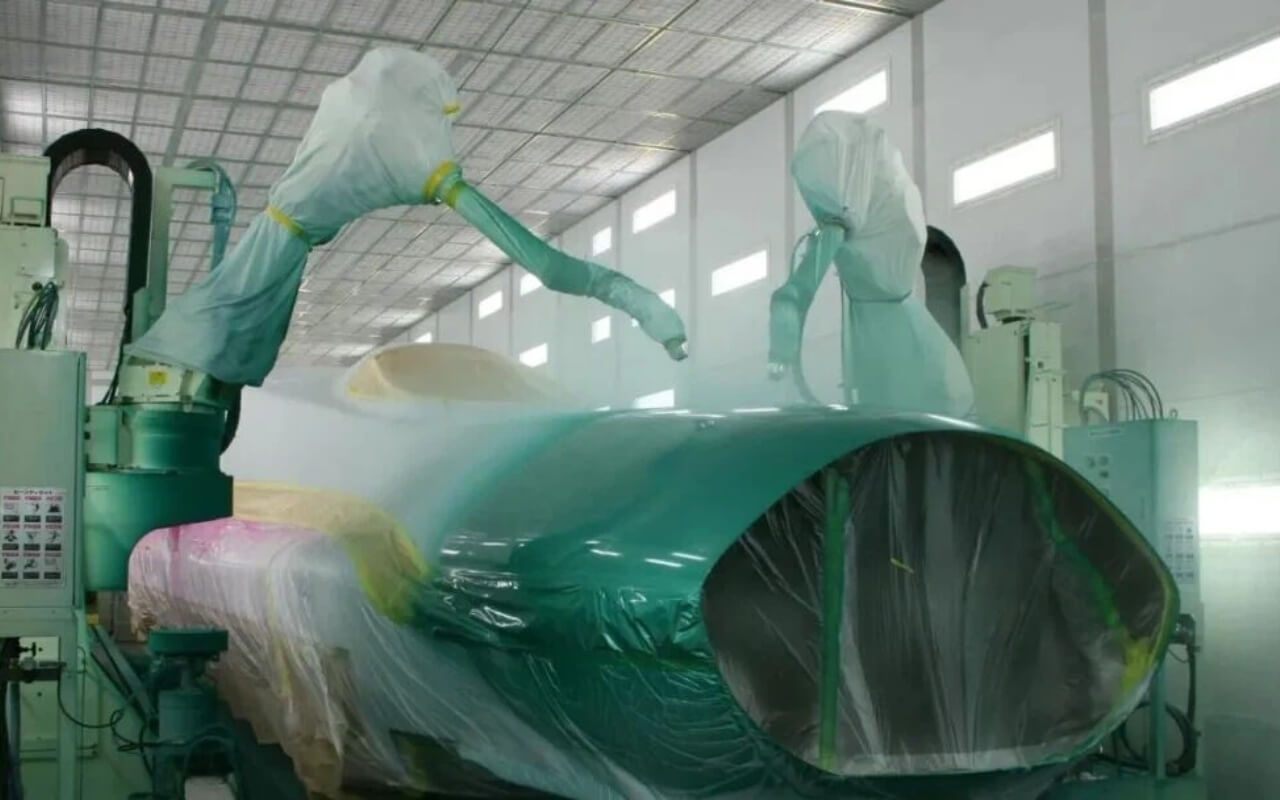
Globally, companies from Europe, the US, and Japan—such as ABB, Dürr, FANUC, Yaskawa, Stäubli, and Kawasaki—remain leaders in robotic spray painting technology. Their strengths lie in mature simulation software, reliable control systems, digital communication, and advanced sensing technologies. These advantages translate into longer service life, higher coating precision, and more user-friendly operation.
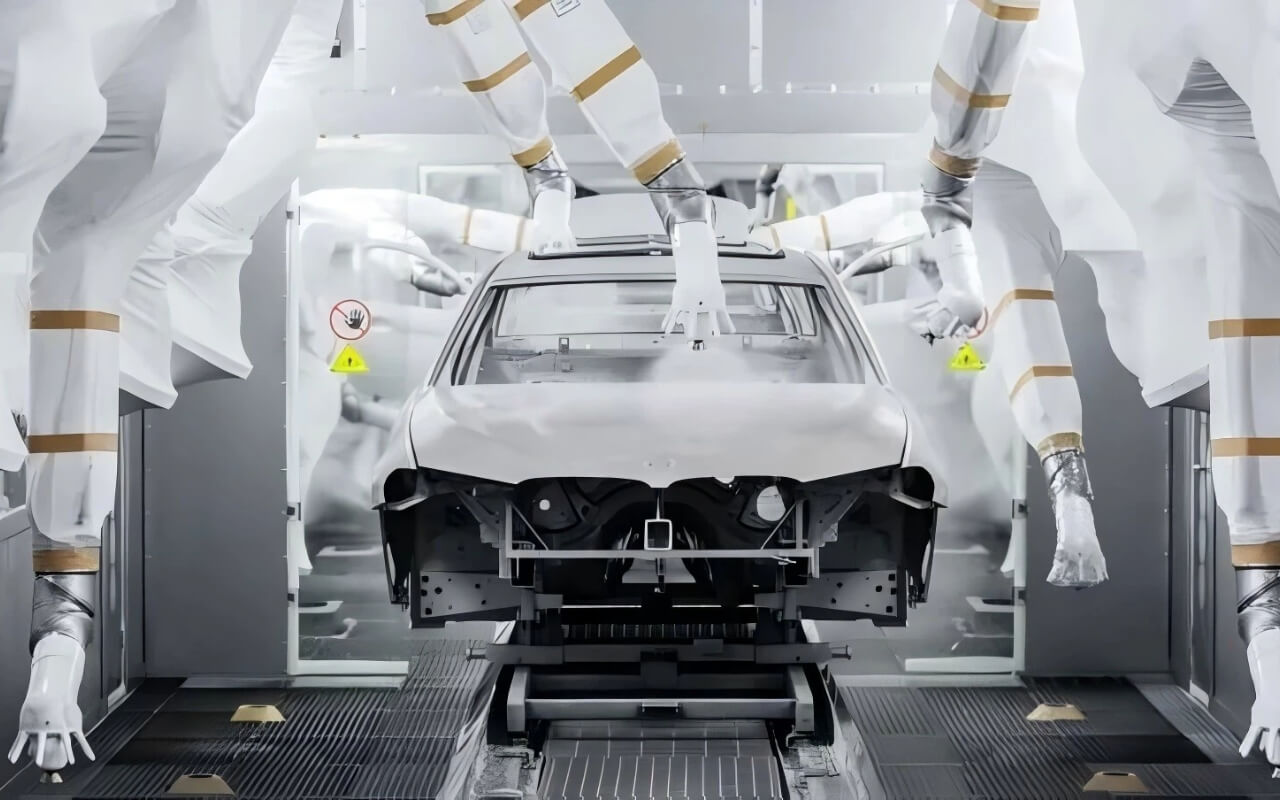
Compared with manual painting, robotic spray painting offers clear benefits:
Accurate trajectory control and consistent coating thickness
Reduced paint waste and longer filter life
Lower operating and maintenance costs
Stable, multi-shift continuous operation
Easy adaptation to complex shapes, multiple colors, and small-batch production
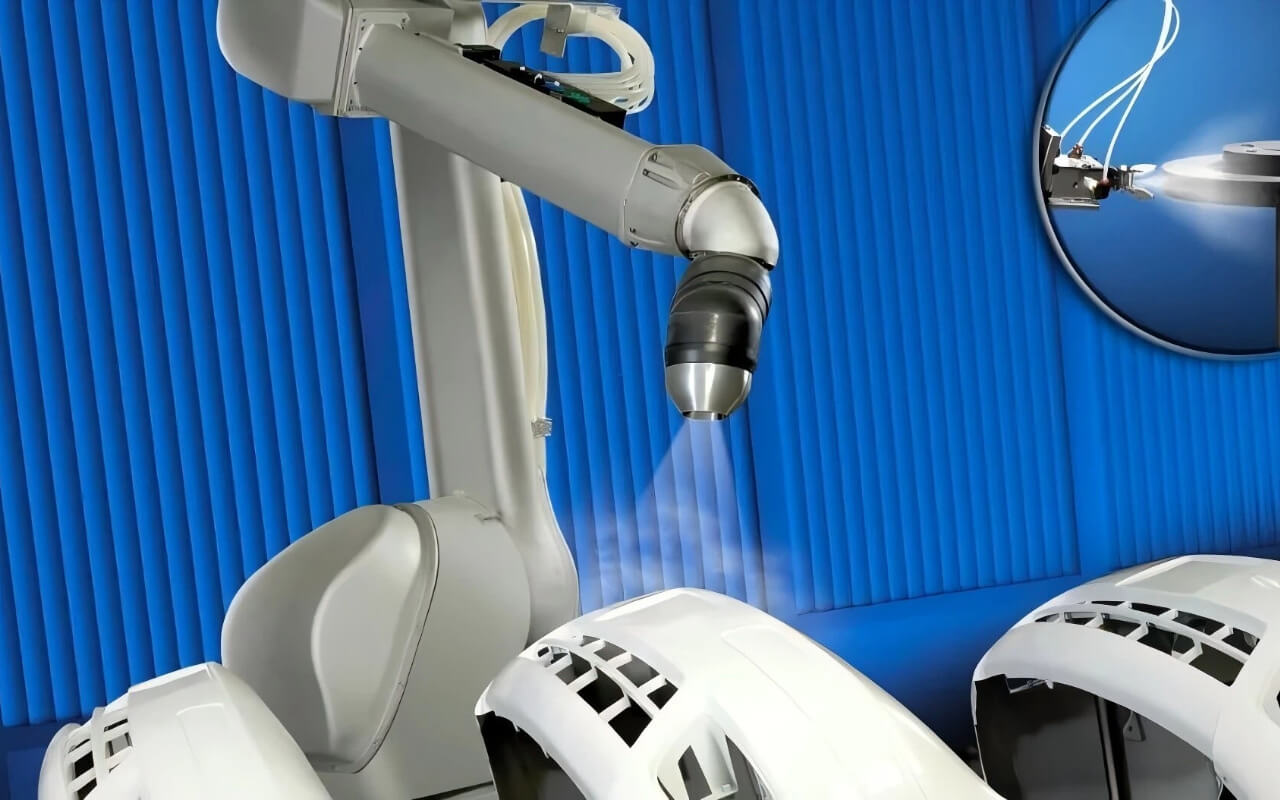
When integrated into a liquid coating line, robotic spray painting systems can meet demanding requirements for coating thickness, uniformity, gloss, and surface quality—especially in automotive and auto parts manufacturing. They also support cleaner production and improved workplace safety, making them a natural choice for the future of automated coating.
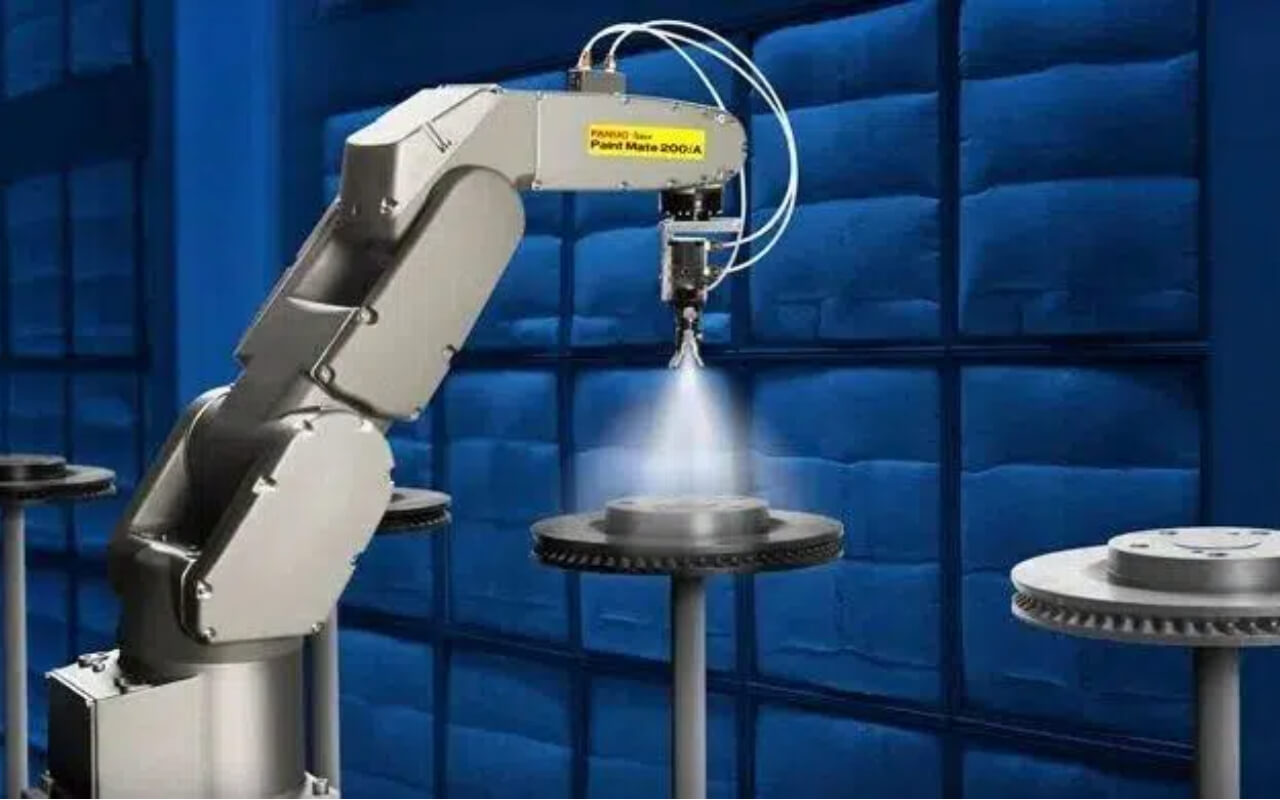
Today, many domestic suppliers focus on system integration, while independent R&D and manufacturing capabilities are still developing. Looking ahead, continuous innovation and practical application will be essential for building a stronger local ecosystem.
At ShengTai Painting Equipment, we believe intelligent, efficient, and reliable robotic spray painting solutions are the inevitable direction of the coating industry. By combining automation expertise with advanced liquid coating line design, we are committed to supporting manufacturers in achieving higher quality, efficiency, and sustainable growth.


