 English
 Español
 Português
 Русский
 عربي
عربي Türkçe
 Deutsch
 Polski
 Français
 Italiano
 Tiếng Việt
Principles of Degreasing and Rinsing in Pre-Painting Treatment
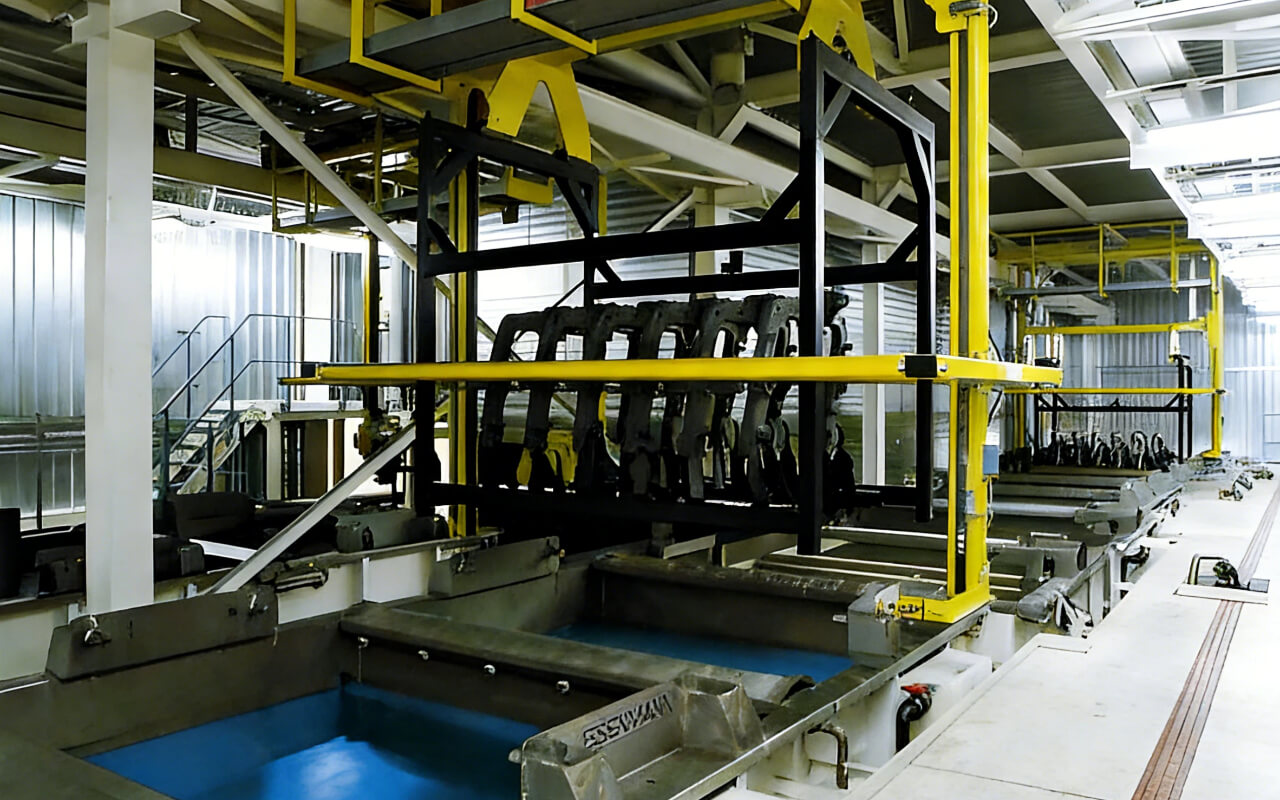
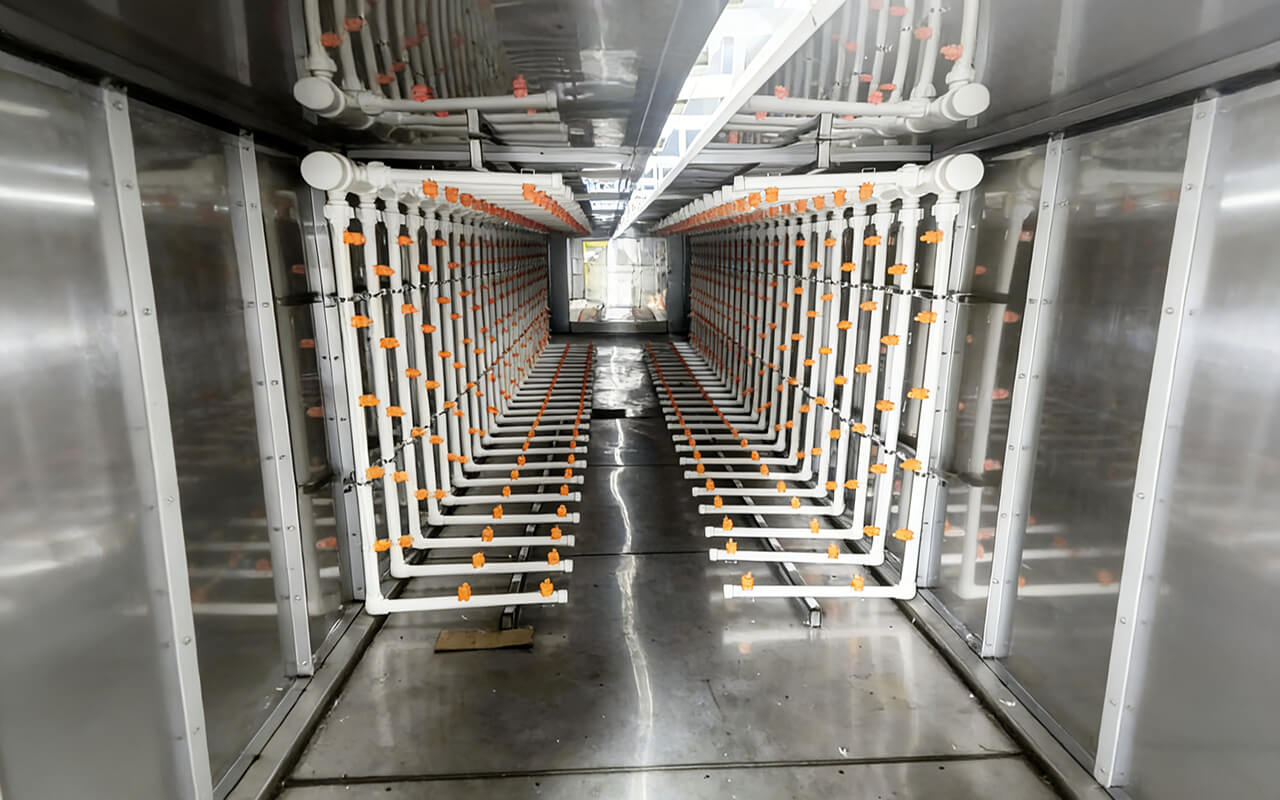
Pre-painting degreasing and rinsing primarily involve two processes: degreasing and rinsing. The principles are as follows:
Degreasing Principle
Degreasing is a critical step in pre-painting treatment, aimed at removing contaminants such as grease and oil from the workpiece surface to provide a high-quality foundation for subsequent coating processes. Common degreasing methods include chemical degreasing, electrochemical degreasing, emulsion degreasing, and ultrasonic degreasing. Their principles are detailed below:
Chemical Degreasing
Alkaline degreasing agents, containing sodium hydroxide, sodium carbonate, sodium phosphate, and other alkaline substances, undergo a saponification reaction with grease. This converts the grease into water-soluble soap and glycerol, effectively removing it.
Taking glyceryl tristearate as an example, the saponification reaction equation is:
(C17H35COO)3C3H5+3NaOH⟶3C17H35COONa+C3H5(OH)3
Additionally, emulsifiers and dispersants in the alkaline degreaser reduce the interfacial tension between the oil and the workpiece surface, making it easier for the grease to detach and disperse into the degreasing solution.Electrochemical Degreasing
The workpiece is used as an electrode and immersed in an alkaline degreasing solution. Gases (hydrogen and oxygen) generated via electrolysis intensely impact and agitate the oil on the workpiece surface, accelerating its removal.
When the workpiece serves as the cathode, a reduction reaction produces hydrogen:
2H2O+2e−⟶H2↑+2OH−
When the workpiece serves as the anode, an oxidation reaction produces oxygen:
4OH−−4e−⟶O2↑+2H2O
These gases form tiny bubbles on the workpiece surface. As the bubbles grow and rise, they mechanically strip away the adhered oil.Emulsion Degreasing
Organic solvents (e.g., kerosene, gasoline) in emulsion degreasers dissolve grease, while emulsifiers enable the oil to form a stable emulsion in water. This combination effectively removes oil from the workpiece surface. The organic solvents quickly dissolve the grease, forming an oil-solvent mixture, while the emulsifiers adsorb onto the oil droplet surfaces, ensuring uniform dispersion in water and preventing re-aggregation or reattachment to the workpiece.Ultrasonic Degreasing
High-frequency vibrations generated by an ultrasonic transmitter are transmitted into the degreasing solution. Under ultrasonic action, countless microscopic cavitation bubbles form in the solution. During their formation, growth, and sudden collapse, these bubbles generate powerful shockwaves and microjets, intensely impacting and cleaning the oil on the workpiece surface. This allows the grease to rapidly detach and disperse into the degreasing solution.
Rinsing Principle
Rinsing removes residual degreasing agents, decomposed oil products, and other contaminants remaining on the workpiece surface after degreasing. The main principles include:
Dissolution and Dilution
During rinsing, the workpiece is immersed in water or flushed with running water. Residual degreasers and decomposed oil products gradually dissolve into the water. As the water is continuously replaced or flows, the concentration of these impurities decreases, achieving effective removal.Mechanical Flushing
The impact force of water flow provides a mechanical flushing action on the workpiece surface, helping to remove tiny impurity particles that remain adhered. This effect is particularly pronounced with high-pressure water rinsing, where stubborn impurities are effectively stripped away.