 English
 Español
 Português
 Русский
 عربي
عربي Türkçe
 Deutsch
 Polski
 Français
 Italiano
 Tiếng Việt
Paint vs. Powder Coating

I. What exactly are they?
Industrial Anti-Corrosion Paint: The Liquid Protection System
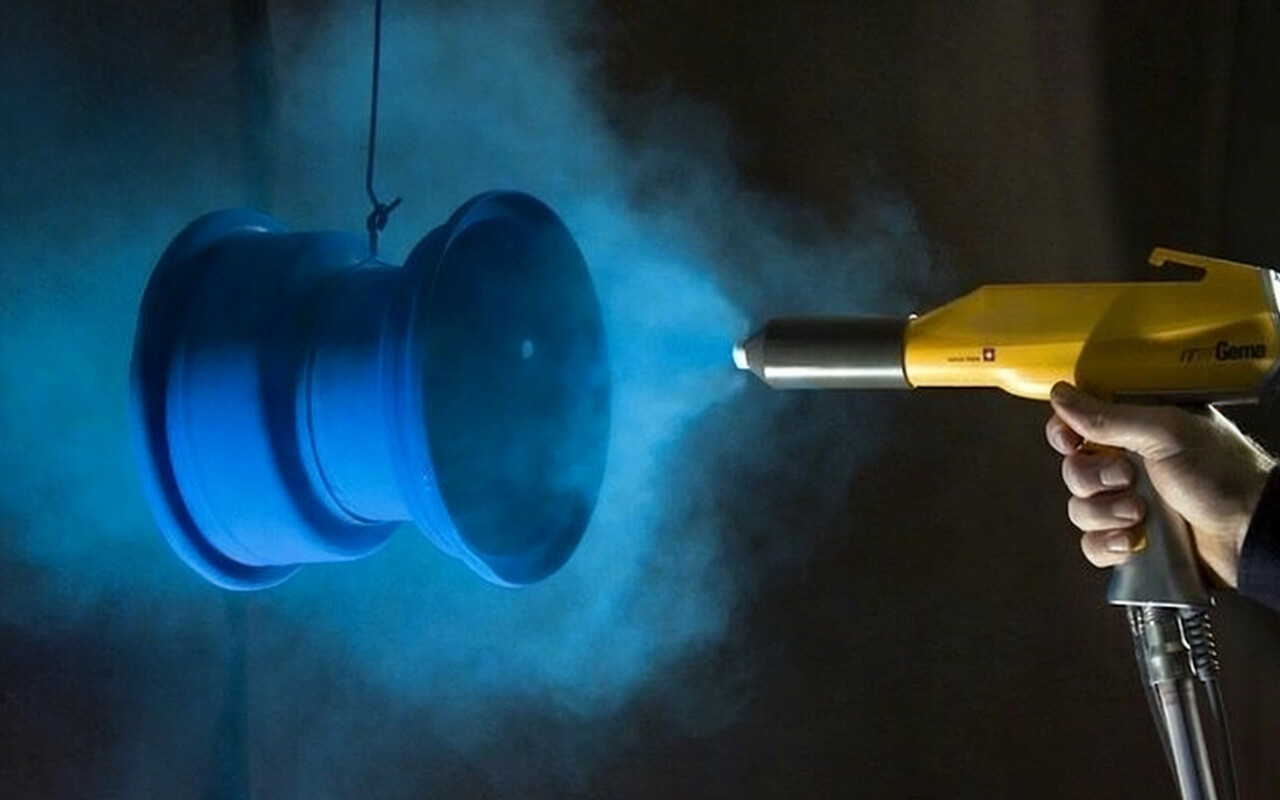
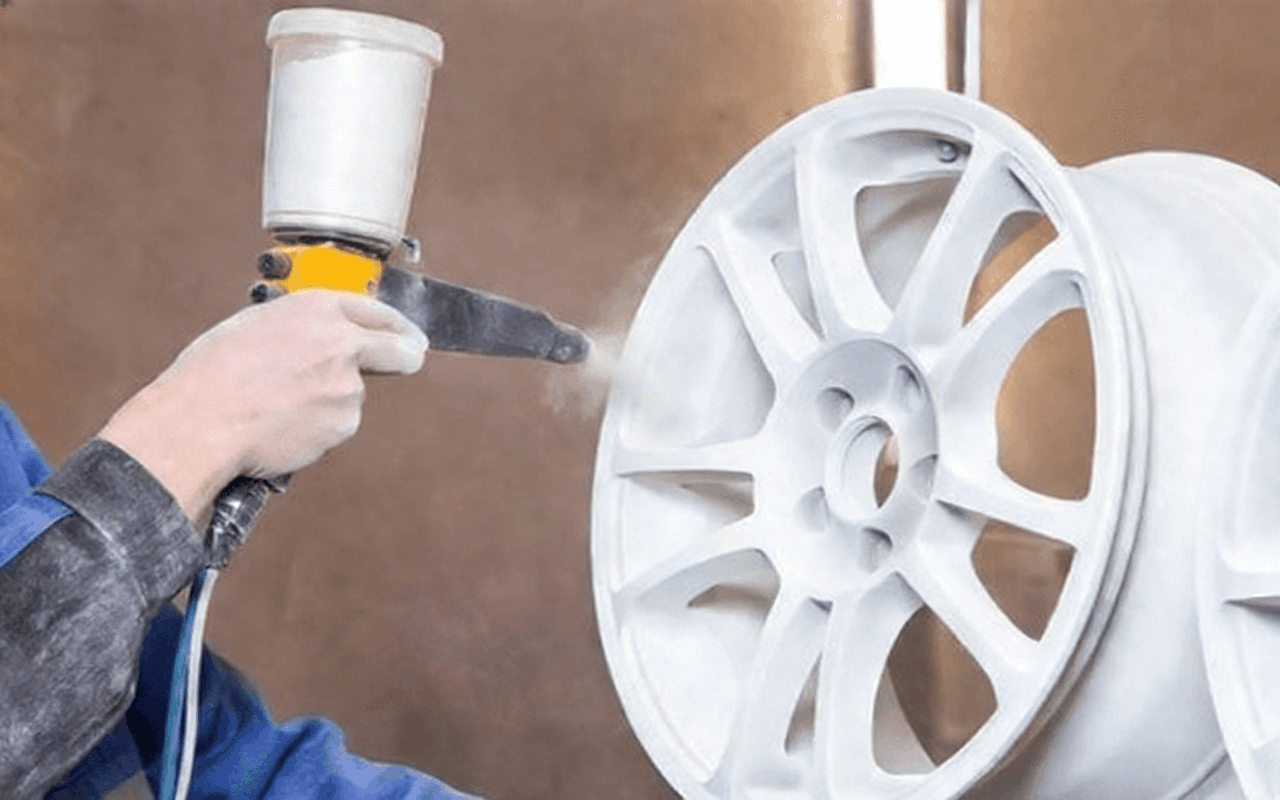
In short: A liquid coating that forms a film through evaporation or chemical reaction. It is a mixture of resins (the film-forming body), anti-corrosive pigments/fillers (the core protection), solvents (or water), and various additives.
Application: Applied via brush, roller, or spray. As solvents or water evaporate—or a chemical reaction occurs—a tough film is formed.
Core Advantage: High fluidity and excellent adaptability. Whether it is a bridge, pipeline, tower, or rusted old equipment, paint "sticks and fits" as long as the surface is prepared.
2. Industrial Anti-Corrosion Powder Coating: The Solid Plastic Powder
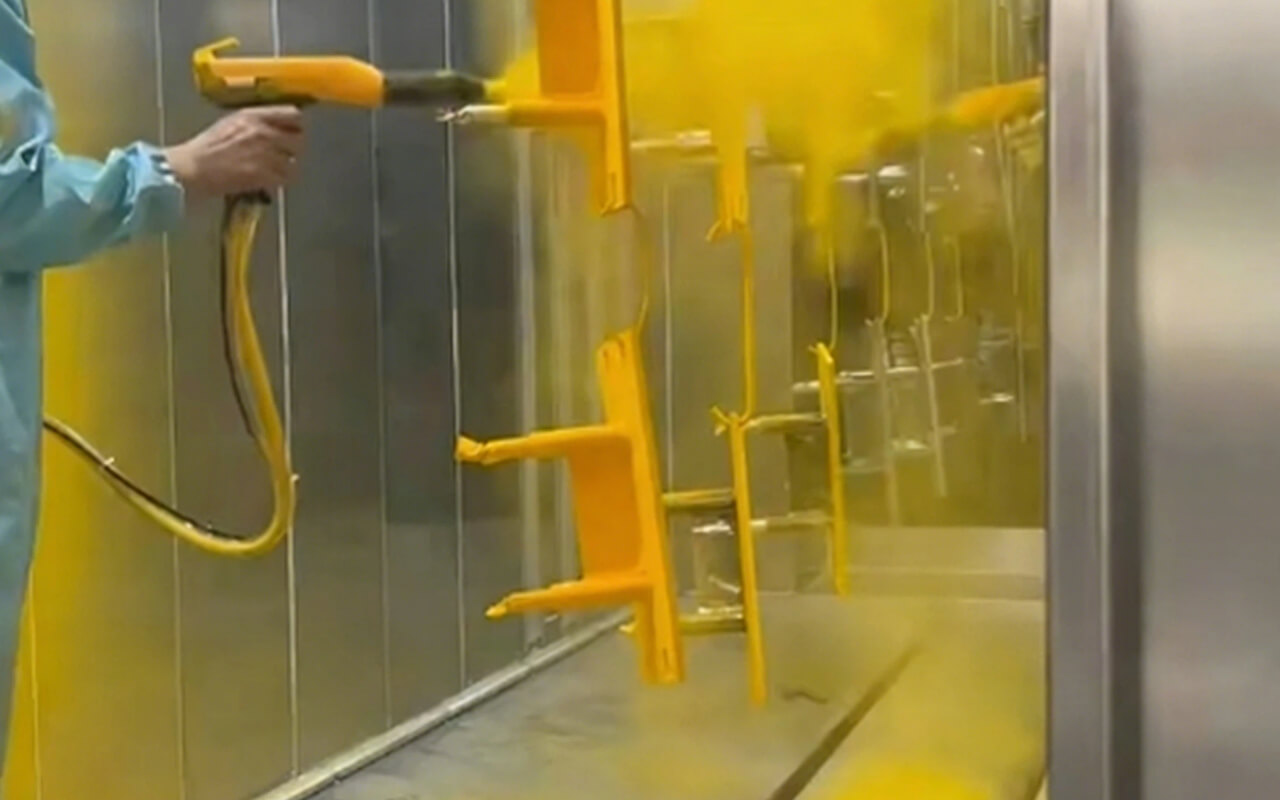
In short: A dry powder that forms a film through electrostatic adsorption and high-temperature melting. It contains zero solvents or water; it is pure solid resin powder.
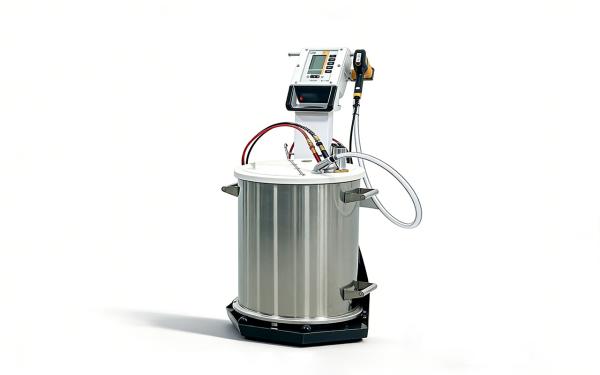
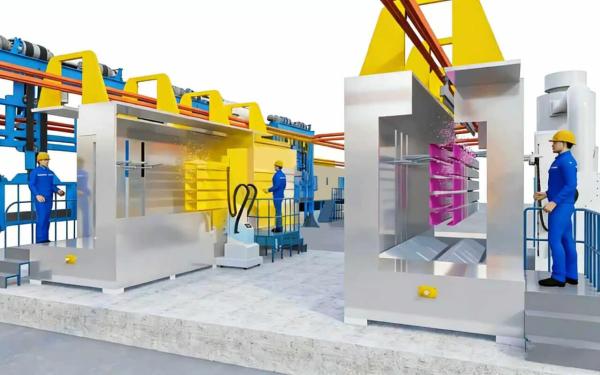
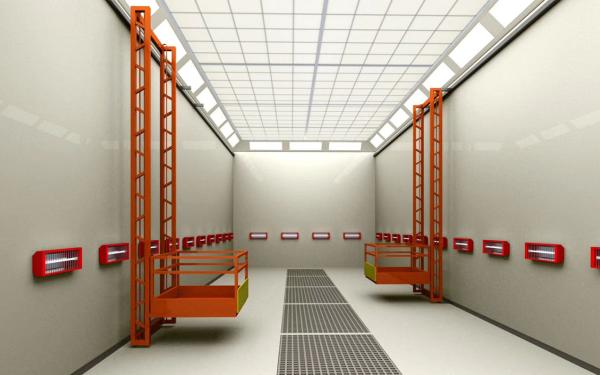
Application: An electrostatic spray gun charges the powder so it sticks to the workpiece. It then enters a high-temperature oven (160-220℃) where the powder melts, levels, and cures into a dense, plastic-like coating.
Core Advantage: Thick, uniform single-layer film with an excellent finish. It feels like a high-end factory product—thick, smooth, and premium.
II. History: Why didn't they become popular at the same time?
Industrial Paint: The Veteran

Used on steel structures since the late 19th century.
Widely used on ships, bridges, and military equipment during WWII.
Why? Early industry needed a "use-anywhere" material. Paint doesn't care about the site or shape; you can start work with just a brush and a spray gun.
Industrial Powder Coating: The Rising Star
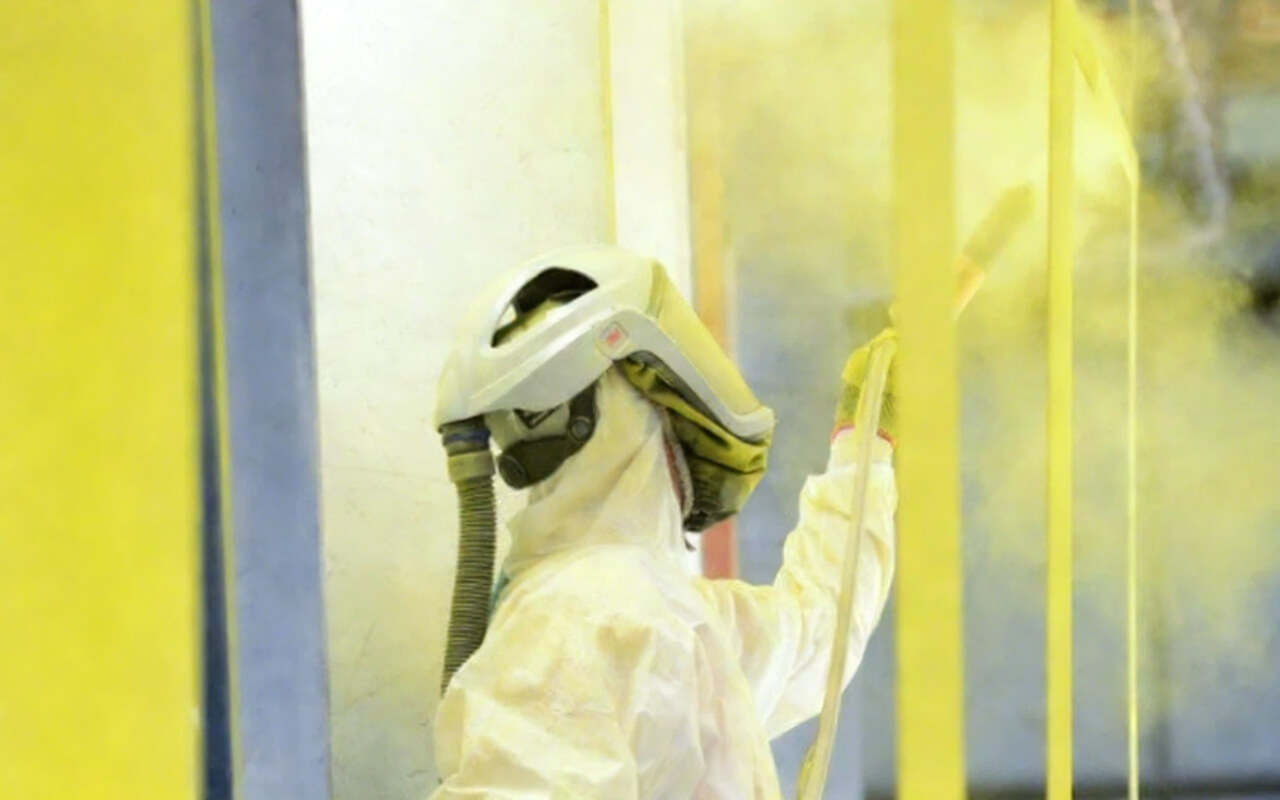
Experimental use in the 1950s.
Exploded in the 70s and 80s as electricity, industrial ovens, and automation matured.
Why? It didn't appear late because of "bad tech," but because the conditions weren't ready. It requires stable power, massive ovens, and is best suited for standardized assembly lines.
Key Point: Powder wasn't born to "replace" paint; it was born for specific industrial scenarios.
III. Which offers stronger anti-corrosion?
The truth: Performance depends on "System Design," not the name.
Paint's Logic (Multi-layer Synergy): Heavy-duty systems use multiple layers: a Zinc-rich Primer (sacrificial protection), an Intermediate Coat (barrier), and a Topcoat (weather/UV resistance). In harsh marine or chemical environments, these systems easily last 20–30 years.
Powder's Logic (One-piece Plastic Seal): It creates a dense, low-porosity coating (usually 80-150μm thick). In mild to moderate environments, it outperforms basic paint. Its weakness? If damaged, corrosion can easily spread under the film (the "creeping" phenomenon).
IV. 4 Factors that Decide "The Choice"
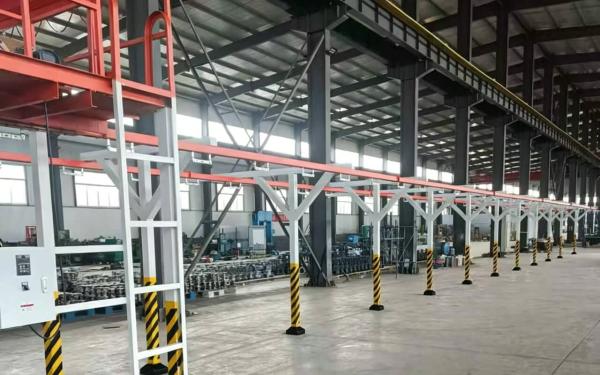
Construction Conditions: Paint works for on-site construction and large structures. Powder requires an oven, making it impossible for installed bridges or oversized components.
Coating Structure: Paint is flexible and multi-layered. Powder is usually a single (or double) thick, uniform layer.
Total Cost: Paint has low equipment costs but high labor/time costs. Powder has high initial equipment investment but low per-piece cost for mass production (with a 99% powder recovery rate).
Maintenance: Paint is easy to touch up locally. Powder is difficult to repair and often requires a total redo or specialized touch-up paint.
Conclusion
If you remember one thing: Industrial paint solves the problem of "adaptability in a complex world," while powder coating solves the problem of "efficiency and environment in standardized mass production."Experts don't ask which is "superior"; they ask which one fits the workpiece, the environment, and the production method.
Key Words
High-temperature Curing, Zinc-rich Primer, Sacrificial Protection, Solvent-based vs. Powder-based, Mass Production
Hashtags
#AntiCorrosion #PowderCoating #IndustrialPainting #SteelProtection #EngineeringDesign #SurfaceFinishing #Manufacturing #CoatingIndustry