 English
 Español
 Português
 Русский
 عربي
عربي Türkçe
 Deutsch
 Polski
 Français
 Italiano
 Tiếng Việt
Is Spray Painting a Money Burner?
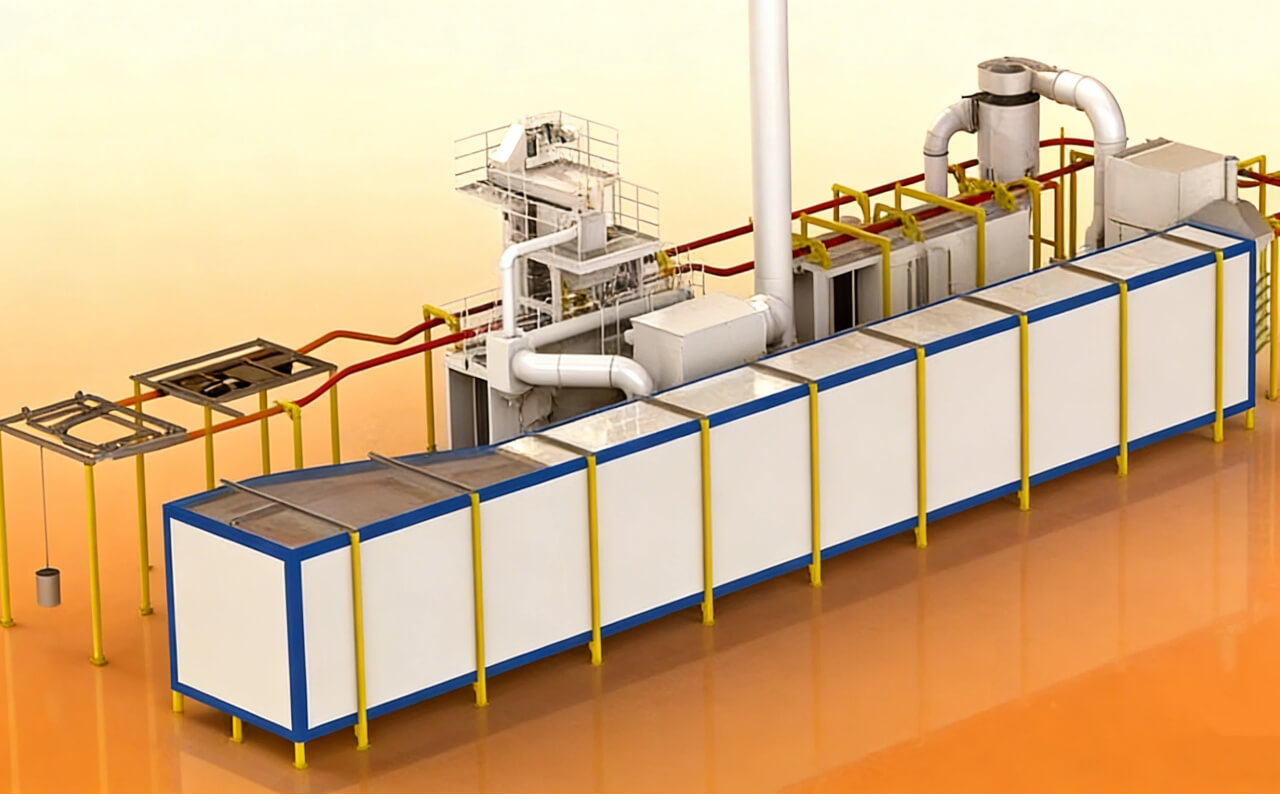
Below are 4 proven processes that help reduce cost without sacrificing quality.
1) Powder Coating: Tough, Efficient & Cost-Friendly
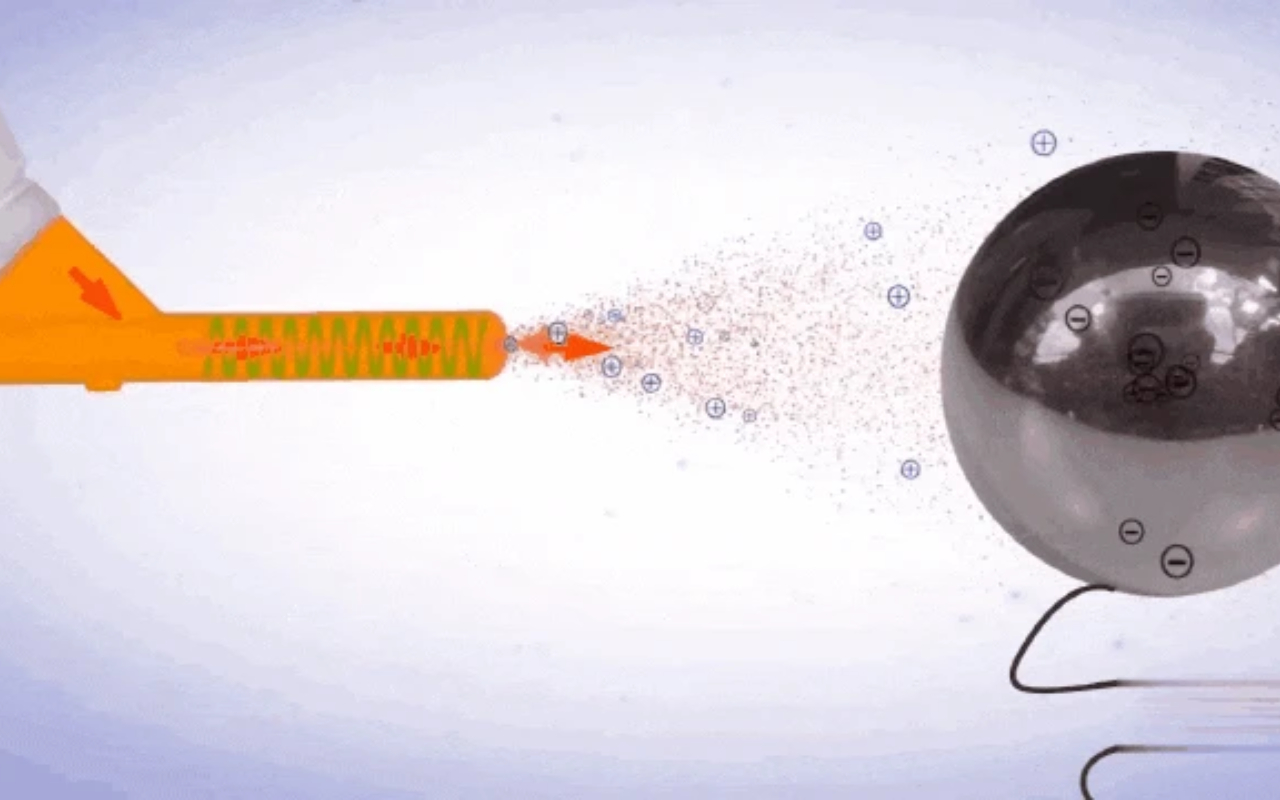
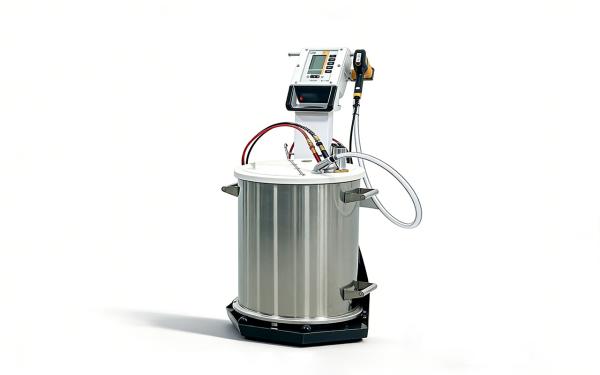
Powder coating is the best “all-around” surface finishing choice for energy storage products.
✅ High durability (wear / corrosion resistance)
✅ High material utilization (often >95%)
✅ Lower operating cost (spray paint can cost 2–3× more)
✅ Eco-friendly (near-zero VOC)
❣️Perfect for: cabinets, enclosures, metal parts, frames
❣️Ideal for: mass production with stable color requirements
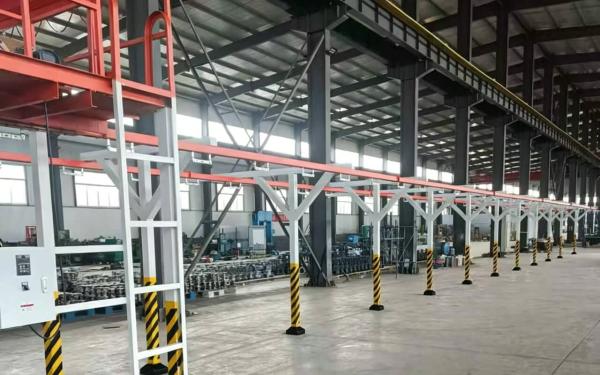
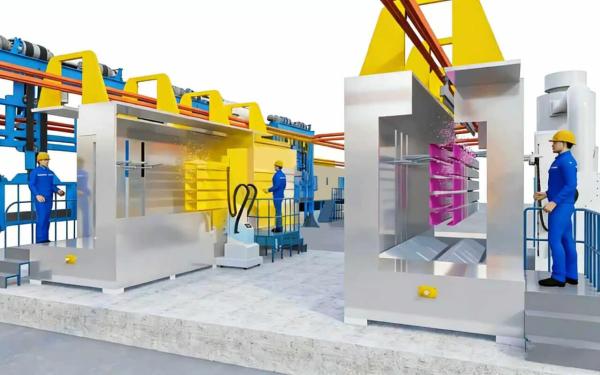
If your production line is already built around metal structures, a complete powder coating line can deliver stable quality + scalable output at a much better cost-performance ratio.
Spray Painting vs. Powder Coating Comparison Table
Item | Spray Painting | Powder Coating |
Principle | It works like spraying water with a spray bottle: liquid coating (commonly called paint) is atomized into fine droplets by compressed air, which then adhere to the workpiece surface. Solvents are indispensable in this process. | It is similar to "sprinkling flour": the powder adheres to the metal surface through electrostatic attraction, just like a magnet attracting iron filings. No solvents are used throughout the process, and curing is solely achieved by high-temperature baking. |
Steps | Involves more procedural steps, leading to a lengthier operation process. | Has fewer procedural steps, enabling a more streamlined operation process. |
Application Objects | Boasts wide material applicability, suitable for metals, plastics, wood, and other substrates. | Is mainly applicable to metals, which must be conductive to ensure effective coating. |
Baking Temperature | Adopts variable temperatures: 60-80℃ for low-temperature baking and 120-150℃ for high-temperature baking. | Requires a relatively high baking temperature, generally ranging from 160℃ to 200℃. |
Utilization Rate | The utilization rate of coating materials is relatively low, only 60% to 70%. | Features an excellent material utilization rate, exceeding 95% due to recyclable excess powder. |
Cost | Overall cost is high, approximately 2 to 3 times that of powder coating, mainly due to solvent consumption and low material utilization. | Has a low overall cost, only 1/2 to 1/3 of spray painting, benefiting from high material utilization and no solvent costs. |
Environmental Friendliness | Contains volatile organic compounds (VOCs) such as formaldehyde and toluene, causing significant pollution. It also requires professional treatment of paint mist to meet environmental standards. | Is environmentally friendly as it uses no solvents, achieves zero VOC emissions, and the excess powder can be recycled, minimizing environmental impact. |
Coating Performance | Produces a thin film (15-25μm), which requires multiple sprays to reach the desired thickness. The coating has low adhesion, making it prone to peeling, but offers a smooth and delicate surface finish. | Forms a thick film (50-300μm) in one spray. It has strong adhesion, excellent wear and corrosion resistance, though the surface appearance is slightly rough compared to spray painting. |
Operation Difficulty | Has high technical requirements for operators, who need proficiency in color matching, spray control, and multi-process coordination to ensure coating quality. | Features a simplified process with high automation, reducing operational difficulty. However, color change is cumbersome as it requires thorough equipment cleaning. |
Applicability | Is ideal for small-batch production due to its broad material compatibility and ability to perform on-site color matching according to needs. | Is more suitable for large-batch production, as it only applies to metals or conductive materials and offers fixed color options that are not easy to adjust temporarily. |
Safety | Carries a high fire risk because the solvents contained in the coating are flammable, requiring strict fire prevention measures during operation. | The powder may pose an explosion risk in confined spaces with high concentrations, but overall safety is higher than spray painting due to the absence of flammable solvents. |
2) Glass Coating: Premium Aesthetics That Last 10+ Years
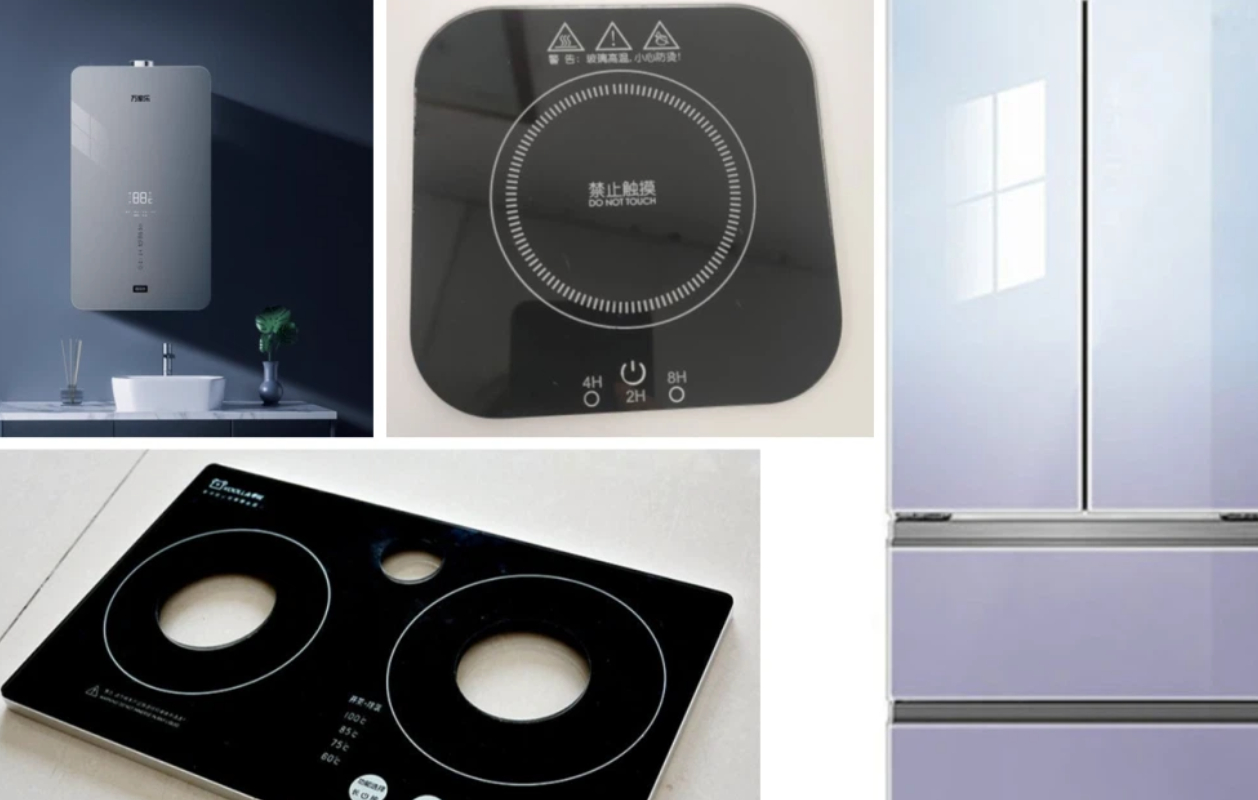
Want a more “high-end appliance look” for residential energy storage?
✅ Tempered glass = premium visual upgrade
✅ Back-side printing protects patterns from abrasion
✅ Easy cleaning / stain resistant
✅ No deformation, no fading, long service life
✅ Metal texture / gradient color effects are achievable
❣️Perfect for: residential ESS, premium home panels
❣️Bonus: longer lifespan & lower maintenance cost
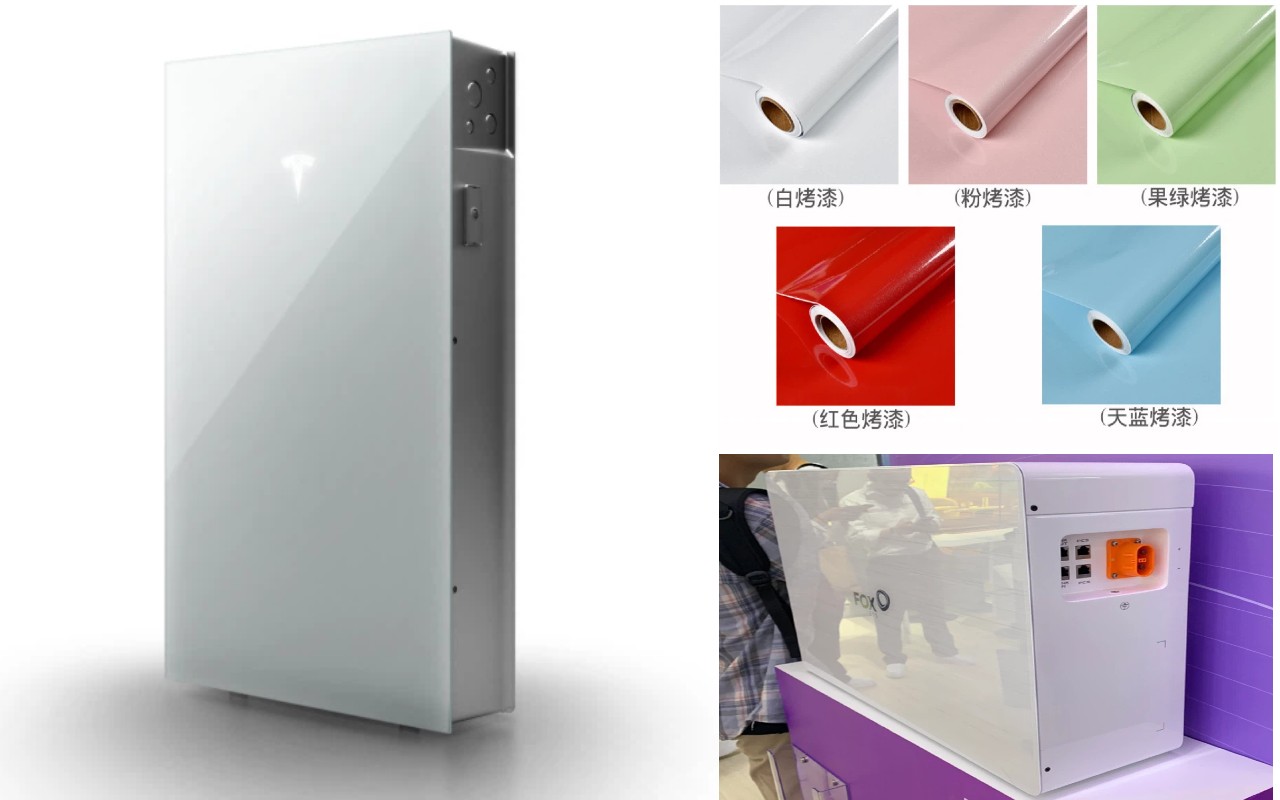
Some market-leading products (like Tesla Powerwall designs) prove that glass solutions can create a premium appearance while still being highly durable over time.
| Cost Comparison of Tempered Glass Coating and Sheet Metal Powder Coating | |||
Tempered Glass Lamination Solution | Cost (¥) | Sheet Metal + Powder Coating Solution | Cost (¥) |
Material Cost (Tempered Glass) | 24 | Material Cost (Sheet Metal) | 39 |
Lamination | 15 | Welding | 10 |
- | - | Grinding | 2 |
- | - | Powder Coating | 53 |
Sheet Metal Parts | 30 | Sheet Metal Parts | 30 |
Gluing | 14 | Gluing | 14 |
Total | 83 | Total | 148 |
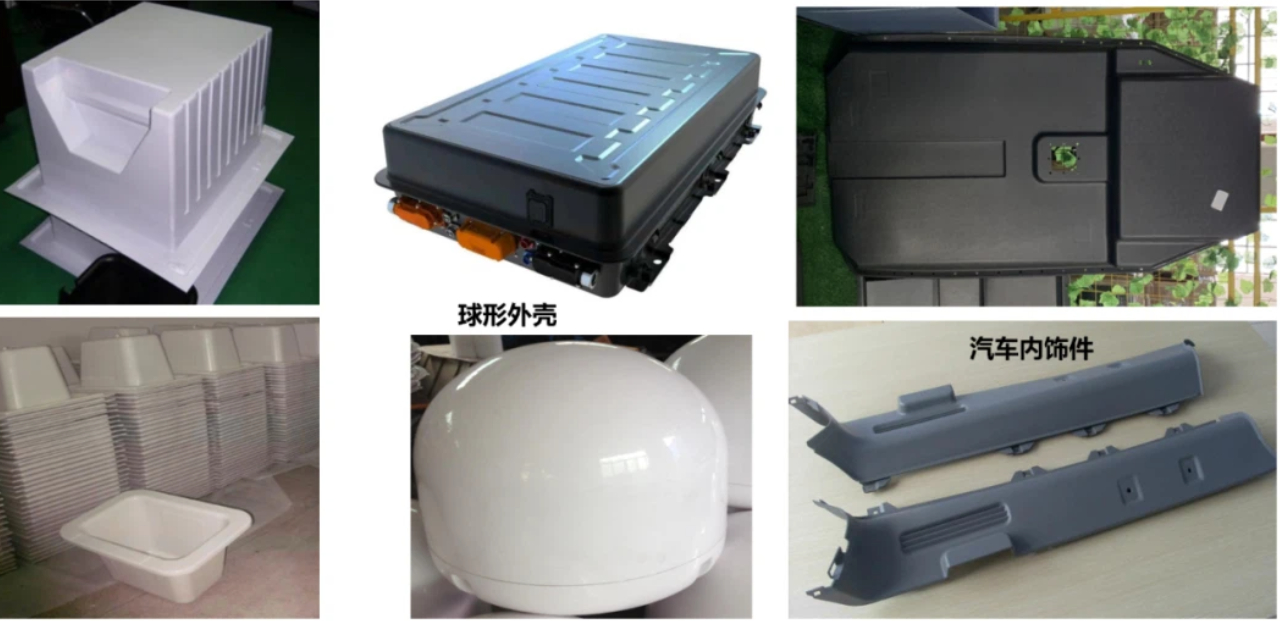
3) Thermoforming (Vacuum Forming): The Sheet-Metal Alternative
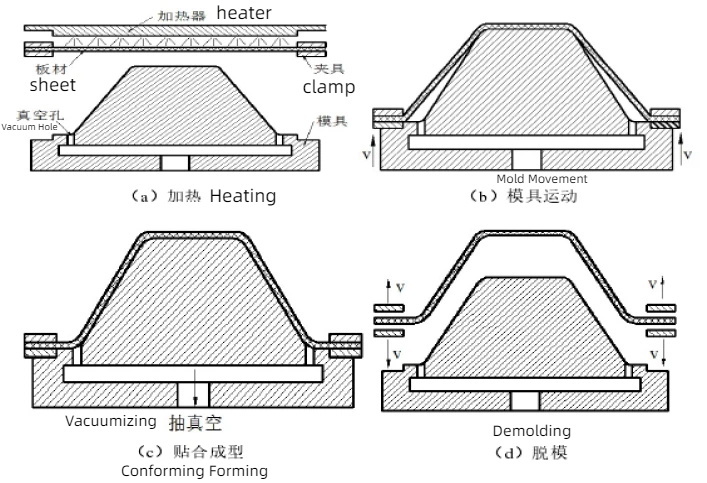
Plastic replacing metal is a major trend — but traditional injection molding often requires huge mold investment.
Thermoforming provides a faster, lower-cost option:
✅ Mold cost can be 10% of injection molding
✅ Prototype molds can be done quickly
✅ Lightweight + flexible design
✅ Suitable for small-batch trial production
✅ Often avoids painting completely
❣️Perfect for: ESS housings, internal support parts, brackets
❣️Cost impact: can reduce total cost by 20%+, weight reduced by up to 2/3
4) IMD: “Built-In Beauty Filter” for Plastics
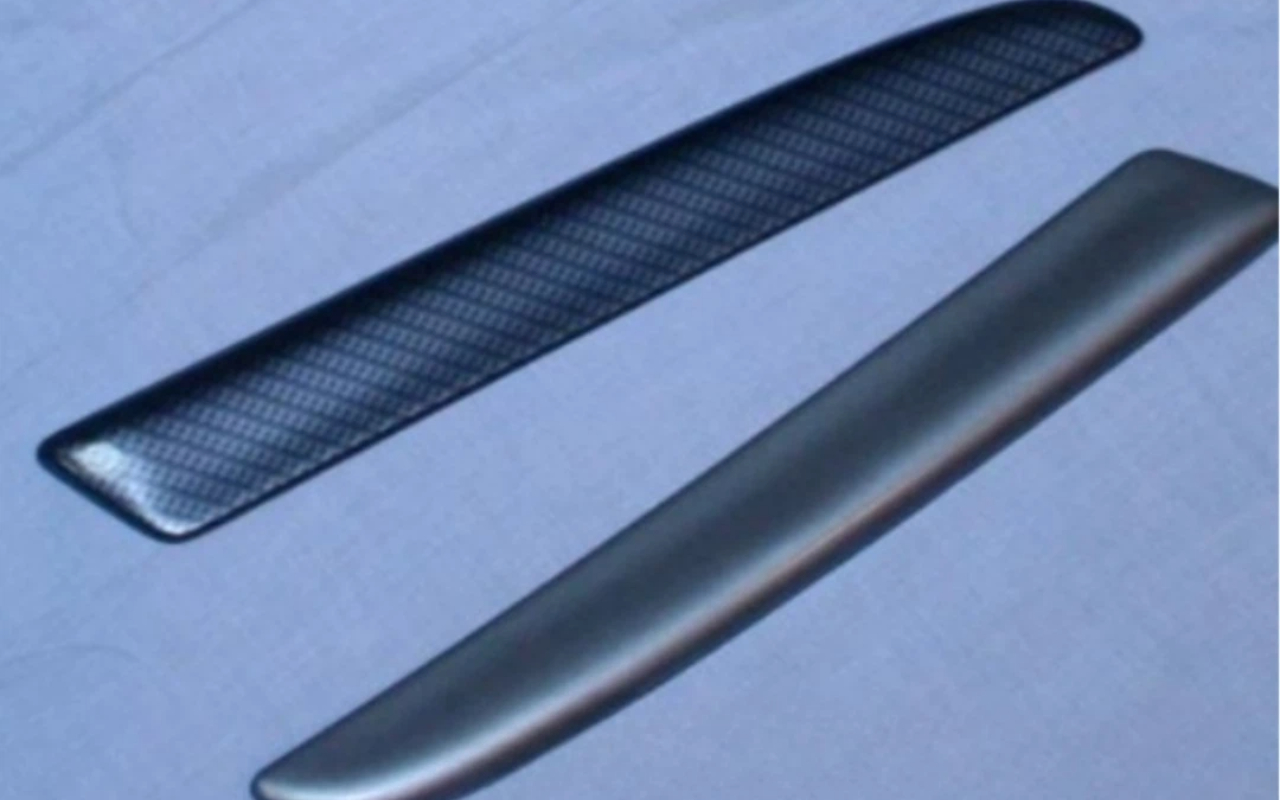
If you want plastics with premium surface texture and long-lasting patterns — IMD is the upgrade.
IMD (In-Mold Decoration) integrates the film + pattern directly into the mold structure:
✅ High-definition patterns
✅ Scratch resistance (like smartphone screens)
✅ Better yield rate & fewer finishing steps
✅ Great for complex visuals and branding effects
❣️Perfect for: large-volume parts and mature designs
❣️Best for: premium design + stable mass production
✅ Final Takeaway: Choose Based on Your Product Positioning
In energy storage, there is no "one perfect process" — only the best match.
If your goal is cost control + durability + scalable production:
➡️ powder coating is usually the safest and most efficient choice.
If you want premium appearance for residential markets:
➡️ glass coating is a strong differentiator.
If you need lightweight, flexible design with low tooling cost:
➡️ thermoforming is the shortcut to faster production.
If you require complex patterns and premium plastic aesthetics at scale:
➡️ IMD is your "high-tech" solution.
Want to Optimize Your Production Line Cost?
We support manufacturers with complete surface finishing solutions including:
✅ pretreatment systems
✅ powder coating line design
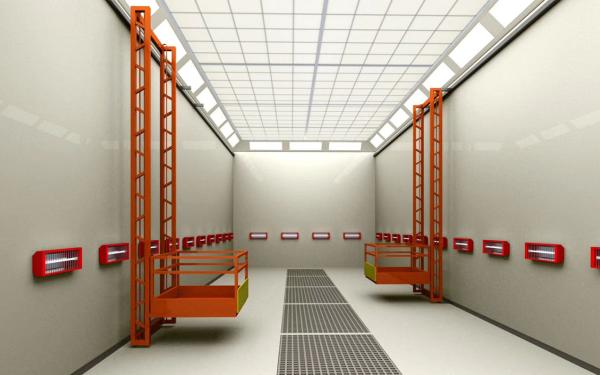
✅ spray booth + curing oven + conveyor integration
✅ process consulting for cost reduction & production efficiency
If you're developing or upgrading an energy storage product line, feel free to connect — happy to share practical suggestions based on your product structure and factory conditions.