

 English
 Español
 Português
 Русский
 عربي
عربي Türkçe
 Deutsch
 Polski
 Français
 Italiano
 Tiếng Việt
Автоматизированная линия порошковой окраски, комплексные системы порошковой окраски.
Линия порошковой окраски использует оборудование для порошковой окраски, обеспечивающее высококачественное покрытие для широкого спектра материалов. Ключевыми факторами, определяющими эффективность линии порошковой окраски, являются превосходный внешний вид и текстура покрытия, длительный срок службы, исключительная экономичность производства и экологически ответственное использование материалов. Современное оборудование для порошковой окраски обеспечивает широкий спектр оттенков и текстурных результатов. Компания ShengTai предлагает высокопроизводительное традиционное оборудование для порошковой окраски, а также индивидуальные решения для линий порошковой окраски. От решений для ручной окраски до сложных, полностью автоматизированных линий порошковой окраски. Наше оборудование для порошковой окраски может быть предварительно сконфигурировано или адаптировано под ваши конкретные потребности, обеспечивая гибкие варианты внедрения, быструю модификацию оттенка при необходимости и эффективные методы работы с поставками, внедрением и регенерацией материалов.
Автоматизированная линия порошковой окраски Ручная линия порошковой окраски, полуавтоматическая линия порошковой окраски
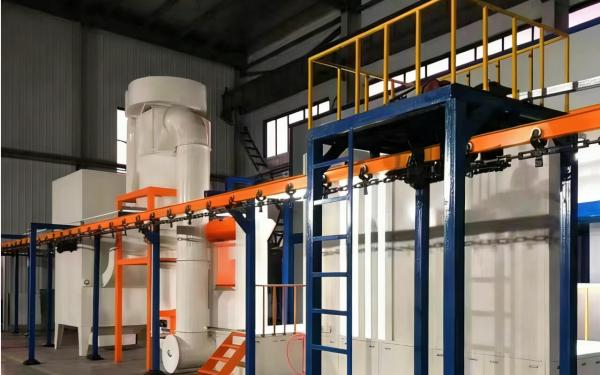

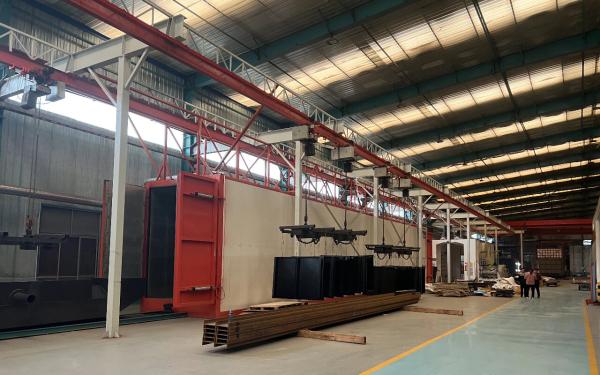

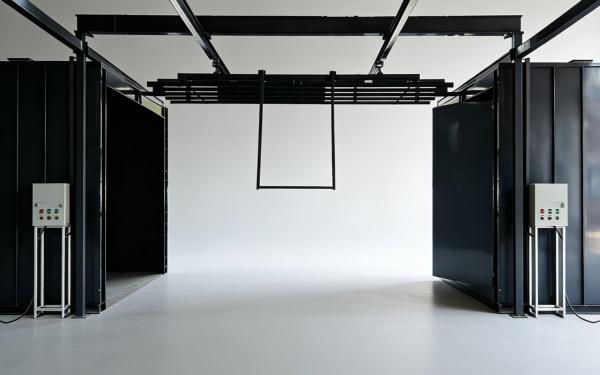

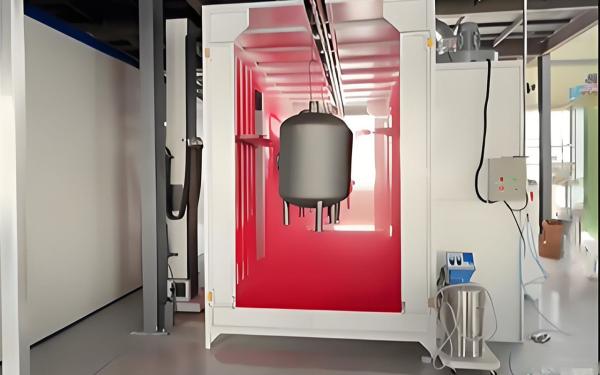
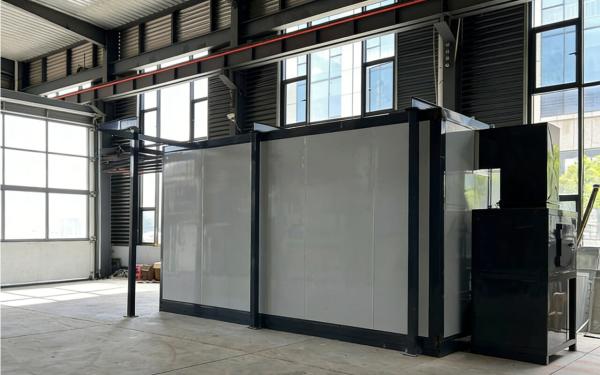
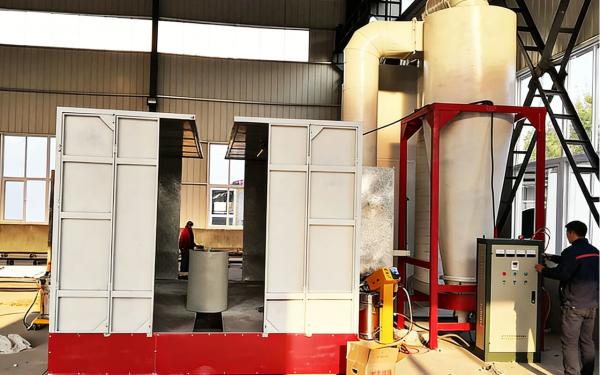
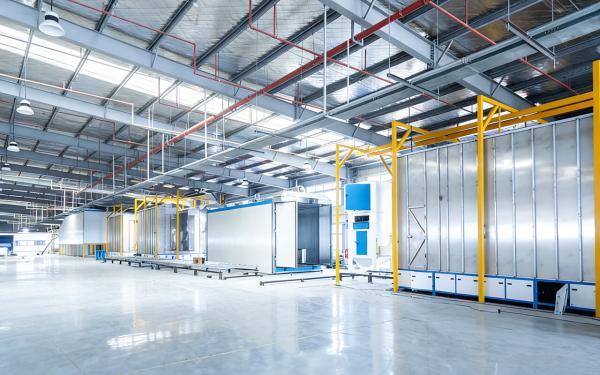

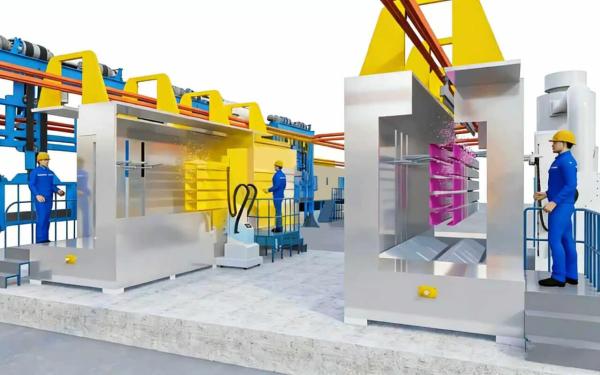


ST-APCL-02L-with Pretreatment
Автоматизированный промышленный комплект для порошковой окраски

Виды порошковых покрытий
Процесс производства на промышленной линии порошковой окраски включает три основных этапа: подготовка подложки, нанесение порошка и термическая обработка. Для крупносерийного производства рекомендуется использовать автоматизированное оборудование для порошковой окраски, уровень автоматизации которого настраивается под конкретные потребности. Для ограниченных производственных циклов подходят ручные методы нанесения, такие как использование ручного электростатического распылителя. В автоматизированных конфигурациях каждый компонент линии порошковой окраски должен быть точно синхронизирован для достижения целевой производительности, которая часто выражается в площади, покрытой за час, или количестве обработанных стеллажей в час. Наши эксперты из ShengTai предоставляют экономически выгодные рекомендации, используя свои специализированные знания, полученные на начальных консультациях по планированию.
Процедура финишной обработки поверхности: пошаговая инструкция
1. Подготовка субстрата: Качество окончательной отделки во многом зависит от исходного состояния поверхности. Цель этого этапа — добиться чистоты и обезжиренности детали, что обеспечит оптимальную адгезию покрытия. В зависимости от изделия могут потребоваться такие процедуры, как абразивная обработка или химическая очистка. Эти процессы включают в себя пескоструйную обработку и промывку растворами, удаляющими масла. Если требуется усиленная защита от коррозии, перед нанесением порошкового покрытия наносится базовое жидкостно-химическое конверсионное покрытие.
2. Применение порошка: Фундаментальным требованием для процесса порошковой окраски является электрически заземленный базовый материал. Следовательно, металлы идеально подходят. Такие материалы, как древесина, также могут быть обработаны, поскольку их присущая влажность обеспечивает достаточную электропроводность. Для покрытия синтетических полимеров необходимо предварительно нанести на поверхность токопроводящую грунтовку. Этот дополнительный шаг часто делает порошковую окраску пластмасс менее экономически выгодной по сравнению с традиционной покраской влажным способом. Во время нанесения компонента происходит электрическое заземление, а частицы порошка электростатически заряжаются. Существует два основных метода этой зарядки:
* Коронная зарядка: Порошок активно заряжается высоковольтным генератором, встроенным в инструмент для нанесения покрытия.
* Трибостатическая зарядка: Этот метод основан на электризации за счет трения, возникающей при прохождении порошка через специально разработанный участок распылителя.
В настоящее время метод коронного разряда более распространен. Он обеспечивает широкие возможности адаптации, позволяя операторам точно настраивать заряд для различных толщин покрытия, температуры и влажности окружающей среды, а также для достижения определенных текстурных, глянцевых, защитных или герметизирующих свойств в конечном слое. Трибостатический метод предпочтителен для применений, требующих исключительно однородных поверхностей, или для компонентов со значительной глубиной и узкими полостями. Оба метода используются как в ручном режиме, так и в автоматизированном оборудовании для порошковой окраски.
3. Отверждение (сшивание): После нанесения порошка покрытие остается в рыхлом порошкообразном состоянии. Поскольку порошок представляет собой, по сути, смесь полимерных смол и красителей, он плавится и растекается при воздействии температур от 160°C до 200°C. Последующее затвердевание, называемое отверждением, происходит за счет химической сшивки, инициированной агентами в составе порошка. Также доступны альтернативные порошки, предназначенные для плавления при более низких температурах (примерно 130-140°C), известные как порошки с низким уровнем отверждения. Эти варианты очень чувствительны к повышенным температурам и требуют контролируемой, прохладной среды на протяжении всей линии порошковой окраски, включая хранение, транспортировку и обработку (например, ниже 25°C). Решение об их использовании зависит от анализа затрат и выгод, сопоставляющего экономию энергии на этапе отверждения с затратами, необходимыми для поддержания стабильной холодовой цепи.
Использование сферических элементов в промышленных линиях порошковой окраски
Ассортимент оборудования для порошковой окраски ShengTai охватывает весь технический спектр: от отдельных установок для ручного нанесения до полностью роботизированных комплексных комплексов. Электростатический метод позволяет наносить порошковое покрытие на электропроводящие материалы. К ним относятся, например, металлические материалы, такие как нержавеющая сталь и алюминий, обработанная древесина и древесноволокнистые плиты средней плотности, а также термостойкие элементы, такие как стекло и керамика. Характерные примеры применения:
• Сельскохозяйственный и строительный секторы (землеройная техника, сельскохозяйственные транспортные средства, отделка фасадов зданий и т. д.)
• Автомобильные компоненты (диски, тормозные системы, конструкции велосипедов и т. д.)
• Бытовая техника (обычно называемая крупной бытовой техникой)
• Защитные покрытия (эстакады, резервуары для хранения, солнечные электростанции и т. д.)
• Мебель из дерева
Преимущества автоматизированных линий порошковой окраски
• Исключительная прочность готового покрытия
• Широкий выбор оттенков и текстурных покрытий
• Экологичный метод, исключающий использование растворителей в процессе производства и применения.
• Практически полное использование материала покрытия с незначительными отходами
• Сокращение инвестиций в защитные меры
• Краткая продолжительность инструктажа для персонала, обслуживающего оборудование, и лиц, применяющих его.
• Простой переход между цветами с минимальными отходами материала
• От ручного нанесения до комплексного, полностью автоматизированного промышленного оборудования для порошковой окраски от ShengTai.
Оптимизируйте эффективность вашей линии порошковой окраски.
Наши инженеры разработали уникальную энергосберегающую конструкцию, позволяющую свести потребление электроэнергии в оборудовании для порошковой окраски к минимуму: в настоящее время компания ShengTai предлагает самые экономичные системы порошковой окраски из доступных на рынке.
Компания ShengTai предлагает комплектующие для промышленной линии порошковой окраски.
Типичные вопросы, касающиеся оборудования для порошковой окраски ShengTai.
Вот переписанная версия предложений с запрошенными изменениями:
Какие изделия можно обрабатывать на линии порошковой покраски?
Каков принцип работы оборудования для порошковой окраски?
Что обеспечивает более качественную отделку: порошковое или жидкое покрытие?
Как определяется технология порошковой покраски?


