 English
 Español
 Português
 Русский
 عربي
عربي Türkçe
 Deutsch
 Polski
 Français
 Italiano
 Tiếng Việt
Powder Coating vs. Liquid Painting: How to Choose the Right Coating Process?
Powder coating and liquid painting are two widely used coating processes that not only enhance product appearance but also extend service life. Despite their similar purposes, the two technologies differ significantly. So what exactly sets them apart?
I. Working Principles
Powder Coating:
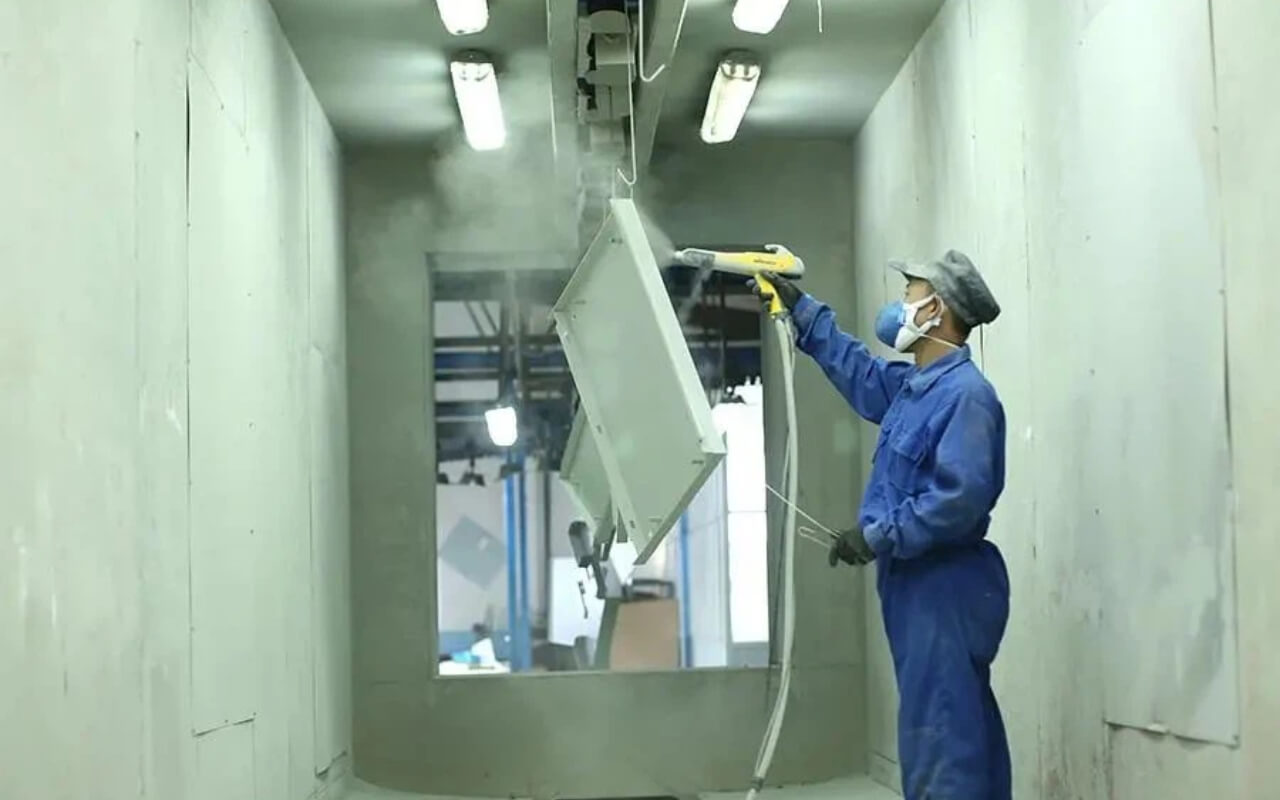
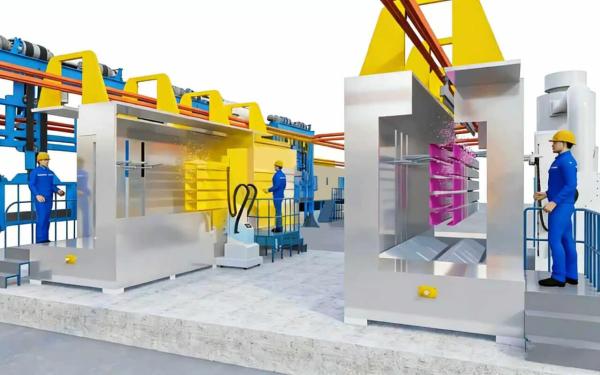
Powder coating is a relatively complex surface treatment process. Using specialized equipment, dry powder is electrostatically sprayed directly onto the product surface to provide both protection and decoration. This process is commonly referred to as electrostatic powder coating and is typically carried out on a powder coating line.
Liquid Painting:
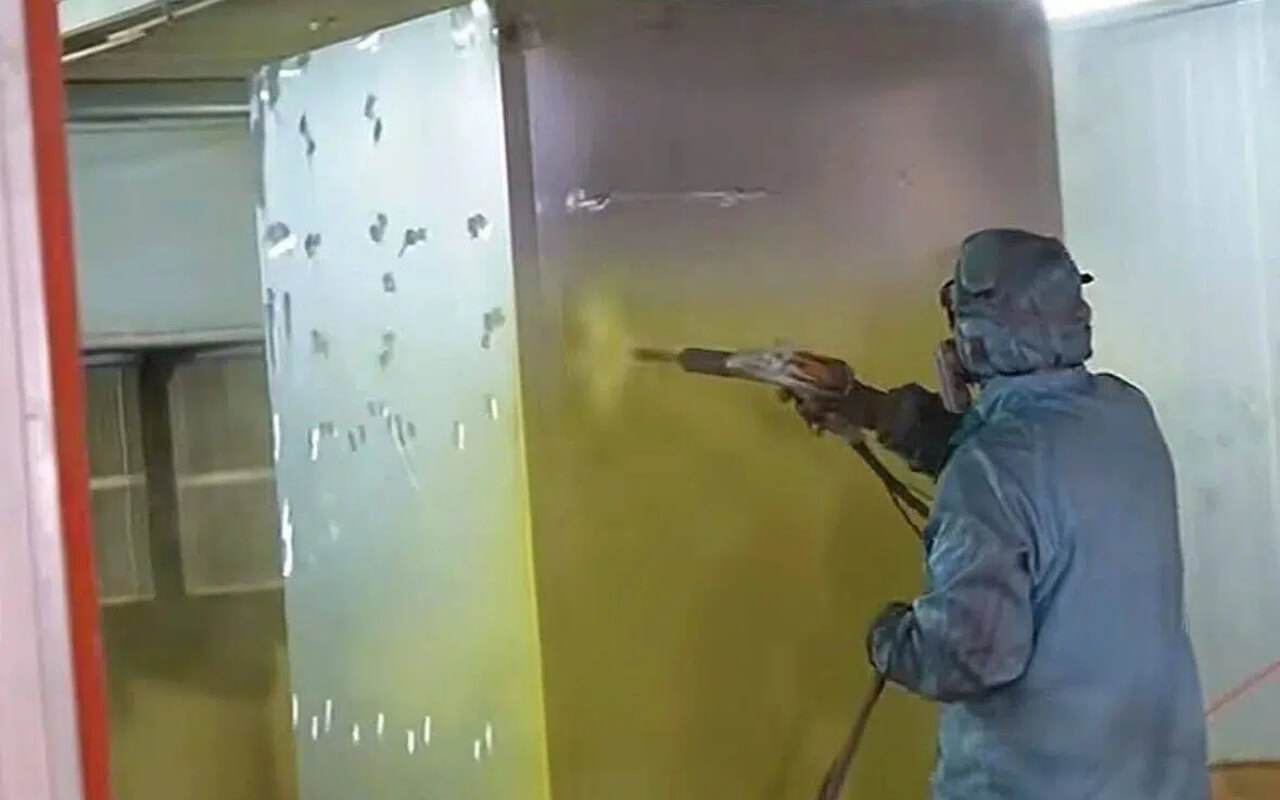
Liquid painting is a comparatively simpler surface treatment process. Paint is placed into a container and atomized by pressurized equipment, forming a fine mist that is sprayed onto the product surface to create a paint film. This process is usually implemented on a liquid coating line.
II. Application Fields
Powder Coating:
Widely used for metal surface treatment, powder coating is common in hardware products, home decoration, and building materials, especially in light industrial and household applications.
Liquid Painting:
Liquid coating is extensively applied in industries such as shipbuilding, locomotives, bridges, machinery, wood products, and leather goods.
III. Process Flow
Powder Coating:
Pre-treatment is required before coating, including rust removal and degreasing.
Since powder is sprayed directly onto the product, adhesion at this stage is relatively weak and requires high-temperature curing.
The coated product is placed in an oven at a specified temperature, where the powder melts, flows evenly, and cures to form a dense and durable coating layer.
Liquid Painting:
Pre-treatment such as rust and oil removal is also required.
After treatment, the product must be cleaned and naturally dried before painting.
Liquid painting may involve a single coat or 2–3 repeated coatings to achieve a dense and strong paint film. The first layer is often used as a primer, which must be sanded before applying subsequent coats.
IV. Process Characteristics
Powder Coating:
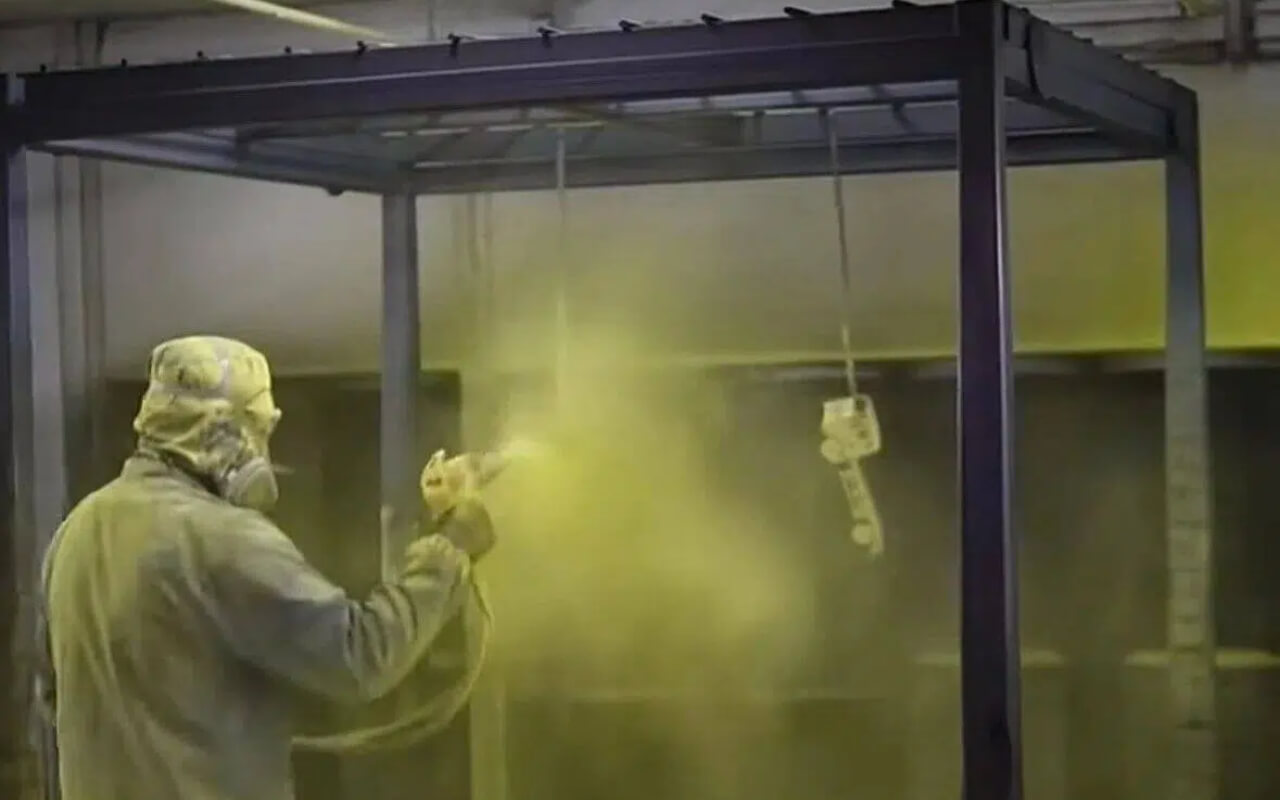
Uses dry powder directly without the need for liquid dilution.
Causes minimal harm to the environment and human health.
Electrostatic powder coating provides excellent coating quality and strong adhesion.
Lower technical skill requirements for operators.
Short curing time with no issues such as sagging or dripping.
Disadvantages include higher cost and difficulty in surface repair.
Liquid Painting:
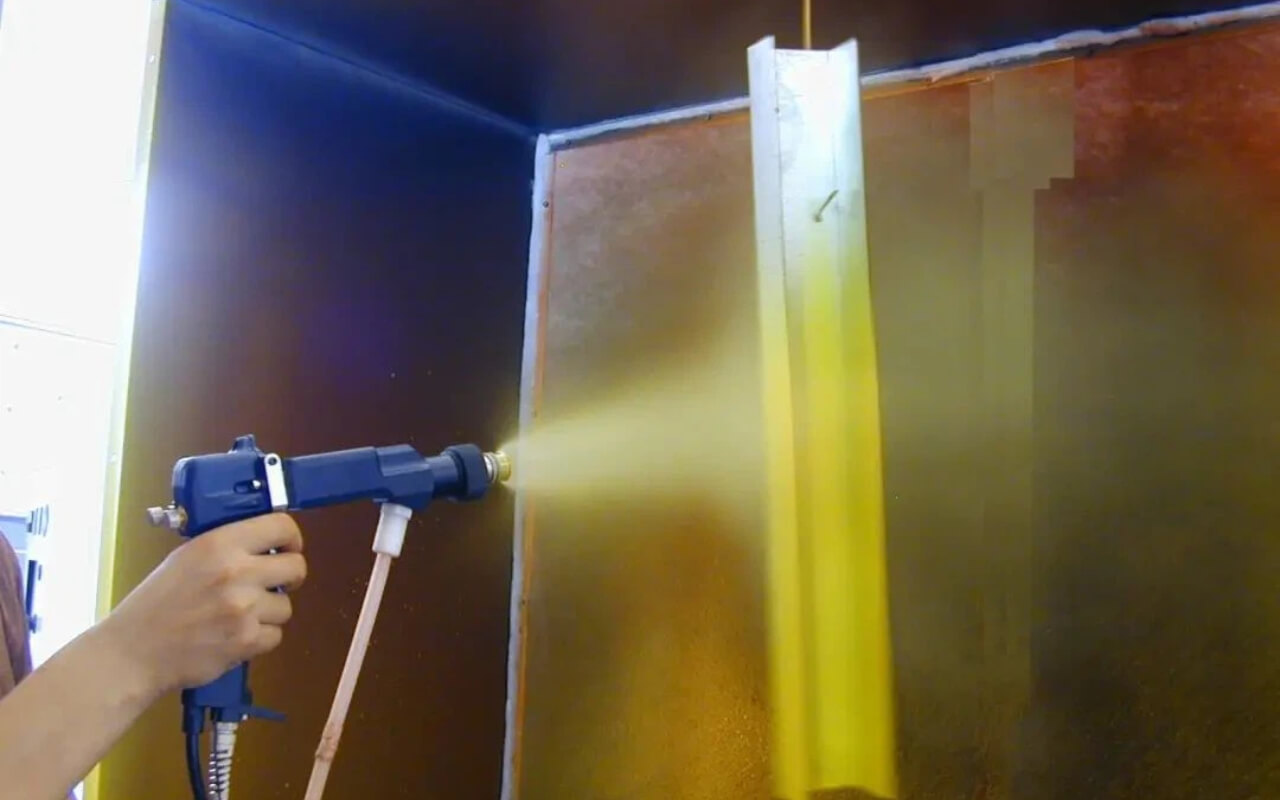
1. Manual Spray Painting (Handheld Spray Gun):
Flexible and easy to operate
Suitable for products of various shapes, sizes, and environments
Simple equipment with low energy consumption
Low production efficiency and unstable coating quality
High labor intensity and exposure to paint mist
2. Air Spray Painting:
High productivity and stable coating quality
Produces large amounts of paint mist, causing air pollution
High paint consumption
Moisture and impurities in compressed air may affect coating quality
3. High-Pressure Airless Spray Painting:
High efficiency and strong paint film adhesion
Less paint mist and lower air pollution
Improved working conditions
No water or oil contamination in the paint flow, resulting in excellent protective performance
Disadvantages include complex equipment, less uniform coating, and inferior decorative appearance compared to air spray painting
V. Other Key Differences
Liquid paint offers better leveling performance due to the presence of solvents and additives, which are absent in powder coating.
Liquid paint allows for localized repair, while powder coating does not.
Powder coating requires high-temperature curing, resulting in stronger adhesion but imposing size limitations on products. In contrast, liquid painting has no such size constraints and is suitable for large-area applications.